Owner’s manual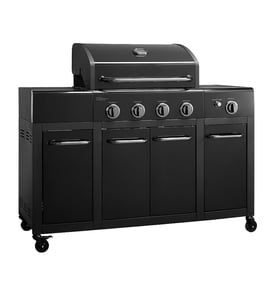


How to tell if a regulator is bad on a gas grill?
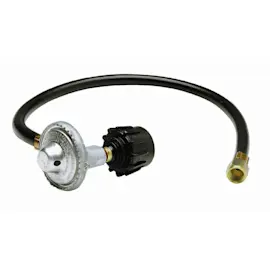
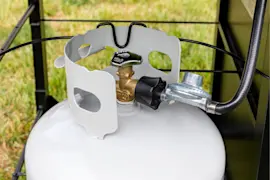
On the Kenmore 41516113 LP gas grill, a bad regulator shows up as unsafe gas flow or unstable burner performance. Key signs include a rushing sound at the tank connection, persistent low heat, regulator frosting, or repeated flame problems even after you confirm a tight connection and perform a leak test in the 41516113 owner's manual.
Signs that point to a regulator or tank problem
- Rushing sound when you open the LP tank valve; shut the gas off immediately and correct the connection before using the grill.
- Bubbles during a soapy-water leak test at the regulator, hose, or tank valve connection.
- Sudden drop to very low flame across burners (often after opening the tank valve too fast).
- Regulator frosting or icing; shut the grill and tank valve off immediately and return the tank to the supplier.
- Grease or hot drippings landing on the valve, hose, or regulator; shut off gas, clean, inspect, then leak test before using.
- Flames that will not stay consistent from HIGH to LOW after the grill is warmed up.
Quick checks we recommend (safe, practical steps)
- Turn all control knobs to OFF.
- Confirm the regulator coupling nut is straight and hand-tightened fully (do not use tools).
- Open the LP tank valve slowly; if you hear rushing, close it right away and re-seat the connection.
- Perform a soapy-water leak test on the valve, hose, and regulator connections.
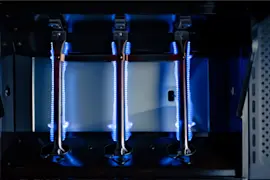
- Light the grill and do a burner flame check (HIGH to LOW). If flame stays weak, address fuel supply and regulator issues.
What the symptoms usually mean
| Symptom | Most common cause | What to do next |
|---|---|---|
| Rushing sound at tank | Major leak or misconnection | Shut off gas; reconnect regulator; leak test |
| Low flame on all burners | Regulator in bypass or restricted flow | Open tank slowly; reset by shutting off, waiting, then relighting |
| Frosting on regulator | Tank problem (per manual guidance) | Stop using that tank; return it |
| Humming/whistling while running | Normal for many regulators | Continue using if flames are stable and no leaks |
Why it matters
The regulator controls LP gas pressure to the burners. When it is failing or the tank connection is leaking, you can get dangerous gas leaks, poor heating, and flare-ups that drip onto the hose or regulator.
Last updated: January 2026
Is it worth fixing a gas grill?
Yes, it’s usually worth fixing a Kenmore 41516113 LP gas grill when the problem is limited to common wear parts (burners, ignition, grates, grease handling) and the firebox is still solid. Repairs typically restore safe lighting, even heat, and better fuel efficiency for far less than replacement.
Quick decision checklist
- Fix it if the grill lights reliably (or can with a simple igniter repair), heats evenly, and the frame and firebox are structurally sound.
- Fix it if the issue is a maintenance item: clogged burner ports, dirty carryover tube, worn cooking grate, or missing grease cup.
- Fix it if you can complete a leak test with no bubbles and the LP tank connections tighten properly.
- Replace it if the firebox or key structural panels are severely rusted through, warped, or unstable.
- Stop and address safety first if you ever smell gas or suspect a leak.
Safety first (before you spend money)
The Kenmore 41516113 manual emphasizes leak testing and safe clearances. Use the steps and diagrams in the 41516113 owner’s manual before troubleshooting or ordering parts.
Key safety points to follow:
- Leak-test connections before use; if bubbles grow, close the LP tank valve and retighten.
- Never use the grill in enclosed spaces (garage, carport, covered patio).
- Keep at least 3 ft clearance from walls and 10 ft from ignition sources.
- Never light burners with the lid closed.
Common “worth fixing” repairs for this model
These are the most typical, cost-effective fixes that improve performance fast:
| Symptom | Likely cause | What to check/replace |
|---|---|---|
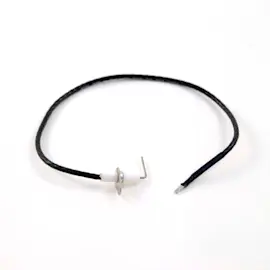
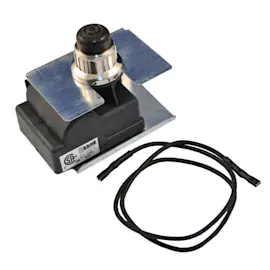
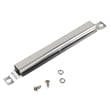
| One burner won’t light but others do | Ignition or carryover issue | Clean burner ports; inspect carryover tube; consider igniter 80008196 |
| Low heat or uneven heat | Clogged burner or airflow issue | Clean burner and venturi; consider replacing the main burner |
| Grease flare-ups | Grease not draining correctly | Clean firebox and grease path; replace missing cup |
| Food sticks, rust on cooking surface | Worn grate | Replace cooking grate |
Why it matters
A well-tuned LP gas grill burns cleaner, heats more evenly, and reduces flare-ups. Fixing small issues early also helps prevent bigger problems like burner damage, grease fires, and wasted propane.
Last updated: January 2026
What is the average lifespan of a gas grill?
A Kenmore LP gas grill like model 41516113 typically lasts 5 to 15 years with normal residential use and routine maintenance; premium builds can reach around 20 years when kept clean, covered, and stored properly. Following the safety and care steps in the 41516113 owner's manual helps extend service life.
What affects grill lifespan most
- Burner and firebox condition (corrosion, clogging, heat damage)
- Grease management (overflow and flare-ups shorten component life)
- Exposure to weather (rain, salt air, and freeze cycles accelerate rust)
- Cleaning frequency (especially burners, carryover tube, and firebox)
- How it’s stored (covered, dry location, and not left with standing grease)
Maintenance checklist that adds years
- Clean cooking grates and heat surfaces after each cook.
- Keep the grease system emptied and wiped down; replace a damaged grease cup.
- Inspect burner flames regularly and clear blocked ports.
- Perform LP gas leak checks after tank changes and before the season.
- Keep the grill at safe clearances and avoid overheating from repeated flare-ups.
Typical lifespan by component (general guidance)
| Component | Common replacement driver | Typical timing |
|---|---|---|
| Burners and carryover tube | Rust, clogged ports, uneven flame | 2 to 7 years |
| Ignition parts | Wear, corrosion, weak spark | 2 to 6 years |
| Cooking grates | Rust, coating wear, warping | 3 to 8 years |
| Firebox | Corrosion and heat fatigue | 5 to 15 years |
Why it matters
Most “grill lifespan” comes down to whether key wear parts are maintained and replaced before they cause flare-ups, uneven heating, or unsafe operation. Good cleaning habits and proper LP gas handling protect both performance and safety.
Last updated: January 2026