Owner’s manual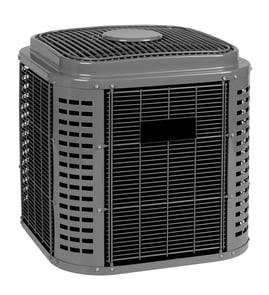



What are the most common issues with N4A348GKB300?
For the Icp N4A348GKB300 split system central air conditioner, the most common problems are outdoor unit not starting, weak cooling, and loud outdoor fan operation. These issues usually trace to airflow restrictions, electrical control failures, or a failing condenser fan motor; the N4A348GKB300 owner's manual helps confirm normal operation and service checks.
Most common symptoms and likely causes
- Outdoor unit will not run: thermostat not calling, disconnect off, tripped breaker, failed contactor
- Outdoor fan runs but little or no cooling: dirty condenser coil, blocked grille, low refrigerant charge (sealed system), indoor airflow problem
- Buzzing or chattering at the outdoor unit: worn contactor contacts, loose wiring, failing motor
- Rattling or vibration: bent or loose fan grille, debris in the fan area
- Fan not spinning or starts slowly: failing condenser fan motor, weak capacitor (if equipped)
Parts that commonly fail on this model
These are frequent repair items for outdoor-unit no-start and noise complaints:
| Symptom | Part to check | What it does |
|---|---|---|
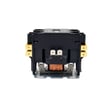
| Outdoor unit won’t start | Central air conditioner contactor 1172472 | Switches high voltage to the compressor and fan when the thermostat calls |
| Loud fan, overheating, fan won’t run | Central air conditioner condenser fan motor 1185924 | Moves air through the condenser coil to reject heat |
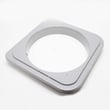
| Rattling or damaged top guard | Central air conditioner condenser fan grille 1178644 | Protects the fan and supports airflow path |
Quick checks we recommend first (power off at disconnect)
- Clear leaves and debris from the outdoor cabinet; keep 24 inches of clearance around it
- Inspect the fan area for rubbing, wobble, or broken grille sections
- Check for burnt wiring at the contactor and tightness of electrical connections
- Replace a clogged indoor air filter and open supply and return vents
- If the outdoor unit hums but won’t start, stop and schedule service; repeated starts can damage components
Why it matters
A central air conditioner that runs with poor airflow or failing electrical controls can overheat, trip breakers, and shorten compressor life. Catching a weak fan motor or pitted contactor early prevents bigger, more expensive failures.
Last updated: March 2026
What is the average lifespan of N4A348GKB300?
The average lifespan of the Icp N4A348GKB300 split system central air conditioner is 15 years. Keeping airflow clear, coils clean, and electrical components in good shape helps the system reach that service life with fewer breakdowns.
What affects lifespan most
- Outdoor condenser coil cleanliness and unrestricted airflow
- Correct refrigerant charge and no leaks
- Electrical wear items (contactor, capacitor, wiring connections)
- Condenser fan motor condition and proper blade/grille clearance
- Regular filter changes for the indoor air handler or furnace
Typical lifespan by component
| Component | Typical service life | What failure looks like |
|---|---|---|
| Condenser fan motor | 10 to 15 years | Fan won’t start, overheats, trips breaker |
| Contactor | 5 to 10 years | Outdoor unit won’t run, chattering/buzzing |
| Coil (condenser/evaporator) | 10 to 20 years | Poor cooling, icing, refrigerant leak symptoms |
| Compressor | 12 to 20 years | Hard starting, loud humming, no cooling |
Maintenance that helps you get the full 15 years
- Shut off power and gently rinse debris from the outdoor coil (from inside out if accessible).
- Keep at least 2 feet of clearance around the outdoor unit.
- Have electrical connections inspected and tightened during seasonal service.
- Replace worn electrical parts promptly; for example, a failing central air conditioner contactor 1172472 can prevent the condenser from starting.
- If the fan is noisy or slow, address it early; the central air conditioner condenser fan motor 1185924 is a common wear item.
Why it matters
Once a central air conditioner reaches its typical service life, small issues like weak airflow, dirty coils, or a pitted contactor can cascade into expensive compressor stress. Preventive maintenance usually costs far less than major component replacement.
For model-specific maintenance intervals and safety steps, follow the N4A348GKB300 owner's manual.
Last updated: March 2026
What size central AC do I need for a 1000 sq ft house?
For a 1,000 sq ft home, most central air systems are sized around 1.5 to 2.5 tons (about 18,000 to 30,000 BTU/hr), depending on insulation, sun exposure, ceiling height, and your climate. For your Icp N4A348GKB300 split system air conditioner, confirm your exact capacity and match it to your home’s load using the owner's manual.
Quick sizing rule of thumb (and when it changes)
A common starting point is about 18 to 30 BTU per sq ft for many U.S. homes.
- Tighter, well-insulated homes: closer to 18 to 22 BTU/sq ft
- Older or leakier homes: closer to 24 to 30 BTU/sq ft
- High ceilings (over ~8 ft): size up because you are cooling more air volume
- Lots of west-facing windows or shade-free roof: size up
- Mild coastal climates: size down
Rule-of-thumb table for 1,000 sq ft
| Home condition | Approx. BTU/hr | Approx. tons |
|---|---|---|
| Efficient/tight | 18,000 to 22,000 | 1.5 to 2.0 |
| Average | 22,000 to 26,000 | 2.0 to 2.5 |
| Hot climate or less efficient | 26,000 to 30,000 | 2.5 |
How to choose the right size (what we recommend)
Sizing a split system is about comfort and compressor protection, not just square footage.
- Use a Manual J load calculation (best practice) before replacing equipment
- Confirm the outdoor unit tonnage and the indoor coil/air handler match
- Make sure airflow and filtration are correct; dirty filters are a top cause of poor cooling
- Keep the outdoor coil and fins clear of debris so the system can reject heat properly
- Verify electrical health if the unit struggles to start; a failing contactor can mimic “undersized” symptoms
If you are repairing the outdoor unit while you size or plan a replacement, common model-related parts we stock include the central air conditioner contactor 1172472 and central air conditioner condenser fan motor 1185924. You can order replacement parts from the parts list for model N4A348GKB300, or search by model on Sears PartsDirect.
Why it matters
An oversized central AC can short-cycle (less dehumidification and more wear), while an undersized unit can run constantly and still not hold temperature. Proper sizing helps your Icp system cool evenly, control humidity, and avoid unnecessary compressor stress.
Last updated: February 2026