



Can you still get parts for Briggs & Stratton engines?
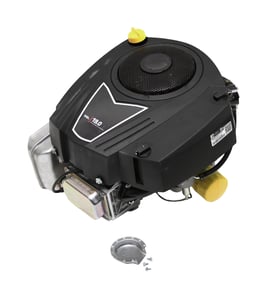
Yes. We still offer replacement parts for Briggs engines, including model 13A137-0004-F1, so you can keep your lawn and garden engine running without replacing the whole unit. The key is matching the exact engine model and then selecting the correct OEM part by diagram and part ID.
How to find the right part for 13A137-0004-F1
Use your engine’s model number (13A137-0004-F1) and then confirm the part by name and part ID before ordering.
- Match the model number exactly (including dashes and suffix)
- Identify the system you’re repairing (fuel, ignition, starting, internal engine)
- Compare the part name to your symptom (no-start, surging, oil leak, low power)
- Verify mounting style and linkage orientation before installing
- Replace gaskets and worn fasteners when you open the engine
Common parts we stock for this engine
These are examples of parts available for 13A137-0004-F1 that often come up during repairs:
| Repair need | Example part on this model | What it affects |
|---|---|---|
| Fuel delivery issues | Briggs & statton snowblower carburetor 595785 | Hard starting, surging, stalling |
| Ignition service tool | Briggs & statton spark wrench 590721 | Spark plug removal and installation |
| Governor control | Briggs & statton governor crank 590668 | Engine speed control and hunting |
| Internal wear repair | Briggs & stratton crankshaft 594936 | Low compression, noise, seizure |
Why it matters
Small engine parts are highly model-specific. Ordering by the exact model number and then confirming the correct part ID prevents fit issues and repeat repairs, especially with carburetor, governor, and crankshaft components.
Last updated: February 2026
How do I tell which Briggs and Stratton engine I have?
To identify which Briggs engine you have, locate the engine identification numbers stamped or etched on the engine and record the Model, Type, and Code. For your Briggs 13A137-0004-F1 lawn and garden engine, those numbers are what we use to match the correct parts and diagrams.
Where to find the Model, Type, and Code numbers
On most Briggs lawn and garden engines, the ID is stamped into metal or shown on a metal tag. Common locations include:
- Blower housing (recoil starter shroud)
- Valve cover
- Near the spark plug area
- Near the muffler or heat shield
- Near the starter motor or rewind starter
If the area is dirty or oily, wipe it down and use a flashlight; the stamping can be faint.
What the numbers mean (and why you need all three)
Briggs uses three identifiers because the same basic engine model can be built in multiple configurations.
| Identifier | What it tells us | Why it matters for parts |
|---|---|---|
| Model | Engine family and basic design | Narrows to the correct engine platform |
| Type | Specific build configuration | Matches carburetor, governor, linkage, and ignition variations |
| Code | Production date code | Helps confirm the correct revision/version |
Quick parts-check once you have the ID
After you confirm the Model, Type, and Code, compare your engine’s components to the parts list for 13A137-0004-F1. These are common “match points” when ordering:
- Fuel system style (carburetor and choke linkage)
- Governor linkage and springs
- Starter type (electric starter motor vs. rewind)
- Ignition style (magneto/armature)
- Gasket and fastener patterns on covers and housings
For example, if you are working on throttle or governor behavior, the Briggs & statton governor crank 590668 is one of the linkage-related parts that must match your exact configuration.
Why it matters
Using the correct Briggs engine identification prevents ordering the wrong carburetor, starter, or internal engine parts. It also speeds up troubleshooting because you can follow the correct exploded-view diagrams for your exact build.
Last updated: February 2026
What are common Briggs & Stratton problems?
Common problems on the Briggs 13A137-0004-F1 lawn and garden engine include hard starting or no-start, surging or rough running, stalling under load, and overheating. In most cases, the root cause is fuel quality, carburetor restriction, ignition wear, or airflow and oil maintenance issues.
Most common symptoms and what usually causes them
- Won’t start / hard to start: stale fuel, dirty carburetor jets, weak spark, stuck choke linkage
- Surging at idle: partially clogged main jet or air leak at the carburetor
- Runs rough / lacks power: restricted fuel flow, dirty cooling fins, low compression, governor linkage out of adjustment
- Stalls when you engage load: fuel starvation, carburetor restriction, ignition breakdown when hot
- Overheats: blocked blower housing, debris around cylinder fins, low or dirty oil
Quick checks we recommend first (fast, high-impact)
- Drain old fuel and refill with fresh fuel (use stabilizer if it will sit).
- Inspect the air intake path and remove grass and debris from the cooling areas.
- Check ignition and starting components; a weak spark or dragging starter can mimic fuel problems.
- If it surges or won’t stay running, focus on carburetor and jet cleanliness.
Parts that commonly relate to these issues
If troubleshooting points to a specific system, these model-related parts are often involved:
| Symptom | Likely system | Example part on this model page |
|---|---|---|
| Surging, won’t idle | Carburetion | Briggs & statton main jet 591861 |
| Hard starting, choke won’t hold | Choke linkage | Briggs & statton choke shaft 591542 |
| No crank / slow crank | Starting system | Briggs & statton starter motor 591157 |
| No spark / intermittent spark | Ignition | Briggs & stratton armature-magneto 590603 |
Why it matters
Small engine problems usually cascade: a slightly restricted carburetor can cause lean running, which raises engine temperature and reduces power. Fixing the fuel, airflow, and ignition basics first prevents repeat failures and helps the engine run at the correct governed speed.
Last updated: February 2026