 Owner’s manual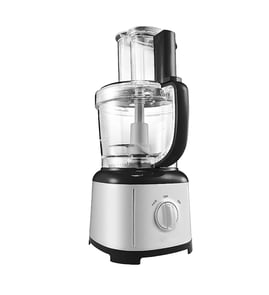




What not to put in a food processor?
For the KitchenAid KFP1333WH0 13-cup food processor, avoid items that can overheat the motor, crack the bowl, or dull the cutting edges, such as very hot liquids, hard bones, and rock-hard frozen foods. For model-specific use limits and capacities, follow the KFP1333WH0 owner's manual.
Items to avoid (and what to use instead)
- Hot liquids or hot soups: heat and steam can force leaks and create a burn hazard; let foods cool first.
- Bones, pits, and very hard shells: these can chip or dull the blade and stress the drive system.
- Rock-hard frozen foods (solid blocks of meat, fruit, or ice): thaw slightly first; use a blender for ice.
- Excessive liquid (smoothies, thin batters): a food processor is not a blender; use a blender for high-liquid recipes.
- Very tough grinding jobs (large amounts of whole spices, hard coffee beans): use a spice grinder.
- Overfilled bowl: overloading reduces chopping quality and can strain the motor.
Quick “safe vs. not safe” guide
| Food/task | Food processor result | Better tool/action |
|---|---|---|
| Warm soup | Leaks, splashing | Cool first, then process in small batches |
| Ice cubes | Blade damage risk | Blender designed for ice |
| Chicken bones | Chipped/dulled blade | Knife, cleaver, or discard bones |
| Small amounts of nuts | Usually OK in pulses | Pulse, scrape bowl, avoid overprocessing |
Why it matters
Avoiding these items helps protect key components like the food processor bowl, lid seal, and cutting tools. For example, a damaged or dulled blade can reduce performance and increase motor strain; if you need a replacement, match the correct part for this model such as the food processor multi-purpose blade WPW10451463.
Tips to prevent damage and get better results
- Cut food into even, smaller pieces before processing.
- Use short pulses for hard foods to reduce heat buildup.
- Stop and scrape the bowl to keep chopping consistent.
- If the unit struggles, reduce batch size rather than forcing it.
Last updated: January 2026
How long do food processors last?
A KitchenAid 13-cup food processor like model KFP1333WH0 typically lasts 7 to 10 years with normal home use. With consistent cleaning, correct assembly, and avoiding overloads, many units run 10 to 20+ years; heavy use and hard ingredients shorten lifespan.
Typical lifespan by use
- Light use (a few times per month): 10 to 20+ years
- Regular home use (weekly): 7 to 10 years
- Heavy use (daily, dense doughs, frequent shredding): 5 to 8 years
What usually wears out first
Most “end of life” symptoms come from a few common wear items rather than the motor itself:
- Cracked or leaking bowl or lid seal
- Dull or nicked blades and discs
- Worn adapters that cause wobble or poor engagement
- Switch issues (won’t start, intermittent operation)
- Excess vibration from worn feet or mis-seated bowl
Quick checks to extend life
Use these habits to reduce strain on the motor and drive system:
- Lock the bowl and lid fully before starting; follow the assembly steps in the KFP1333WH0 owner’s manual
- Cut food into smaller pieces; avoid forcing food through the feed tube
- Run in short bursts for dense foods; let the motor rest between batches
- Hand-wash and dry parts thoroughly; keep the base dry
- Replace worn accessories instead of “making it work” (wobble and slipping accelerate wear)
Parts that can restore performance
| Symptom | Common fix | Example part for KFP1333WH0 |
|---|---|---|
| Chopping is slow or uneven | Replace the main blade | Food processor multi-purpose blade WPW10451463 |
| Leaks around lid | Replace the lid seal | Food Processor Bowl Lid Seal W10480168 |
| Bowl is cracked or won’t lock | Replace the bowl | Food Processor Bowl WPW10451467 |
Why it matters
A food processor that is overloaded or run with worn accessories draws more current and runs hotter. Keeping the bowl, blade, and seals in good shape helps protect the motor and keeps results consistent.
Last updated: January 2026
What is the best food processor on the market?
The “best” food processor is the one that matches your batch size and the jobs you do most (chopping, slicing, shredding, dough). If you already own the KitchenAid KFP1333WH0 13-cup food processor, you can keep it performing at a top level by using the correct setup and replacing worn accessories; start with the KFP1333WH0 owner's manual.
How we recommend choosing the best model
- Capacity: 12 to 14 cups for family meal prep; smaller bowls for sauces and small batches.
- Feed tube: a wider tube reduces pre-cutting and speeds slicing.
- Attachments: multipurpose blade plus slicing and shredding discs cover most tasks.
- Stability and fit: a tight bowl, lid, and adapter fit reduces wobble and uneven cuts.
- Cleaning: dishwasher-safe parts and fewer crevices save time.
Quick comparison: what “best” means for common tasks
| Best for | What to prioritize | What you get |
|---|---|---|
| Everyday chopping and purees | Sharp multipurpose blade, stable bowl | Cleaner cuts, consistent texture |
| Slicing and shredding | Rigid discs, secure adapter/shaft fit | Even slices, less vibration |
| Heavy loads (dense foods) | Strong drive system, secure lid lock | Smoother processing, fewer stalls |
| Small-batch prep | Smaller work bowl/insert (if available) | Better circulation for small amounts |
If your KFP1333WH0 results are disappointing, fix performance first
These parts most often change results from “okay” to “excellent”:
- Replace a dull or nicked blade: food processor multi-purpose blade WPW10451463.
- Fix leaks or poor seating from a warped bowl: food processor bowl WPW10451467.
- Stop drips and improve lid fit: food processor bowl lid seal W10480168.
- If discs wobble or do not seat firmly, inspect the correct adapter for your disc setup (this model uses multiple adapters).
Why it matters
Food processors are judged by real-world results: clean cuts, even slices, and reliable operation. On a KitchenAid KFP1333WH0, sharp blades and a tight bowl and lid fit make a bigger difference than chasing a “best overall” label.
Last updated: January 2026