Installation guide
 Owner’s manual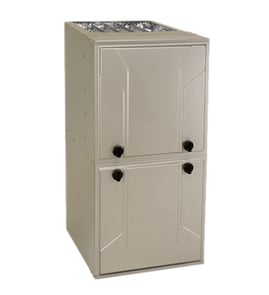



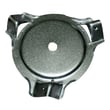
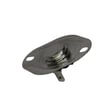
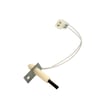

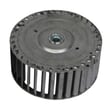
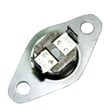
What are the parts of the furnace?
For your Carrier 58CVA090---12116 furnace, the main parts include the burners and igniter that start combustion, the heat exchanger that transfers heat to the air, the blower that moves air through ductwork, and safety and control components that manage ignition and temperature. For component locations and service notes, use the installation guide.
Main furnace components and what they do
- Burners: mix gas and air to create a stable flame.
- Ignition system: lights the burners (often a hot surface igniter).
- Heat exchanger: transfers heat to the circulating air.
- Blower assembly: pushes heated air through the supply ducts.
- Gas valve: opens and regulates gas flow to the burners.
- Limit switches: shut the burners down if the furnace overheats.
- Control board (PCB control): coordinates ignition sequence, blower timing, and safety checks.
Model-specific parts we commonly see on this furnace
These are examples of parts listed for the Carrier 58CVA090---12116 that match the functions above:
| Function | Example part on this model | What you might notice when it fails |
|---|---|---|
| Gas flow control | Gas valve EF33CW180 | No heat, burners never light, intermittent ignition issues |
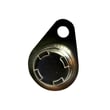
| Overheat protection | Furnace temperature limit switch HH18HA495 | Furnace starts then shuts off, short cycling, blower runs with no heat |
| Ignition | Icp furnace burner igniter LH33ZG001 | Clicks or tries to light but no flame, repeated ignition attempts |
| Heat transfer | Furnace heat exchanger (part number 326600-751) | Poor heat, unusual odors, frequent limit trips (service required) |
Why it matters (safety and performance)
Furnace parts work as a system; if airflow is restricted or wiring is disturbed, the furnace can shut down for safety. The installation instructions also call out key service precautions such as shutting off power (there may be more than one electrical supply), labeling wires before disconnecting controls, and handling sharp sheet metal carefully.
Quick checks that help you identify the area of the problem
- Replace or clean the air filter regularly; airflow problems can trigger limit switches.
- If the blower runs but there is no heat, focus on ignition and gas delivery (igniter, gas valve, controls).
- If the furnace heats briefly then shuts off, check for overheating causes (dirty filter, blocked vents) and limit switch operation.
- If you are servicing controls, label wires before disconnecting to prevent miswiring.
Last updated: February 2026
What is the most common part to fail on a furnace?
Restricted airflow is the most common reason a Carrier 58CVA090---12116 furnace stops heating; a dirty air filter or blocked return air overheats the furnace and trips the main limit safety switch, shutting the burners off. Ignition and flame-sensing issues are also frequent causes. See the installation guide for safety-control and airflow checks.
Most common failures (in order)
- Airflow restriction: clogged filter, closed registers, blocked return grille, dirty blower wheel
- Limit switch trip: furnace overheats and shuts down to protect the heat exchanger
- Flame sensing/ignition problems: dirty flame sensor, failing igniter, poor grounding
- Pressure switch or venting issues: blocked intake/exhaust, condensate problems (on high-efficiency systems)
- Control or power issues: loose wiring, door switch not closed, breaker/fuse problems
What to check first (fast, safe checks)
- Replace the air filter and confirm return-air grilles are open and unobstructed.
- Make sure supply registers are open and not covered by rugs or furniture.
- Verify the furnace door is fully seated (door switch must close).
- If the furnace starts then shuts off, suspect overheating and a limit trip.
- If the blower runs but there is no heat, focus on ignition/flame sensing and safety switches.
Common symptoms and likely causes
| Symptom | Most likely cause | What it points to |
|---|---|---|
| Runs 2 to 5 minutes, then shuts off | Restricted airflow | Limit switch trip (overheat) |
| Blower runs, burners never light | Ignition/safety chain open | Igniter, pressure switch, control |
| Burners light, then go out quickly | Flame not proven | Flame sensor/grounding |
| No response at all | Power/door switch | Line power, door switch, control |
Parts that often get replaced on this model
If testing confirms a failed safety control or ignition component, these are common replacements for this furnace:
Why it matters
Airflow-related overheating does more than stop heat; repeated limit trips increase wear on the blower system and can shorten heat exchanger life. Keeping airflow correct is the simplest way to prevent nuisance shutdowns and protect key components.
Last updated: February 2026
What is the most expensive part to replace in a furnace?
In most furnaces, the heat exchanger is the most expensive part to replace because it is central to safe heat transfer and the job is labor-intensive. For the Carrier 58CVA090---12116, a heat exchanger replacement is typically the top-cost repair compared with parts like a gas valve or control board.
Typical high-cost furnace parts (and why)
- Heat exchanger: Highest part cost and significant labor; it is the sealed component that separates combustion gases from household air.
- Control board: Expensive electronics; failures can stop ignition, blower operation, or safety monitoring.
- Gas valve: Critical fuel-control component; replacement often includes setup and safety checks.
- Blower components: Can be costly when the blower wheel or motor-related controls are involved.
Model-specific examples for Carrier 58CVA090---12116
These are examples of higher-priced parts we commonly see on this model’s parts list:
| Component | Example part on this model | Why it can be costly |
|---|---|---|
| Heat exchanger | Furnace heat exchanger 326600-751 | High part cost; major disassembly and reassembly |
| Control board | Pcb c0ntrl HK42FZ064 | Complex diagnostics; multiple connections and setup |
| Gas valve | Gas valve EF33CW180 | Safety-critical; requires careful installation and testing |
Why it matters
A furnace repair decision is usually about more than the part price. The heat exchanger affects safe operation, and the installation guide notes that heat exchanger cleaning and related work should be performed by a qualified service agency. Use the installation guide to follow the correct service and safety practices for this Carrier furnace.
Before you replace an expensive part
- Confirm the symptom (no heat, short cycling, blower runs but no ignition, etc.).
- Check the air filter and airflow first; restricted airflow can trigger limit switches.
- Review any status codes and the service label procedures.
- Inspect wiring connections for looseness or damage.
- If diagnostics point to a control issue, follow the step-by-step voltage checks in the guide.
Last updated: February 2026