




What is the life expectancy of a food processor?
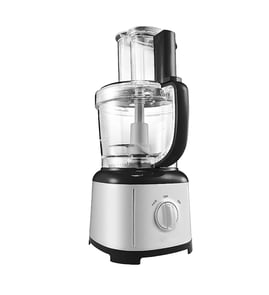
Most food processors, including the KitchenAid KFP0722CU0, last 7 to 10 years with normal home use. With good care and avoiding overloads, it’s common to get longer life; heavy daily use typically shortens lifespan by wearing the motor and seals faster.
Typical lifespan by usage
- Light use (1 to 2 times/week): 10+ years
- Normal use (several times/week): 7 to 10 years
- Heavy use (daily, large batches): 5 to 8 years
- Abusive use (overfilling, hard foods nonstop): early failures are common
| Usage pattern | What usually wears first | What you can do |
|---|---|---|
| Light to normal | Bowl and lid fit, switches, discs | Keep parts clean and dry; store assembled loosely |
| Heavy | Motor, seals, drive coupler area | Run in short bursts; let motor cool between batches |
| Frequent wet/acidic foods | Seals, bowl cover | Rinse promptly; dry before storage |
Signs your food processor is nearing end of life
- Motor struggles, slows, or smells hot during normal chopping
- Unit stops unless you press down on the lid (interlock wear or lid fit issue)
- Leaks around the bowl or drive area (seal wear)
- Excessive vibration or rattling with the same disc/blade
If you’re seeing lid fit or interlock issues, replacing the bowl cover W10674952 often restores safe, consistent operation. If you have leaking, the seal W10480166 is the first part we replace.
How to extend the life of a KitchenAid food processor
- Cut dense foods (carrots, cheese) into smaller chunks before processing
- Use pulse for tough jobs; avoid running continuously for long periods
- Never exceed the fill line; overfilling strains the motor
- Hand-wash and fully dry the bowl, cover, and discs before storage
- Stop immediately if you hear grinding; check for mis-seated discs
Why it matters
A food processor usually fails from heat and strain on the motor or from wear at sealing and locking surfaces. Replacing wear items early can prevent bigger failures and keep your KFP0722CU0 running smoothly.
Last updated: February 2026
Is a 7 cup food processor big enough for pie crust?
A 7-cup KitchenAid food processor like model KFP0722CU0 can make pie crust, but it is on the small side for consistently easy mixing, especially for double-crust recipes. For best results, work in smaller batches and avoid overprocessing the dough.
What “big enough” means for pie crust
Capacity matters because pie dough needs room for the flour and butter to tumble and cut in evenly.
- Single-crust (9-inch) dough usually fits best in a 7-cup bowl.
- Double-crust dough often crowds the bowl; it mixes unevenly and can clump.
- Cold butter pieces need space to break down without turning the dough pasty.
- Overfilling increases the chance of flour pockets and uneven hydration.
Best approach for a 7-cup bowl
Use these steps to get a flaky crust without stressing the bowl or motor.
- Chill the bowl and blade/disc if possible; keep butter very cold.
- Pulse in short bursts; stop while you still see pea-size butter pieces.
- Add ice water slowly; stop as soon as the dough starts to clump.
- For double crust, mix half the recipe, dump it out, then repeat.
- If the lid does not lock easily, reduce the load and check the fit of the cover.
Quick batch-size guide
| Recipe size | 7-cup processor result | Recommendation |
|---|---|---|
| Single crust | Good | Make in one batch |
| Double crust | Tight | Split into two batches |
| Large slab pie | Too tight | Use multiple batches |
When a part issue makes pie dough harder
If the lid fit is loose or the bowl is worn, the machine may not run reliably under load.
- If the cover will not seat or lock, check the bowl cover W10674952.
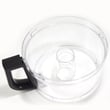
- If the bowl is cracked, cloudy, or the handle area is stressed, consider the food processor bowl WPW10467656.
Why it matters
Pie crust is sensitive to heat and overmixing. A smaller bowl pushes ingredients up the sides and encourages longer run times, which warms the butter and makes the crust tougher.
Last updated: February 2026
Which food processor is best value for money?
For best value, we pick the food processor that matches your real workload: a mid-size unit for everyday chopping and shredding, or a larger-capacity unit if you batch-prep often. If you already own a KitchenAid KFP0722CU0, restoring performance with the right replacement parts is usually the best value.
How we define “best value”
Value is the balance of price, performance, and how long it stays useful in your kitchen. We focus on:
- Capacity: enough bowl volume for your typical recipes
- Power and consistency: handles firm foods without stalling
- Everyday versatility: slicing, shredding, chopping, mixing
- Ease of cleaning: fewer crevices, dishwasher-safe pieces when applicable
- Parts availability: you can keep it running instead of replacing the whole unit
Best-value picks by shopper type
| If you mostly… | Best value choice | Why it’s the best value |
|---|---|---|
| Chop veggies, make salsa, shred cheese occasionally | Mid-size food processor | Lower cost, still covers most tasks |
| Meal prep weekly, shred/slice in bulk | Larger-capacity food processor | Faster prep, fewer batches |
| Already own a KitchenAid KFP0722CU0 | Repair and maintain your current unit | Lowest total cost when the motor base is still good |
If you already have a KitchenAid KFP0722CU0
Before buying a new food processor, we recommend checking the common wear items that affect performance and safety interlocks:
- Cracked or leaking bowl: replace the food processor bowl WPW10467656
- Lid not locking or safety switch not engaging: inspect the bowl cover W10674952
- Poor sealing or leaks around the bowl area: replace the seal W10480166
- Weak shredding results or damaged disc: replace the shredder disc WPW10466841
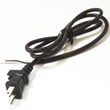
- Unit will not power on or cuts out: check the cord and connections; replace the power cord W10451329 if damaged
Why it matters
A “cheap” food processor becomes expensive if it struggles with your typical foods or can’t be maintained. Choosing the right capacity and keeping key parts (bowl, cover, seal, discs, power cord) in good shape delivers the best long-term value.
Last updated: February 2026
What should you not put in a food processor?
For your KitchenAid food processor model KFP0722CU0, avoid processing very hard, very hot, or overly dense items that can chip discs, crack the bowl/cover, or overload the motor. When in doubt, cut food smaller, work in batches, and use short pulses to reduce strain on the drive system.
Foods and materials to avoid
- Hard items: bones, fruit pits, very hard candy, large chunks of ice
- Hot liquids or steaming foods: heat and pressure can force leaks and warp plastic parts
- Very dense doughs: heavy bread dough can stall the blade and overheat the motor
- Tough, sinewy meats: can wrap around the blade shaft and bog down the unit
- Untrimmed, thick skins: squash rind, thick citrus peel, or very fibrous peels (trim first)
- Overly dry loads: large amounts of dry ingredients without enough moisture can clump and stall
Common “don’t do this” mistakes (and what to do instead)
| What you want to do | Better approach | What it protects |
|---|---|---|
| Crush ice into snow | Use small cubes, pulse in short bursts | Motor W10674951, discs |
| Process hot soup | Cool first, then process in batches | Food processor bowl WPW10467656, bowl cover W10674952 |
| Knead heavy dough | Mix by hand or use a stand mixer for dense dough | Motor W10674951 |
| Shred very hard foods | Pre-cut into smaller pieces, shred in small loads | Shredder disc WPW10466841 |
Quick tips to prevent damage
- Keep loads below the max fill line; leave headspace for circulation.
- Cut firm foods into 1 to 2 inch pieces before processing.
- Use pulse for hard foods; stop if you smell overheating.
- Make sure the bowl and cover are fully seated and locked before starting.
- If the unit stalls, unplug it, remove food, and restart with a smaller batch.
Why it matters
Hard or hot items and overfilling create sudden torque and heat that can crack the bowl/cover, dull or warp discs, and shorten motor life. Using smaller batches and pulsing helps your KFP0722CU0 run smoother and last longer.
Last updated: February 2026