Error Codes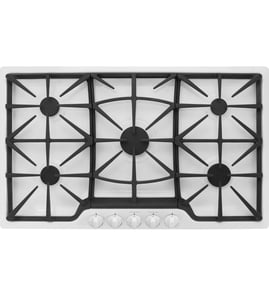





What size gas line for Viking Range?
For the Viking VGRT60 range gas cooktop, we use a standard residential 1/2-inch inside-diameter (ID) gas service line for the supply connection. Correct sizing helps maintain steady burner flame and proper ignition performance.
Recommended gas line size and what it means
Most residential installations for this Viking cooktop use:
- Supply line: 1/2-inch ID gas service line
- Fuel type: natural gas or LP/propane (LP requires proper conversion)
- Goal: adequate gas volume so burners do not starve when multiple burners are on
If your home has a larger trunk line (common in some installs), the final branch to the cooktop is still typically 1/2-inch ID.
Quick sizing checklist before you install
- Confirm whether your home is set up for natural gas or LP/propane.
- Verify the shutoff valve is accessible and rated for gas service.
- Check that the connector and fittings match the cooktop inlet and local code requirements.
- If flames are weak or uneven, confirm the regulator and supply pressure are correct.
- If you smell gas at any time, stop and have the installation checked by a qualified technician.
Common symptoms of an undersized or restricted supply
| What you notice | What it often points to | What to check first |
|---|---|---|
| Burners light but flames are small | Low flow or pressure drop | Supply line size, shutoff valve fully open |
| Flames drop when multiple burners run | Not enough volume | Branch line sizing, restrictions in connector |
| Clicking/ignition issues with weak flame | Poor flame carryover | Burner ports clean, steady gas supply |
Parts that can affect gas supply performance
If you are troubleshooting flame strength or stability on the VGRT60, these parts are commonly involved:
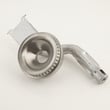
- Cooktop pressure regulator PA070003 (controls and stabilizes incoming gas pressure)
- Gas valve PB010004 (opens/closes gas flow to the burner circuit)
Why it matters
Gas line sizing is not just about “making it fit”; it is about delivering enough fuel for full BTU output. A properly sized supply helps your Viking cooktop heat evenly, ignite reliably, and maintain consistent flame when several burners are operating.
Last updated: February 2026
What is the life expectancy of a Viking oven?
A Viking oven typically lasts 15 to 20 years with normal household use and consistent care. If the oven is exposed to heavy use, poor ventilation, or skipped cleaning and service, lifespan commonly drops closer to 10 to 12 years.
Typical lifespan (what to expect)
Most premium gas cooking appliances like Viking fall into these ranges:
| Condition | Typical life expectancy | What usually ends it |
|---|---|---|
| Well maintained | 15 to 20 years | Wear on gas valves, igniters, thermostats |
| Average maintenance | 12 to 15 years | Burner issues, control wear, heat regulation problems |
| Neglected or very heavy use | 10 to 12 years | Repeated ignition failures, gas leaks, overheating damage |
What extends the life the most
These habits prevent the most common failures we see on Viking cooking products:
- Keep burner ports and caps clean so ignition and flame pattern stay stable
- Avoid boilovers into knobs and the control area; wipe spills quickly
- Use proper cookware size to reduce excess heat on trim and control surfaces
- Confirm the flame is steady and mostly blue; yellow, lifting, or noisy flames need attention
- Periodically check knob fit and valve operation so you do not force a sticking valve
Parts that commonly affect longevity
When performance drops, replacing the right part often restores safe, consistent operation:
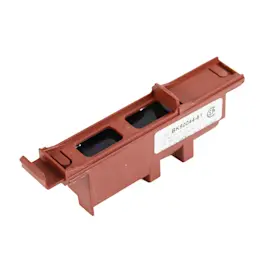
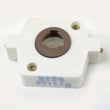
- Ignition and lighting components: a worn igniter housing can cause weak or inconsistent sparking (see Viking range lt housing PE050024)
- Gas pressure regulation: incorrect pressure can cause poor flames and overheating (see Viking range cooktop pressure regulator PA070003)
- Gas flow control: sticking or leaking valves can prevent proper burner control (see Viking range gas valve PB010004)
Why it matters
A cooktop or range can keep “working” while operating inefficiently. Stable ignition, correct gas pressure, and smooth valve control protect the burner system, improve cooking results, and reduce stress on high-cost components.
Last updated: February 2026
What is the difference between a gas range and a gas cooktop?
A gas range combines a cooktop and an oven in one appliance, while a gas cooktop is only the burner surface installed into a countertop. Your Viking VGRT60 is a gas cooktop, so it provides surface cooking only and relies on a separate wall oven (or other oven) for baking and roasting.
Quick comparison
| Feature | Gas cooktop (VGRT60) | Gas range |
|---|---|---|
| Oven included | No | Yes |
| Installation | Built into countertop | Freestanding or slide-in unit |
| Typical service parts | Burners, knobs, igniters, gas valve, regulator | Cooktop parts plus oven controls, bake/broil parts |
| Best for | Custom kitchens, separate oven setups | All-in-one cooking and baking |
Why the difference matters
A cooktop and a range share some gas and ignition components, but a range adds oven-specific systems (temperature control, oven thermostat, and safety components). That affects which parts you order and which troubleshooting steps apply.
What to check before ordering parts
- Confirm whether you are working on the cooktop surface or an oven.
- Match the model number on the rating label to VGRT60.
- Identify the symptom: no ignition, weak flame, uneven flame, or a loose/broken knob.
- For gas issues, verify the shutoff valve is fully open and the supply line is not kinked.
- For ignition issues, check for clicking at the burner and look for debris around the burner ports.
Common VGRT60-RELATED parts customers replace
These are cooktop-focused parts that often apply when burners will not light or controls feel worn:
Safety note for gas appliances
If you smell gas, turn off the gas supply, ventilate the area, and stop using the cooktop until the issue is corrected. Gas valve and regulator replacements are best handled by a qualified technician.
Last updated: February 2026
What are common problems with Viking ranges?
Common problems we see on Viking gas cooking products like the VGRT60 include burners that click but do not light, weak or uneven flames, knobs that slip or do not turn smoothly, and temperature control complaints (when the unit has thermostatic controls). Many issues trace back to ignition parts, gas flow regulation, or worn control components.
Most common symptoms (and what they usually point to)
- Clicking but no flame: dirty burner ports, moisture after cleaning, weak spark, or gas not reaching the burner
- Burner lights late or “pops”: misaligned burner parts, clogged ports, or inconsistent gas pressure
- Low flame or uneven flame: regulator or valve issues, blocked orifices, or airflow problems
- Knob turns but flame does not change: worn knob insert or valve stem wear
- Smell of gas when trying to light: burner not igniting promptly or a gas flow problem (shut off gas and address immediately)
Quick checks you can do safely
- Turn off power and let the cooktop cool before handling burner parts.
- Clean and dry burner caps and ports; moisture commonly causes repeated clicking.
- Confirm the knob is fitting correctly and fully engaging the valve stem; a worn knob can mimic a valve problem.
- Watch the flame pattern on high and low; it should be steady and mostly blue.
- If flames are consistently weak across burners, focus on gas supply regulation.
Parts that commonly solve these problems on VGRT60
If troubleshooting points to a failed component, these model-matched parts are commonly involved:
| Symptom | Part to check | What it does |
|---|---|---|
| No ignition or inconsistent ignition | Viking range lt housing PE050024 | Supports ignition-related hardware so the spark can occur reliably |
| Weak/uneven flames across burners | Viking range cooktop pressure regulator PA070003 | Stabilizes incoming gas pressure for consistent burner performance |
| Knob slipping or poor control feel | Viking range cooktop burner knob PA010039 | Restores proper engagement and control of the burner valve |
| Burner will not shut off or won’t adjust | Viking range gas valve PB010004 | Controls gas flow to the burner circuit |
Why it matters
Ignition and flame issues are not just annoying; they affect cooking performance and can create unsafe conditions if gas is flowing without prompt ignition. Addressing the root cause (cleaning, fitment, pressure regulation, or valve control) prevents repeat failures.
Last updated: February 2026