



What is the most expensive part to fix on a furnace?
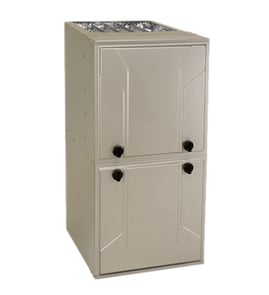
In most furnaces (including the Icp NUG5075BFA2), the most expensive repair is typically a major sealed-combustion component like the heat exchanger, because it is labor-intensive and tied to safe combustion. Among common replaceable parts, a blower assembly is often one of the priciest.
Typical “most expensive” furnace repairs
Costs vary by region and labor rates, but these are usually the top-ticket items:
- Heat exchanger: often the highest total repair cost due to extensive disassembly and setup
- Blower assembly / blower motor: high part cost plus labor (airflow and comfort depend on it)
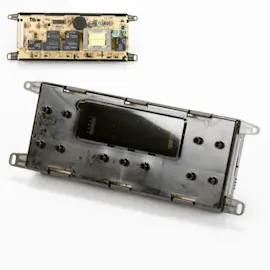
- Control board: can be expensive and requires correct wiring and setup
- Inducer/combustion blower (if equipped): affects venting and ignition sequence
- Gas valve: less common, but can be costly when it fails
What’s expensive on the NUG5075BFA2 parts list
On this model’s parts list, the biggest single part cost we commonly see is the blower assembly.
Quick comparison (parts only)
| Component type | Why it gets expensive | What you may notice |
|---|---|---|
| Heat exchanger | High labor, major teardown | Poor heat, shutdowns, unusual operation (service needed) |
| Blower assembly | Large motor and housing, higher part cost | Weak airflow, overheating trips, noisy blower |
| Control board | Electronics and model-specific compatibility | No heat cycle, intermittent operation |
Why it matters
The “most expensive” furnace fix is usually expensive because it affects combustion safety or requires major labor to access and reassemble. When a furnace is shutting down, short-cycling, or overheating, diagnosing the root cause first prevents replacing the wrong high-dollar part.
Before you replace any major part
Use these practical checks to narrow the problem:
- Replace the air filter and confirm supply/return vents are open
- Listen for where the cycle stops (inducer, ignition, burner, blower)
- Check for repeated overheating shutdowns (often airflow-related)
- Inspect wiring connections for looseness or heat damage
- If you test electrical parts, use the right meter technique: how to use a multimeter to test electrical parts video
Last updated: February 2026
What is the most common part to fail on a furnace?
The most common “failure point” on an Icp NUG5075BFA2 gas fan assisted combustion furnace is usually not a single part; it is restricted airflow from a dirty air filter, which overheats the furnace and trips safety controls. After airflow issues, the most frequently replaced items are the flame sensor, limit switch, and blower components.
What we see fail most often (and what it looks like)
- Air filter (maintenance item): furnace starts, then shuts off; high heat, weak airflow
- Flame sensor: burners light briefly, then go out and the furnace retries
- Limit switch: furnace cycles off on high temperature, then restarts after cooling
- Blower assembly or wheel: loud rumble/squeal, weak airflow, overheating trips
- Run capacitor: blower hums, starts slowly, or will not start
Quick checks before replacing parts
- Turn off power to the furnace at the switch or breaker.
- Replace the air filter and make sure supply and return vents are open.
- Confirm the thermostat is calling for heat and has good batteries (if applicable).
- If the furnace lights then shuts down, inspect and clean the flame sensor.
- If airflow is weak or noisy, inspect the blower wheel for dust buildup and wobble.
Common “symptom to part” guide for NUG5075BFA2
| Symptom | Most likely area | Part you may need |
|---|---|---|
| Lights for a few seconds, then shuts off | Flame proving | Flame sensor 1149944 |
| Runs hot, shuts down, then restarts | Overheat safety | Limit switch 1013102 |
| Weak airflow or loud blower noise | Air moving system | Furnace blower assembly 1013833 or furnace blower fan wheel 600587 |
| Blower will not start or struggles | Motor start/run circuit | Cap df .mf v 12907 |
Why it matters
Airflow problems can mimic “bad parts” because the furnace is designed to shut down safely when it overheats or cannot prove flame. Fixing the root cause (filter, vents, blower airflow) prevents repeat shutdowns and protects the heat exchanger.
Last updated: February 2026
What spare parts should I have for my furnace?
For your Icp NUG5075BFA2 gas fan assisted combustion furnace, we recommend keeping a small set of high-failure, easy-to-swap parts on hand so you can restore heat quickly. Prioritize ignition and safety parts first, then airflow parts if your system is older or noisy.
Best spare parts to keep on hand
These are the most practical “down time reducers” for this model type:
- Flame-sensing and ignition parts: a dirty or failing sensor can cause short cycling or no heat; consider a spare flame sensor 1149944.
- Safety shutoff parts: an overheating event can trip or weaken a limit; keep a spare limit switch 1013102.
- Airflow support parts: if the blower is loud, wobbly, or slow to start, spares help; consider cap df .mf v 12907 (motor run capacitor).
- Major airflow assemblies (optional): for older systems, a backup blower can reduce extended outages; consider furnace blower assembly 1013833.
- Wear items tied to noise/vibration (optional): if you have rumbling or imbalance, a spare furnace blower fan wheel 600587 can be useful.
Quick “what to stock” guide
| Priority | Part type | What it helps with | Good to stock when |
|---|---|---|---|
| 1 | Flame sensing / ignition | No heat, burners won’t stay lit | Any time you’ve had flame-sense issues |
| 1 | Limit / safety | Furnace shuts down, overheats | You’ve had overheating or frequent cycling |
| 2 | Capacitor | Blower hums, starts slow, won’t start | Blower is older or has hard starts |
| 3 | Blower / wheel | No airflow, loud blower, vibration | You’ve had repeated blower problems |
How we recommend choosing spares
- Match parts to your most common symptoms (no heat vs. no airflow).
- Stock at least one safety-related part (limit switch) and one flame-related part (flame sensor).
- If you keep a capacitor, label it and store it dry; replace with power off.
- If you keep a blower or wheel, plan for more involved replacement time and basic hand tools.
Why it matters
A furnace can fail on a small, inexpensive component (like a capacitor or limit switch) and still leave you without heat. Keeping the right spares for the NUG5075BFA2 reduces downtime and helps you avoid repeated service interruptions.
Last updated: February 2026
What are the most common furnace repairs?
The most common repairs on an Icp NUG5075BFA2 gas fan assisted combustion furnace involve airflow problems (dirty filter or blower issues), ignition or flame-sensing problems, and safety shutdowns caused by overheating. Many fixes come down to cleaning, tightening wiring, or replacing a failed wear part.
Most common repairs we see
- Replace a clogged air filter to restore airflow and prevent overheating.
- Clean or replace a dirty flame sensor when the burners light briefly then shut off.
- Replace a weak motor run capacitor if the blower hums, starts slowly, or will not start.
- Replace a failed limit switch if the furnace cycles off on high temperature.
- Repair loose/burned wiring connections, especially at the blower and safety switches.
- Replace a worn blower assembly or blower wheel if airflow is low or the furnace is noisy.
Quick symptom-to-part guide (for NUG5075BFA2)
| Symptom | What it usually points to | Part on this model page |
|---|---|---|
| Burners start then shut off in seconds | Dirty flame sensor | Flame sensor 1149944 |
| Blower will not start, or just hums | Weak capacitor | Cap df .mf v 12907 |
| Furnace shuts down, then restarts after cooling | Overheat limit opening | Limit switch 1013102 |
| Loud rumble, vibration, or poor airflow | Blower wheel damage or buildup | Furnace blower fan wheel 600587 |
| Blower runs but airflow is still poor | Worn motor or assembly issue | Furnace blower assembly 1013833 |
Why it matters
These repairs are common because they involve high-use components (blower and capacitor) or safety controls (limit switch and flame sensor). Fixing the root cause quickly helps prevent nuisance shutdowns, protects the heat exchanger from overheating, and keeps heat output consistent.
Before you replace parts (safe, high-impact checks)
- Turn off electrical power to the furnace before opening panels.
- Confirm the thermostat is calling for heat and the furnace switch is on.
- Replace the air filter and make sure supply registers and returns are open.
- Look for obvious loose connectors or scorched wires.
- If you test electrical parts, use a meter and follow safe practices (see how to use a multimeter to test electrical parts video).
Last updated: February 2026