Error Codes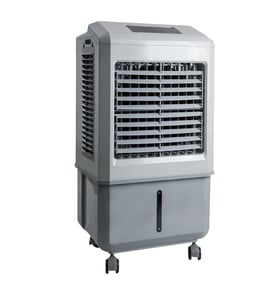

What is the life expectancy of an evaporative cooler?
Most evaporative coolers, including the Adobe RW5000, typically last 10 to 20 years. Lifespan depends mainly on water quality, how often you run it, and whether you keep the pads, pump, and fan area clean and protected during the off-season.
- 10 years: heavy use, hard water scale, minimal seasonal maintenance
- 15 years: average use with regular pad changes and end-of-season draining
- 20 years: light to moderate use, clean water supply, consistent maintenance and storage
- Hard water buildup (mineral scale) in the reservoir and on the pump
- Running with low water level (stresses the pump)
- Dirty or collapsing evaporative pads (restricts airflow)
- Leaving water sitting in the unit between seasons (corrosion, odor)
- Outdoor exposure without cover or proper storage
- Drain and rinse the pan/reservoir regularly during the season
- Replace pads when they stay crusty, smell musty, or stop absorbing evenly
- Clean the pump screen and check for steady water flow to the pads
- Vacuum dust from the intake and fan area (unplug first)
- End of season: drain completely, dry out, and store/cover in a dry place
| Item | What to do | Typical frequency |
|---|---|---|
| Evaporative pads | Inspect, replace if scaled or sagging | 1 to 2 times per season |
| Reservoir/pan | Drain, rinse, wipe mineral film | Every 2 to 4 weeks |
| Pump and tubing | Clear debris, confirm flow | Monthly |
| Fan and intake | Remove dust and lint | Monthly |
A well-maintained evaporative cooler cools better, uses less electricity, and avoids premature failures of common wear items like pads and the water pump.
For general DIY repair readiness and safe habits, we recommend reviewing are diy appliance repairs safe.
Last updated: February 2026
Do evaporative coolers actually cool the air?
Yes. An evaporative cooler like the Adobe RW5000 actually lowers the air temperature by pulling warm air through wet pads; as the water evaporates, it removes heat from the air. You get the biggest temperature drop in dry climates, and much less cooling when outdoor humidity is high.
Evaporative cooling is simple and effective when conditions are right:
- A fan draws hot, dry air into the cooler.
- Water saturates the evaporative media (pads).
- Air passes through the wet pads and water evaporates.
- Evaporation absorbs heat, so the supply air temperature drops.
- The cooler adds moisture to the air, so indoor humidity rises.
Cooling depends mostly on outdoor humidity and airflow.
| Outdoor condition | Typical result | What you may notice indoors |
|---|---|---|
| Hot and dry | Strong cooling | Air feels cooler and fresher |
| Warm and moderately humid | Moderate cooling | Some cooling, humidity increases |
| Humid | Minimal cooling | Air can feel muggy |
These steps help an Adobe RW5000 style room evaporative cooler perform its best:
- Crack a window or door in the room to create exhaust airflow.
- Use the highest fan speed that is still comfortable for noise.
- Keep the water reservoir filled to the proper level.
- Clean mineral buildup regularly (hard water reduces pad wetting).
- Replace or clean pads when airflow drops or odors develop.
Evaporative coolers cool by adding moisture. If your home already has high humidity, the added moisture limits evaporation, so the unit cannot shed much heat. In dry air, evaporation happens quickly, so you feel a much bigger temperature drop.
For general DIY safety and expectations before opening the unit or testing electrical components, use our guide: are diy appliance repairs safe.
Last updated: February 2026
What is a downside of evaporative cooling?
A key downside of evaporative cooling on an Adobe RW5000 is that it adds moisture to the air; in humid weather it cools poorly and can make a room feel muggy. It also needs steady airflow (often an open window or vent) and regular pad and water-system maintenance.
- Weak cooling in humidity: Performance drops fast as outdoor humidity rises (evaporative cooling works best in dry climates).
- Adds indoor humidity: Can feel sticky and may aggravate condensation issues in some homes.
- Needs fresh air exchange: You typically run it with a window or vent cracked to exhaust warm, moist air.
- More routine upkeep than AC: Pads, reservoir, and pump area need periodic cleaning to prevent odors and mineral buildup.
- Water use: It consumes water while running, especially during long hot spells.
- Allergens and dust: If pads or filters are dirty, airflow can carry odors, dust, or pollen.
| Feature | Evaporative cooler (RW5000 type) | Refrigerated air conditioner |
|---|---|---|
| Best climate | Hot, dry | Any, including humid |
| Humidity impact | Increases indoor humidity | Dehumidifies |
| Venting | Needs fresh air exchange | Usually closed-room operation |
| Maintenance | Pads, water system cleaning | Filter cleaning, coil care |
Evaporative coolers are efficient when conditions are right, but the same “adds moisture” design that makes them work can become the main drawback in humid conditions. Planning for ventilation and maintenance keeps comfort high and helps prevent odor and buildup problems.
For general DIY safety and planning before you open panels or handle wiring, use our guide: are diy appliance repairs safe.
Last updated: February 2026
What are the parts of a swamp cooler?
A swamp cooler (evaporative cooler) like the Adobe RW5000 is built around a fan and water-delivery system: a blower or fan motor moves air through wet pads while a pump circulates water from the reservoir to keep the pads saturated.
- Cooling pads (media): the wet surface air passes through to cool
- Water reservoir (pan/sump): holds water for the system
- Water pump: lifts water from the reservoir to the distributor
- Water distribution lines or spider: spreads water evenly across the pads
- Float valve (water inlet valve): maintains the correct water level
- Fan or blower assembly: moves air through the pads and into the room
- Motor and controls: powers the fan and pump; includes switches or a control board
- Bleed-off/overflow drain parts: helps reduce mineral buildup by purging water
- Drain plug or drain tube: for emptying the reservoir
- Belt, pulleys, and bearings (belt-driven units): transfers power from motor to blower
- Cabinet, louvers, and grille: directs airflow and protects internal components
- Wiring harness, capacitor, and fuse (some models): supports safe motor operation
| Part | What it does | Common symptom when it fails |
|---|---|---|
| Pump | Circulates water to pads | Pads stay dry, air feels warm |
| Pads | Provide evaporative cooling surface | Musty odor, weak cooling |
| Float valve | Keeps water level steady | Overflowing or no water fill |
| Fan/blower | Moves air | Low airflow, unusual noise |
Knowing the major swamp cooler parts helps you troubleshoot faster. For example, “airflow is strong but not cool” points to pads, water level, or the pump, while “cool air but weak airflow” points to the fan, blower wheel, or motor.
For basic electrical checks during troubleshooting (like verifying power to the pump or motor), use a meter and follow safe testing practices in our how to use a multimeter to test electrical parts video.
Last updated: February 2026
What is the difference between a swamp cooler and an evaporative cooler?
There is no real difference: a “swamp cooler” is simply a common nickname for an evaporative cooler. Your Adobe RW5000 uses water evaporation (wet pads plus airflow) to cool best in hot, dry climates where humidity is low.
- Evaporative cooler: The technical name for the appliance type.
- Swamp cooler: A casual term people use for the same type of cooler.
- How it cools: A fan pulls warm air through wet media (pads); evaporation removes heat from the air.
Evaporative cooling performance depends heavily on humidity and ventilation.
- Works best when outdoor air is dry (low relative humidity)
- Needs a fresh-air path (crack a window or open a vent) so moist air can exit
- Cooling feels strongest when the unit is sized correctly for the room
- Pads must stay clean and evenly wet for consistent cooling
- Water supply and pump flow must be steady to prevent dry spots
| Feature | Evaporative (swamp) cooler | Refrigerant air conditioner |
|---|---|---|
| Cooling method | Evaporates water | Uses refrigerant and a compressor |
| Best climate | Hot, dry | Most climates |
| Humidity impact | Adds moisture | Removes moisture |
| Ventilation | Needs an exhaust path | Typically recirculates indoor air |
If your Adobe RW5000 is not cooling well, the most common causes are high humidity, poor ventilation, mineral buildup on pads, or weak water flow. Fixing airflow and pad wetting usually restores performance faster than replacing major components.
For safe DIY checks like inspecting wiring connections or testing electrical components, we recommend starting with are diy appliance repairs safe and then using how to use a multimeter to test electrical parts video if you need to troubleshoot power to the fan or pump.
Last updated: February 2026