Installation guide
 Owner’s manual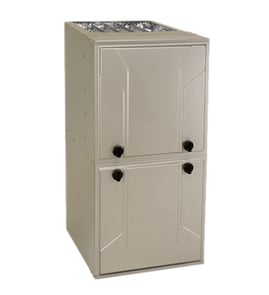

How do you reset a gas furnace with an electronic ignition?
To reset an electronic-ignition gas furnace like the Icp G9MXT0601714A1, we cycle power and follow the safe start-up sequence: turn OFF electrical power, set the gas control switch to OFF for 5 minutes, then restore the gas control to ON and turn power back ON so the control can retry ignition.
Safe reset steps (G9MXT0601714A1)
- Set the thermostat to OFF (or raise it later when you are ready to test heat).
- Turn OFF electrical power to the furnace at the disconnect or breaker.
- Remove the outer door, then move the gas control switch to OFF and wait 5 minutes.
- If you smell gas, stop and follow the safety instructions in the owner's manual.
- If you do not smell gas, move the gas control switch back to ON.
- Reinstall the furnace door fully (a loose door can prevent operation).
- Turn ON electrical power, open the external manual gas valve, then set the thermostat to HEAT and call for heat.
If it still will not ignite
The manual sequence for this style of furnace is: inducer starts, hot surface igniter glows, then the gas valve opens and burners light. If ignition fails, the control typically retries several times before locking out.
Check these common reset blockers:
- Tripped breaker or blown furnace control fuse
- Gas shutoff valve closed or gas control switch not in ON
- Furnace door not seated (door safety switch not made)
- Manual-reset rollout switch tripped (reset button on the switch)
Quick timing guide (what “normal” looks like)
| Step | What you should see | Typical timing |
|---|---|---|
| Call for heat | Draft inducer starts | Immediately |
| Ignition prep | Igniter glows orange | Within seconds |
| Light-off | Burners ignite | About 17 seconds after igniter energizes |
| Heat delivery | Blower turns on | About 25 to 60 seconds after flame |
Why it matters
Repeatedly pressing reset or cycling power without fixing the cause can lead to repeated lockouts and overheating safety trips. If a rollout switch trips a second time, we turn the furnace off and have it serviced.
Last updated: February 2026
How to tell if a furnace ignitor is bad?
On the Icp gas furnace model G9MXT0601714A1, a bad hot-surface igniter usually shows up as a no-heat call where the inducer runs but the burners never light; during a normal start, the igniter should energize and glow orange before ignition (see the owner's manual).
Quick signs the igniter is failing
- The furnace starts a heat cycle but you only get cold air from the vents.
- You hear the furnace attempting ignition, but the burners do not light.
- The igniter does not glow orange during the ignition attempt.
- The furnace retries ignition several times and then stops heating (control lockout behavior).
- Visible damage on the igniter (cracks, chips, white spots, or a broken element).
What “normal ignition” looks like on this model
When the thermostat calls for heat, this furnace uses automatic hot surface ignition:
| Step | What you should see | Typical timing (approx.) |
|---|---|---|
| 1 | Draft inducer motor starts | Immediately |
| 2 | Hot-surface igniter energizes and glows orange | Before burners light |
| 3 | Gas valve opens and burners ignite | About 17 seconds |
| 4 | Blower turns on after a delay | About 25 to 60 seconds |
If step 2 never happens (no orange glow), the igniter or its power supply circuit is the first place we check.
Safe checks that help confirm the problem
- Turn off electrical power before removing access doors.
- Look through the sight area during a call for heat to confirm whether the igniter glows.
- Inspect wiring connections to the igniter for looseness or heat damage.
- Check the furnace door is fully closed; a failed door interlock can prevent ignition.
- If you use a meter, follow a proven procedure such as the how to use a multimeter to test electrical parts video.
Parts that commonly relate to “no glow” or “no ignition”
If the igniter does not glow or is visibly damaged, replacement is typical. For this model, the igniter listed for the unit is the furnace burner igniter 1176919.
Why it matters
The igniter is a safety-critical part of the ignition sequence. If it cannot heat properly, the gas valve will not reliably light the burners, and the control can shut the furnace down after multiple failed ignition attempts.
Last updated: February 2026
Do 80% furnaces have a secondary heat exchanger?
Most 80% AFUE gas furnaces are non-condensing designs and use a single (primary) heat exchanger; a secondary heat exchanger is typically used on higher-efficiency condensing furnaces. For your Icp G9MXT0601714A1 gas furnace, confirm the exact heat exchanger configuration in the owner's manual.
What “secondary heat exchanger” usually means
A secondary heat exchanger is added to capture more heat from the flue gases and is commonly paired with condensing operation.
In practice, you will usually see these differences:
- 80% AFUE (non-condensing): primary heat exchanger only
- 90%+ AFUE (condensing): primary plus secondary heat exchanger
- Condensing furnaces: often have a condensate drain system (trap, tubing)
- Non-condensing furnaces: typically vent differently and do not rely on condensate management
How to tell on the furnace (quick checks)
Use these checks to identify whether your system is operating as a condensing design.
- Look for a condensate drain line and a condensate trap near the furnace base
- Check whether the venting uses plastic pipe (common on condensing furnaces)
- Look for a collector box and drain connections near the inducer area
- Review the furnace rating plate for AFUE and venting category
- Match what you see to the diagrams and parts callouts in the installation guide
Common indicators at a glance
| What you see | Most likely type | What it suggests |
|---|---|---|
| No condensate drain or trap | Non-condensing | Primary heat exchanger only |
| Condensate drain and trap present | Condensing | Secondary heat exchanger likely |
| Return air kept within 55°F to 80°F | Any type | Protects heat exchangers and reliability |
Why it matters
Knowing whether there is a secondary heat exchanger affects venting, condensate drainage, and troubleshooting. The installation guidance for this furnace also emphasizes keeping return-air temperature within limits (about 55°F to 80°F) to help protect heat exchangers, motors, and controls.
Last updated: February 2026
What is the most common part to fail on a furnace?
The most common “failure point” on a gas furnace is airflow restriction from a dirty air filter, which overheats the furnace and triggers a safety shutdown. On the Icp G9MXT0601714A1, the manual specifically warns that a dirty filter can overheat the unit and stop operation; ignition and safety switches are also frequent culprits. See the owner's manual.
What fails most often (and what it looks like)
- Dirty air filter (most common overall): furnace starts then shuts off, short-cycling, high heat, weak airflow
- Ignition components: no heat, repeated clicking/tries, then lockout (often tied to an igniter issue)
- Safety switches (limit or rollout): burners shut down to prevent overheating or unsafe conditions
- Door switch: furnace appears dead after a panel was removed or not seated
- Condensate drain/trap issues (high-efficiency furnaces): pressure switch faults, water backing up, intermittent heat
Quick checks we recommend first (safe homeowner steps)
- Set thermostat to HEAT and raise setpoint above room temperature.
- Check/replace the air filter; the manual recommends checking about every 4 weeks and replacing as needed.
- Make sure supply and return grilles are open and not blocked.
- Confirm the blower access door is firmly in place (a loose door can open the safety circuit).
- If your furnace has manual-reset rollout switches and they trip again after a reset, stop and schedule service.
Parts on this model that commonly solve “no heat” symptoms
| Symptom | Common suspect | Example part for G9MXT0601714A1 |
|---|---|---|
| Starts then shuts off, overheats | Limit protection opening | Furnace temperature limit switch 1177033 |
| Tries to light but never ignites | Hot surface igniter | Furnace burner igniter 1176919 |
| Shuts down when door is not seated | Door interlock switch | Furnace door switch 1171981 |
| Water in cabinet, pressure-related shutdowns | Condensate trap/drain restriction | Trap assembly 1184288 |
Why it matters
Airflow problems do not just stop heat; they also stress the heat exchanger and blower motor. Keeping the correct filter type and maintaining clear airflow helps prevent nuisance shutdowns and repeat safety trips.
Last updated: February 2026
What is the life expectancy of the inducer motor in a furnace?
An inducer motor in a residential gas furnace typically lasts 10 to 15 years. On an Icp gas furnace like G9MXT0601714A1, correct venting, good airflow, and keeping moisture out of the inducer area help the motor reach its full service life.
Typical lifespan (what to expect)
- Normal use: 10 to 15 years
- With excellent maintenance: up to 20 years
- Shortened by: moisture/condensate problems, restricted airflow, vent restrictions, frequent short-cycling, and electrical issues
Signs the inducer is wearing out
- Grinding, squealing, or rattling during pre-purge/startup
- Hums but struggles to spin up
- Burners do not light because the pressure switch does not prove
- Intermittent ignition or repeated lockouts
- Water staining or corrosion near the inducer or vent connection
Checks that help the inducer last longer
Follow the safety steps in the owner's manual before opening panels.
- Check the filter regularly; a dirty filter can overheat the furnace and increase stress on motors and controls
- Inspect the vent for sags, disconnections, or blockage (intake and exhaust)
- Keep the condensate drain path clear; standing water can damage inducer bearings
- If your vent run is very short, confirm the correct inducer outlet restrictor setup per the installation guide
Why it matters
The inducer proves safe draft and moves combustion gases. When it weakens, you can get nuisance shutdowns, ignition failures, and reduced heating reliability.
| What you notice | Common cause | Next step |
|---|---|---|
| Loud startup noise | Worn bearings or debris | Inspect inducer wheel and housing |
| Pressure switch errors | Weak inducer or vent restriction | Check venting and condensate drain |
| Short cycling | Airflow or control issue | Verify filter and return-air path |
Last updated: February 2026