Error Codes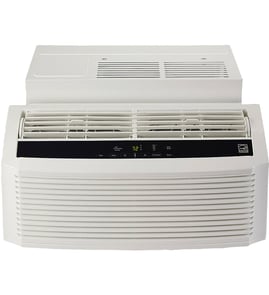




How big of a room will a 12,000 BTU air conditioner cool?
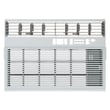
A 12,000 BTU room air conditioner like the GE AHK12LZW1 typically cools about 450 to 550 sq. ft. in average conditions (8 ft ceilings, decent insulation, normal sun exposure). If your space is hotter, sunnier, or poorly insulated, plan for less coverage.
Quick sizing guide (what to expect)
Use this as a practical starting point for a 12,000 BTU window or room air conditioner:
- Ideal range: ~450 to 550 sq. ft.
- Strong sun exposure (big west-facing windows): subtract ~10% to 20%
- Poor insulation or very hot/humid conditions: subtract ~10% to 25%
- High ceilings (over ~8 ft): subtract ~10% to 15%
- Open floor plans: treat connected areas as one larger space
How to estimate your room size
Measure the room and do a quick calculation:
- Measure length and width in feet
- Multiply to get square footage
- If ceilings are tall, treat it like a larger room
| Room size (sq. ft.) | 12,000 BTU result | What you’ll notice |
|---|---|---|
| 350 to 450 | Oversized | Faster cooling, more cycling |
| 450 to 550 | Best fit | Steady comfort, good runtime |
| 550 to 650 | Undersized | Runs constantly, struggles on hot days |
Why it matters
Correct sizing helps your GE AHK12LZW1 cool more evenly and efficiently. An undersized unit tends to run nonstop and still feel warm; an oversized unit can cool too quickly and cycle often, which can leave the room feeling clammy.
Related troubleshooting and setup help
If the unit is running but comfort is still off, these resources help you narrow it down:
- Room air conditioner installation and operation tips
- Window air conditioner running but not cooling
- GE error codes
Last updated: February 2026
What is the cost of AC in a 12X12 room?
For a 12 x 12 room, the total “cost of AC” usually means two things: the purchase price of a properly sized room air conditioner and the ongoing electricity cost to run it. With a GE room air conditioner like model AHK12LZW1, your operating cost is driven mostly by BTU size, efficiency, and how many hours per day you run it.
What you should budget for
- Upfront unit cost: Varies by BTU rating, features (Wi-Fi, remote), and seasonality.
- Installation materials: Mounting hardware, side panels, foam seals, and a dedicated outlet if needed.
- Ongoing electricity: Depends on wattage, thermostat setting, outdoor heat, and run time.
- Maintenance: A clean filter and coils reduce energy use and improve cooling.
Quick sizing and cost expectations for a 12 x 12 room
A 12 x 12 room is 144 sq ft. Most rooms that size typically use a 5,000 to 8,000 BTU window air conditioner (higher if the room is very sunny, poorly insulated, or has multiple occupants).
| Room size | Typical BTU range | What it affects most |
|---|---|---|
| ~144 sq ft (12 x 12) | 5,000 to 8,000 BTU | Purchase price and electric usage |
| Hot/sunny or poor insulation | 8,000+ BTU | Longer run time if undersized |
How to keep operating cost down
- Clean or replace the air filter regularly; a clogged filter makes the unit run longer (see room air conditioner air filter WJ85X24905).
- Set the thermostat a few degrees higher and use fan mode when humidity is low.
- Keep blinds closed during peak sun.
- Make sure the unit tilts slightly outward so it drains correctly.
- Seal air leaks around the side panels and sash.
Why it matters
If the air conditioner is undersized, it runs constantly and costs more to operate. If it is oversized, it can short-cycle, cool unevenly, and remove less humidity. Proper sizing plus basic maintenance is the fastest way to control total cost.
Related help: room air conditioner installation and operation tips
Last updated: February 2026
What is the 20 rule for air conditioning?
The “20-degree rule” is a rule of thumb that your air conditioner can typically cool indoor air about 15 to 20°F below the outdoor temperature under normal conditions. For a GE AHK12LZW1 room air conditioner, trying to force a bigger drop often means longer run times, higher energy use, and less comfort.
What the rule really means (and what it does not)
This guideline is about typical performance, not a hard limit.
- It describes a common indoor vs. outdoor cooling difference on hot days.
- It is not the same as the temperature drop across the unit (return air vs. supply air).
- Humidity, sun exposure, insulation, and airflow can make the “rule” look better or worse.
- If your unit runs constantly and still cannot keep up, the issue is often airflow or heat load, not “bad refrigerant.”
Quick checks that help your AHK12LZW1 cool better
Start with the items that most often reduce cooling capacity in window and room AC units:
- Clean or replace the filter; a clogged filter restricts airflow (see room air conditioner air filter WJ85X24905).
- Make sure the front grille and intake are not blocked by curtains or furniture.
- Confirm the unit is fully seated in the window and sealed around gaps to stop hot air infiltration.
- Use a higher fan speed during extreme heat to improve airflow across the evaporator.
- Keep the condenser side (outdoor side) clear of leaves, lint, and debris.
What “normal” looks like
Use this table to set expectations on a hot day:
| Outdoor temp | Reasonable setpoint goal | What you may see |
|---|---|---|
| 85°F | 70 to 75°F | Cycles normally |
| 95°F | 75 to 80°F | Longer run times |
| 105°F | 80 to 85°F | May run nearly nonstop |
Why it matters
Chasing a very low setpoint when it is extremely hot outside can make the unit run continuously, which increases energy use and can lead to icing, uneven cooling, and faster wear on components.
For troubleshooting symptoms like “running but not cooling” or displayed fault codes, we use our GE error codes guide to narrow down likely causes.
Last updated: February 2026