Error Codes



How do I read my Hydro-Gear model number?
Your Hydro-Gear model number is the first group of letters and numbers printed on the ID label attached to the hydrostatic drive itself; the next group on that same label is typically a cross-reference number. For Hydro-Gear 314-3000, use the first group when looking up engine and drivetrain parts.
On most Hydro-Gear hydrostatic drives, the ID label is placed directly on the transaxle or hydrostatic unit housing (not on the mower frame). Check these common spots:
- Top of the transaxle case near the fan or pulley
- Side of the case near the axle shaft area
- Rear face of the hydrostatic unit where it’s easiest to see from behind
- Flat machined surface on the housing (often where a sticker can adhere)
Most Hydro-Gear labels present multiple identifiers. Use this quick guide:
| Label item | What it means | What we use it for |
|---|---|---|
| Model number (first group) | The exact Hydro-Gear unit model | Matching the correct parts list for 314-3000 |
| Cross-reference number (second group) | Alternate identifier used by some equipment brands | Helpful when comparing listings, but not the primary lookup |
| Serial number (if shown) | Production identifier | Useful for confirming revisions when ordering parts |
Hydrostatic drives can look similar across models, so we recommend these checks before you order:
- Write the model number exactly as printed (including dashes).
- Clean the label area with a dry rag so characters are readable.
- Match the part type to your repair (seal, bearing, fastener, spacer).
- If you’re replacing a leaking seal, confirm the seal location and shaft size before ordering.
- When in doubt, compare your old part to the listing details for the exact part ID.
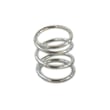
If you’re working on a leak or axle area repair, common drivetrain items for this model include the bearing 532122745 and the seal.1" (507 583000201.
Using the correct Hydro-Gear model number (314-3000) ensures you get the right engine and drivetrain parts for your riding mower or tractor transaxle; small differences in seals, bearings, and hardware can cause fit issues or repeat leaks.
Last updated: February 2026
How fast is the Hydro-Gear ZT3100?
The Hydro-Gear ZT3100 does not have a single fixed MPH rating by itself; the mower’s tire size, pulley ratio, and governed engine RPM determine ground speed. For a Hydro-Gear 314-3000 drivetrain setup, use the mower’s published ground-speed spec as the accurate number.
The transaxle is only one part of the drivetrain; these items control how fast the machine can travel:
- Tire diameter and tire pressure
- Engine governed RPM under load
- Drive pulley and belt ratio from engine to transaxle input
- Control linkage adjustment (neutral and full-stroke)
- Hydro oil condition and operating temperature
If you want a real-world number for your specific mower, measure it:
- Mark a 100 ft (or 50 m) straight path
- Run at full throttle on flat ground
- Time the run in seconds
- Convert to MPH or km/h
| Distance | Time | Approx. speed |
|---|---|---|
| 100 ft | 10 sec | 6.8 MPH |
| 100 ft | 8 sec | 8.5 MPH |
| 100 ft | 7 sec | 9.7 MPH |
Speed loss is often caused by drag, belt issues, or leakage rather than the ZT3100 itself.
- Check for oil seepage at the axle area; replace a leaking seal such as seal.1" (507 583000201
- Listen for growling or roughness at the axle; inspect/replace the bearing 532122745
- Inspect the drive belt for glazing, stretching, or contamination
- Verify the engine reaches governed RPM at full throttle
Running faster than the deck and terrain allow reduces cut quality and increases hydro heat; running slower than normal usually points to a belt, adjustment, or seal/bearing issue that can worsen if ignored.
Last updated: February 2026
How much oil goes in a hydro gear transmission?
Most Hydro-Gear transmissions take about 2 to 3 quarts (64 to 96 oz) of oil when fully drained and refilled; the exact amount depends on the specific transaxle design and whether the system was completely emptied. For Hydro-Gear 314-3000 drivetrain service, we recommend refilling to the correct level and confirming operation rather than relying only on a single “fill quantity.”
- Use the oil type specified for your Hydro-Gear unit (many use 20W-50 motor oil or a Hydro-Gear-approved fluid).
- Fill slowly; trapped air can make the level look “full” before it actually is.
- After filling, run the drive system briefly, then recheck the level.
- Do not overfill; overfilling can cause foaming and weak drive performance.
- Replace any leaking seals before refilling so the level stays stable.
| Hydrostatic unit type | Typical refill amount | Notes |
|---|---|---|
| Integrated transaxle (common on riding mowers) | 2 to 3 quarts | Varies by case size and drain completeness |
| Separate pump and wheel motors | 2 to 4 quarts | More lines and components can hold extra fluid |
Oil capacity changes based on:
- Whether you drained the case only or also emptied lines and reservoirs
- Internal case size and axle configuration
- How much oil remained trapped in chambers and passages
- Whether you purged air from the system after refilling
If you see oil around the axle area or case seam, fix the leak first so the refill level stays correct. These model-specific parts are commonly involved:
- Seal.1" (507 583000201 (lip seal that helps keep oil inside the transaxle)
- Bearing 532122745 (worn bearings can contribute to seal wear and leakage)
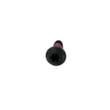
- Screw #50653 587798701 (fastener used in drivetrain assemblies; replace stripped hardware)
Running low on oil (or running aerated, foamy oil) reduces lubrication and hydraulic pressure. That can cause slow movement, loss of pulling power, overheating, and accelerated wear in the Hydro-Gear drivetrain.
Last updated: February 2026
What is a hydro gear transmission?
A Hydro-Gear transmission is a hydrostatic drive unit that uses hydraulic fluid pressure (created by an internal pump) to transfer engine power to the drivetrain, letting you control ground speed smoothly without shifting gears. For Hydro-Gear model 314-3000, it is the core engine and drivetrain component that drives the mower.
Hydrostatic transmissions replace most gear-shifting with hydraulic control. In a typical riding mower setup, the system works like this:
- The engine spins an internal hydraulic pump.
- The pump pressurizes hydraulic oil.
- Pressurized oil drives a hydraulic motor inside the transaxle.
- A control lever or pedal changes pump output to vary speed and direction.
- Power is delivered to the axle(s) and wheels through the drivetrain.
Hydrostatic drive is popular on riding mowers and tractors because it changes how the machine feels and responds.
| Feature | Hydrostatic (Hydro-Gear style) | Gear drive (manual/stepped) |
|---|---|---|
| Speed changes | Smooth, continuous | Fixed steps (gears) |
| Direction changes | Typically lever/pedal controlled | Shift or clutching |
| Best for | Frequent speed changes, mowing around obstacles | Straight runs, simpler drivetrains |
When a hydrostatic unit starts acting up, the symptoms often point to fluid condition, sealing, or internal wear. On the 314-3000 drivetrain parts list, common service-related items include sealing and hardware.
- Oil leaks around shafts or housings often relate to a worn seal.
- Whining, slipping, or weak drive can be tied to fluid issues or internal wear.
- Loose mounting or vibration can come from missing or damaged fasteners.
- Bearing noise can indicate drivetrain wear.
- Seal.1" (507 583000201) for addressing leaks at a sealed shaft or housing point
- Bearing 532122745 when noise or roughness suggests bearing wear
- Screw #50653 587798701 when replacing missing or damaged mounting hardware
Last updated: February 2026