Owner’s manual
 Error Codes




What is the average lifespan of a gas water heater?
A tank-style gas water heater typically lasts 8 to 12 years. With consistent maintenance (especially flushing sediment and inspecting the anode rod), many units reach the upper end of that range; poor water quality and heavy use shorten life. See the maintenance schedule in the owner's manual.
What affects lifespan the most
- Water quality: hard water and corrosive conditions accelerate tank wear
- Sediment buildup: reduces efficiency and can overheat the tank bottom
- Anode rod condition: a depleted anode allows the tank to corrode faster
- Temperature setting: higher settings increase stress on components
- Maintenance frequency: regular draining and flushing extends service life
Maintenance that extends life on model FG12240S403NOV
Your American FG12240S403NOV manual calls out two big life-extenders:
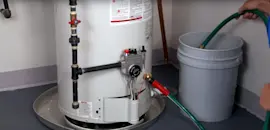
- Drain and flush the tank about every 6 months to remove sediment.
- Inspect the anode rod every 3 years; replace it if it is more than 50% depleted.
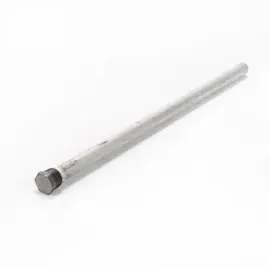
If you are planning an anode replacement, the model parts list includes a compatible water heater anode rod 100109594.
Quick lifespan guide (what to expect)
| Condition | Typical outcome | What we recommend |
|---|---|---|
| Regular flushing + anode checks | Longer life (often 10 to 12 years) | Keep a simple maintenance log |
| Heavy sediment, no flushing | Shorter life (often under 10 years) | Flush and check drain valve operation |
| Corrosive/softened water | Shorter tank life | Inspect anode more often |
Why it matters
Most “end of life” failures on tank water heaters are tank corrosion and leaks, not a single replaceable part. Staying on top of flushing and the anode rod helps protect the glass-lined tank and reduces the chance of sudden leakage.
Last updated: February 2026
Why are gas water heaters being phased out?
Gas water heaters are being phased out in some areas because they produce combustion emissions (including nitrogen oxides) that contribute to smog and air-quality problems; many local rules target these emissions by encouraging electric alternatives. For your American FG12240S403NOV, safe operation and proper venting remain essential; see the owner's manual.
What is driving the phase-outs
Most phase-outs are policy decisions aimed at reducing air pollution from on-site gas combustion in homes.
Common drivers include:
- Lowering nitrogen oxides (NOx) emissions that contribute to smog
- Meeting state or regional clean-air targets
- Shifting new installations toward electric heat pump water heaters
- Reducing indoor and outdoor combustion byproducts (for example, carbon monoxide risk if venting fails)
- Standardizing building codes for new construction and major remodels
What it means for owners of FG12240S403NOV
In most places, existing gas water heaters can still be used and maintained safely; the biggest change is usually what can be installed when you replace the unit.
Practical steps we recommend:
- Check your local code requirements before planning a replacement
- Keep the venting system in good condition and unobstructed
- Maintain adequate combustion air and ventilation around the heater
- Never store or use flammable liquids or vapors near the water heater
- If the heater has been under water or the gas controls were submerged, replace the entire water heater (per the manual)
Quick comparison: gas vs. electric (why policies focus here)
| Topic | Gas water heater | Electric (including heat pump) |
|---|---|---|
| On-site emissions | Produces NOx and combustion byproducts | No on-site combustion emissions |
| Venting needs | Requires proper venting and combustion air | No combustion venting |
| Replacement rules | May be restricted in some regions | Often encouraged by codes/incentives |
Why it matters
Phase-outs are about reducing community-wide emissions, but day-to-day safety still comes down to correct installation, ventilation, and avoiding flammable vapors. Following the safety and location guidance in the manual helps protect your home and keeps the heater operating as designed.
Last updated: February 2026
What is the most common problem with gas water heaters?
The most common gas water heater problem is the pilot not lighting or not staying lit, which stops the burner from heating water. On American FG12240S403NOV, the manual’s troubleshooting chart points to causes like no gas, air or dirt in the gas line, a clogged pilot orifice, low gas pressure, or a defective thermocouple. See the owner's manual for model-specific checks.
Common symptoms you’ll notice
- No hot water or not enough hot water
- Pilot will not light or goes out shortly after lighting
- Burner flame looks yellow or “lazy” instead of a steady blue
- Slow hot water recovery (water heats too slowly)
- Sooting or combustion odors near the heater
- Dripping from the relief valve
What usually causes the issue (and what to check first)
We recommend starting with the basics the manual calls out:
- Confirm the gas supply is on and the heater has gas
- Check for air in the gas line (common after service or a gas interruption)
- Inspect for dirt in gas lines or a clogged pilot line/orifice
- Make sure the heater has adequate fresh air and ventilation (especially in confined spaces)
- Look for flue or venting obstructions and correct them
- If the pilot still will not stay lit, the thermocouple or igniter system is often the next suspect
Quick troubleshooting map
| Symptom | Most common causes | Typical next step |
|---|---|---|
| Pilot will not light/stay lit | No gas, clogged pilot/orifice, low gas pressure, defective thermocouple/igniter | Clean pilot path; verify gas; replace pilot/igniter if needed |
| Yellow, lazy burner flame | Insufficient secondary air, flue clogged, low gas pressure | Improve ventilation; clear flue/venting |
| Not enough hot water | Thermostat set low, sediment/lime, heater undersized, piping issues | Adjust temp; flush tank; verify piping |
Parts that commonly get replaced for pilot and ignition problems
If troubleshooting points to the ignition system, these model-listed parts are common fixes:
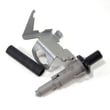
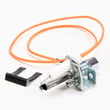
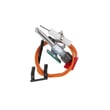
- Water heater pilot igniter 100110927
- American water heaters water heater pilot and igniter assembly 100093809
Why it matters
A weak pilot or poor combustion can lead to repeated shutdowns, slow recovery, and soot buildup. The manual also recommends a visual inspection at least every 3 months for venting, air supply, and burner/pilot condition to help prevent recurring problems.
Last updated: February 2026
What is the cost of replacing a 40 gallon gas water heater?
Replacing a 40-gallon gas water heater typically costs about $1,500 to $3,500 installed in the U.S., depending on venting changes, gas line work, local labor rates, and whether code upgrades are needed. For your American FG12240S403NOV, the owner's manual helps confirm installation requirements that can affect total cost.
What drives the total replacement cost
The water heater itself is only part of the bill. The biggest price swings usually come from installation scope.
- Venting and draft hood work (chimney vs. power vent, new vent pipe, clearances)
- Gas piping changes (pipe sizing, shutoff valve, sediment trap, leak test)
- Water piping updates (new shutoffs, dielectric unions, expansion tank)
- Code and safety items (drain pan, seismic straps where required, combustion air)
- Disposal and haul-away of the old tank
- Emergency or after-hours labor
Typical cost breakdown (ballpark)
| Cost item | Typical range | Notes |
|---|---|---|
| 40-gallon gas water heater | $600 to $1,500 | Brand, efficiency, warranty tier |
| Basic installation labor | $600 to $1,500 | Straight swap is lowest |
| Materials and fittings | $150 to $500 | Valves, connectors, vent parts |
| Venting or gas line upgrades | $200 to $1,500+ | Common reason totals rise |
| Permit/inspection (where required) | $50 to $300+ | Varies by area |
Model-specific notes for FG12240S403NOV
Your manual emphasizes items that often add labor time and parts cost:
- Install indoors, vertical, on a level surface
- Keep vent runs as short as practical with minimal elbows
- Follow local codes or the National Fuel Gas Code (ANSI Z223.1/NFPA 54)
- Use a metal drain pan where leakage could damage surrounding areas
If your existing setup does not meet these requirements, the installer may quote additional venting, combustion air, or piping work.
Why it matters
A low quote usually assumes a simple like-for-like swap. If venting, gas pipe sizing, or safety upgrades are needed, the installed price increases quickly, but those upgrades help the heater operate safely and reliably.
Last updated: February 2026
What brand of gas water heater is the most reliable?
The most reliable gas water heater brand is the one that’s installed correctly, matched to the right fuel type, and maintained on schedule. For your American Water Heaters model FG12240S403NOV, long-term reliability depends heavily on safe gas setup, proper venting, and keeping ignition and safety parts in good condition (see the owner's manual).
Most reliable brands (real-world, homeowner-focused)
These brands are consistently known for dependable tank-style gas water heaters when properly installed and maintained:
- A. O. Smith
- Bradford White
- Rheem
- State
What “reliable” means on a gas water heater
Reliability is mostly about consistent ignition, safe venting, and corrosion control.
Key factors that drive reliability:
- Correct gas type and safe gas piping
- Stable draft and venting (draft hood and vent system)
- Strong pilot and burner ignition performance
- Tank corrosion protection (anode rod condition)
- Sediment control (periodic draining)
Quick brand comparison
| Brand | Strength | Best fit | Common pitfall to avoid |
|---|---|---|---|
| A. O. Smith | Broad parts availability | Easy long-term service | Wrong venting or gas type |
| Bradford White | Pro-grade durability | Pro install, long ownership | Service access varies |
| Rheem | Widely available | Many sizes and options | Incorrect sizing/venting |
| State | Straightforward designs | Standard replacement | Skipping maintenance |
Reliability tips for FG12240S403NOV
- Follow the lighting, venting, and gas-type requirements in the owner's manual.
- Keep the draft hood and vent path clear and properly connected.
- If the pilot won’t stay lit, replace ignition parts before assuming the tank is failing.
- Test the T&P relief valve periodically; replace it if it leaks or won’t reset.
Parts that often restore dependable operation
For this model, these parts commonly affect “reliability” symptoms:
Why it matters
Brand helps, but correct fuel type, safe venting, and timely replacement of ignition and safety parts prevent nuisance shutdowns and extend service life.
Last updated: February 2026