Owner’s manual
 Error Codes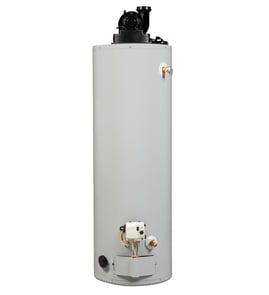




Can you replace parts on a water heater?
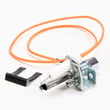
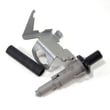
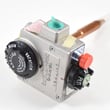
Yes. On the American BFG1H4040T3NOV gas water heater, many service parts are designed to be replaced (such as the thermocouple, pilot igniter, gas valve, anode rod, drain valve, and T&P relief valve) to restore safe operation and extend the heater’s useful life; follow the BFG1H4040T3NOV owner's manual for model-specific procedures and safety steps.
Parts you can typically replace (and what they do)
- Ignition and pilot parts: help light and prove the pilot flame
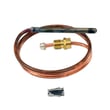
- Thermocouple: signals the gas control that the pilot flame is present
- Gas control valve/thermostat: regulates gas flow and water temperature
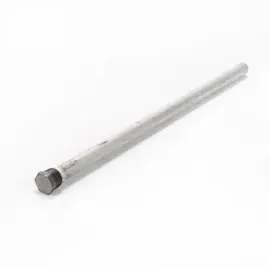
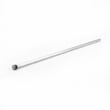
- Anode rod: helps protect the tank from corrosion
- Drain valve: allows draining for maintenance and sediment removal
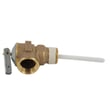
- T&P relief valve: safety valve that relieves excess temperature/pressure
Common replacement parts for this model
| Symptom | Likely part area | Example part for BFG1H4040T3NOV |
|---|---|---|
| Pilot will not stay lit | Flame sensing/thermocouple | Nat gas th 100108267 |
| No spark at pilot | Piezo igniter system | Water heater piezo igniter bracket 100093718 |
| Pilot/ignition problems | Pilot assembly/igniter | Water heater pilot igniter 100110936 |
| Water leaks from relief line | Safety relief | T&p valve 100108279 |
| Rusty water, faster tank corrosion | Corrosion protection | Anode rod 100108260 |
Safety and “do not repair” situations
Gas water heaters are repairable, but some conditions require professional service or full replacement.
- If any part has been under water, do not operate the heater
- If gas controls, main burner, or pilot were submerged, replace the entire water heater
- If the heater sat unused for 2 weeks or more, run hot water at a faucet for several minutes before using appliances (reduces hydrogen gas risk)
What to check before ordering parts
- Confirm the exact model: BFG1H4040T3NOV (data plate is typically near the gas control valve/thermostat)
- Match the symptom to the system (pilot, gas valve, venting, plumbing)
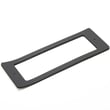
- Inspect gaskets and connections during reassembly; the manifold door gasket must seal with no gaps
Why it matters
Replacing the right part can fix no-heat or pilot issues, stop leaks, and improve reliability. Just as important, correct reassembly and safety checks help prevent gas leaks, flame rollout, and unsafe venting.
Last updated: February 2026
How much should a 40 gallon gas hot water heater cost?
A 40-gallon gas water heater like the American BFG1H4040T3NOV typically runs about $500 to $1,200+ for the unit, depending on warranty length and efficiency; installed cost commonly lands around $1,500 to $3,000+ once labor, venting, gas piping, and code items are included. Use the BFG1H4040T3NOV owner's manual to confirm installation requirements that can affect total cost.
What changes the price the most
- Efficiency level (standard vs. higher-efficiency models)
- Warranty length (often correlates with build features)
- Venting type and condition (draft hood/vent connector/chimney work)
- Gas line sizing or upgrades (pipe capacity must match the heater’s BTU input)
- Local code items (drip leg/sediment trap, shutoff valve, expansion control)
- Labor complexity (tight space, relocation, disposal, permits)
Typical cost ranges (unit vs. installed)
| Scenario | What you’re paying for | Typical total |
|---|---|---|
| Unit only | Water heater tank and factory controls | $500 to $1,200+ |
| Basic replacement install | Swap-out in same location with minimal updates | $1,500 to $3,000+ |
| Complex install | Venting changes, gas line work, code upgrades | $2,500 to $5,000+ |
Model-specific items that can add cost on a gas water heater
Your BFG1H4040T3NOV is a Category I, non-direct vent gas water heater; that means it relies on proper combustion air and venting. If those items are not already correct, the install price goes up.
Common add-ons include:
- Replacing a damaged draft hood (example part: draft hood 100111362)
- Replacing a leaking or outdated relief valve (example part: t&p valve 100108279)
- Adding thermal expansion control in a closed plumbing system (often an expansion tank)
Why it matters
The cheapest heater is not always the lowest total cost. Installation requirements (venting, combustion air, and gas supply sizing) drive real-world pricing and also affect safety and performance.
Last updated: February 2026
How to tell if a gas water heater is going bad?
If your American gas water heater model BFG1H4040T3NOV is going bad, you’ll usually notice reduced hot water, new rumbling or popping noises from sediment, repeated pilot outages, or leaking at the tank or safety valve. Confirm safe operating checks and maintenance steps in the BFG1H4040T3NOV owner's manual.
Common warning signs to watch for
- Not enough hot water or hot water runs out faster than normal
- Knocking, rumbling, or popping (often sediment buildup on the tank bottom)
- Rusty or gritty hot water (can point to internal corrosion)
- Pilot won’t stay lit or the burner shuts down unexpectedly
- Water around the heater (tank leak, valve leak, or piping connection leak)
- T&P relief valve dripping (may indicate overheating or pressure issues)
Quick checks (safe, homeowner-friendly)
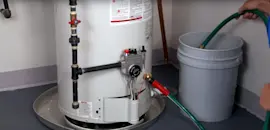
- Listen for noise: Sediment can create noise and can contribute to premature tank failure; flushing helps.
- Look for leaks: Check the drain valve, T&P valve discharge pipe, and fittings above the heater.
- Check the pilot behavior: If the pilot repeatedly goes out, the safety system can shut gas off when it doesn’t sense flame.
- Smell for gas near floor level: Gas can collect low; follow the lighting and safety instructions exactly.
What the symptom often points to
| Symptom | Most likely cause | What we typically do next |
|---|---|---|
| Popping/rumbling | Sediment buildup | Drain and flush the tank per the manual |
| Pilot won’t stay lit | Weak thermocouple, pilot/igniter issue | Inspect/replace ignition parts; service may be required |
| Dripping at relief line | Over-temp/over-pressure or failing valve | Test system conditions; replace valve if needed |
| Water on floor | Valve/fitting leak or tank failure | Identify source; tank leaks usually mean replacement |
Parts that commonly fail when performance drops
- Thermocouple: nat gas th 100108267 helps prove the pilot flame is present; if it fails, gas shuts off.
- Pilot/ignition components: water heater pilot igniter 100110936 (or the alternate igniter option for this model).
- Gas control valve: water heater natural gas valve 100093794 (use only factory-authorized replacements for Flame Lock systems).
- Safety relief: t&p valve 100108279 if the valve itself is leaking or won’t reseat.
- Drain valve: drain valve 100109106 if seepage is coming from the drain outlet.
Why it matters
A failing gas water heater can create unsafe conditions (overheating, combustion problems, or gas leaks) and can also cause water damage. Catching symptoms early helps you decide between a repair (pilot/thermocouple/valve) and full replacement (tank corrosion or tank leak).
Last updated: February 2026
Is it cheaper to repair or replace a water heater?
For the American BFG1H4040T3NOV gas water heater, repairing is usually cheaper upfront, but replacement is the better value when the tank is leaking, the unit is very old (typically 10 to 12 years), or safety-related components have been compromised (such as after flooding). Use the BFG1H4040T3NOV owner’s manual to confirm safety guidance and service limits.
Quick decision guide (repair vs. replace)
- Repair when the issue is a serviceable part (pilot/ignition, thermocouple, drain valve, gas valve) and the tank is not leaking.
- Replace when the tank leaks, the heater has flood damage, or repeated failures make repairs frequent.
- Replace if the heater was submerged or gas controls were under water; the manual calls for replacement in flood conditions.
- Repair when maintenance items are due (anode rod inspection/replacement) and the heater is otherwise sound.
- Replace when corrosion is advanced (rusty water plus seepage at the tank body) because parts will not stop a tank failure.
Typical cost comparison (what you pay for)
| Option | What it usually includes | Best when |
|---|---|---|
| Repair | One part plus labor (often same-day) | No leak; clear failed component |
| Replace | New water heater plus installation updates | Tank leak, flood exposure, or end-of-life |
Repairs that often make sense on this model
These are common, targeted fixes for a standing-pilot gas water heater like the BFG1H4040T3NOV:
- Pilot will not stay lit: inspect/replace the nat gas th 100108267 (thermocouple)
- Ignition problems: check the pilot/igniter assembly (model uses a pilot igniter)
- Water won’t drain or drain valve leaks: replace the drain valve 100109106
- Odor or faster tank corrosion: inspect/replace the anode rod 100108260 (manual recommends inspection about every 3 years)
Why it matters
A repair restores heat, but it cannot reverse tank corrosion. Replacing at the right time prevents water damage from a tank leak and addresses safety situations the manual flags (especially flood exposure and compromised gas controls).
Last updated: February 2026
What is the average labor cost to install a 50 gallon gas water heater?
Labor to install a 50-gallon gas water heater typically runs about $400 to $1,000+ in many U.S. markets. For an American BFG1H4040T3NOV gas water heater, labor goes up when the job needs gas piping changes, venting work, or code-required safety upgrades; those items often drive the biggest swings in price.
What changes the labor price most
- Venting: new draft hood/vent connector, chimney liner, or re-routing to meet clearance rules
- Gas line work: resizing pipe, adding shutoff/sediment trap, longer runs (more fittings and labor)
- Water piping: replacing corroded shutoffs, adding unions, reworking copper/PEX transitions
- Location changes: moving the heater, adding a drain pan, or adding a drain line
- Permits and inspection: time and scheduling (sometimes billed separately)
- Disposal and haul-away: old tank removal, stairs, tight access
Typical cost ranges (labor only)
| Install scenario | What’s included | Typical labor range |
|---|---|---|
| Straight swap | Same location, existing vent and gas line usable | $400 to $700 |
| Moderate complexity | Some piping/vent adjustments, new shutoffs or fittings | $700 to $1,200 |
| High complexity | New venting approach, significant gas line changes, relocation | $1,200 to $2,500+ |
Model-specific details that affect install scope
Your BFG1H4040T3NOV is a Category I, non-direct vented gas water heater and must be installed to applicable codes (commonly the National Fuel Gas Code). We use the BFG1H4040T3NOV owner's manual to confirm venting approach, combustion air needs, and the installation checklist before quoting labor.
Quick pre-quote checklist (what to measure or photograph)
- Existing vent size and route (number of elbows, total length)
- Gas pipe size and approximate run length from meter/regulator
- Water shutoff condition and pipe material (copper, galvanized, PEX)
- Presence of a drain pan and where it drains
- Access issues (closet door width, stairs, attic, crawlspace)
Why it matters
Gas water heater installs are priced by risk and time. Venting and gas supply are safety-critical, and even small changes (like resizing a gas line) can add significant labor. If you suspect ignition or pilot issues after installation, parts such as the water heater pilot igniter 100110927 or nat gas th 100108267 are common service items, but they are separate from installation labor.
Last updated: February 2026
What is the average lifespan of a 40 gallon water heater?
A 40-gallon tank water heater typically lasts 8 to 12 years for gas and 10 to 15 years for electric. For your American BFG1H4040T3NOV gas water heater, regular maintenance (especially anode rod inspection) is the biggest factor in reaching the upper end of that range; see the BFG1H4040T3NOV owner's manual.
Typical lifespan by type (quick reference)
| Water heater type | Typical lifespan | What usually ends its life |
|---|---|---|
| Gas tank (40-gallon class) | 8 to 12 years | Tank corrosion, burner or gas control issues |
| Electric tank (40-gallon class) | 10 to 15 years | Tank corrosion, element or thermostat failures |
What extends the life of this model
The manual for the BFG1H4040T3NOV calls out anode rod inspection as a key maintenance item because the anode protects the glass-lined tank from corrosion.
- Inspect the anode rod about every 3 years.
- Replace the anode rod if it is more than 50% depleted.
- Drain a few gallons before anode service to reduce mess and pressure.
- Keep the burner area and combustion air openings clear (safe, steady combustion helps overall reliability).
- Address water quality issues (hard water and softened water can accelerate corrosion and sediment problems).
If you are planning maintenance, the correct replacement part for this model is the anode rod 100108260.
Signs you are near end-of-life
These symptoms often show up as the tank and internal components age:
- Rust-colored hot water or metallic odor
- Rumbling or popping sounds (sediment buildup)
- Water around the base of the heater (possible tank leak)
- Pilot problems or frequent shutdowns
- Temperature swings or reduced hot water capacity
Why it matters
Once the tank starts corroding internally, repairs stop being cost-effective because a tank leak is not a serviceable failure. Staying on top of the anode rod is the most direct way to delay corrosion and get the full expected lifespan from a 40-gallon gas water heater.
Last updated: February 2026
What is the most common problem with gas water heaters?
Sediment buildup in the bottom of the tank is the most common issue we see with gas water heaters like the American BFG1H4040T3NOV. It reduces heating efficiency, can cause popping or rumbling noises, and accelerates wear on components such as the drain valve and gas control system.
What you’ll notice when sediment is the problem
- Water takes longer to heat or runs out faster than normal
- Popping, crackling, or rumbling during burner operation
- Lukewarm or fluctuating hot water during short draws (sometimes called “stacking”)
- Discolored water after heavy use or after the heater sits
- Reduced flow when draining or flushing the tank
What to do first (safe, practical steps)
We recommend following the maintenance and safety guidance in the BFG1H4040T3NOV owner's manual.
- Set temperature to a safe starting point (120°F is the typical baseline)
- If the heater has been unused for 2 weeks or more, run hot water at a sink for several minutes before using any appliance connected to hot water (hydrogen gas risk)
- If you suspect overheating or the gas control does not shut off, turn off the manual gas control valve and use a qualified technician
- If the unit has been under water or gas controls were submerged, replace the water heater (do not operate it)
Parts that commonly get involved
Sediment itself is not a “part,” but it often leads to leaks or service needs around these items:
| Symptom | Commonly affected area | Example part for this model |
|---|---|---|
| Won’t drain or drips at drain | Drain outlet | Drain valve 100109106 |
| Water odor (“rotten egg” smell) or faster tank corrosion | Tank protection | Anode rod 100108260 |
| Pilot issues after repeated cycling | Ignition system | Water heater pilot igniter 100110936 |
Why it matters
Sediment acts like insulation between the burner heat and the water, so the burner runs longer and hotter to do the same job. That wastes gas, increases temperature swings, and can shorten the life of the tank and key components.
Last updated: February 2026