



How do I clear the error code on my KitchenAid oven?
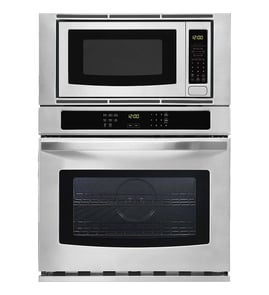
To clear an error code on your KitchenAid KOCE500ESS22 wall oven/microwave combo, we recommend a hard reset: turn the circuit breaker(s) off for 1 minute, then turn them back on and watch the display for about 1 minute to see if the code returns.
- Turn OFF the circuit breaker(s) that power the oven.
- Wait 1 full minute.
- Turn ON the circuit breaker(s).
- Monitor the display for about 1 minute.
- If the code returns, the control is detecting an active fault (not just a brief glitch).
A repeating code after a reset usually points to a condition the oven or microwave is still sensing, such as a temperature sensing issue, an over-temperature protection trip, or a control interface problem.
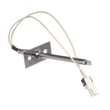
- If baking temperature seems off or the code relates to temperature, check the oven sensor circuit; a failed sensor can trigger repeat faults.
- If the unit overheats, a high-limit thermostat can open to protect the appliance.
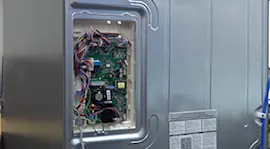
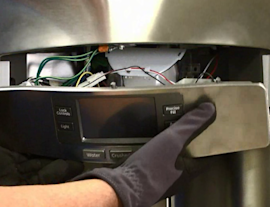
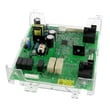
- If the touch panel is unresponsive or the display behaves erratically, the control panel assembly can be involved.
| Symptom you notice | Part to consider for KOCE500ESS22 |
|---|---|
| Oven temperature seems wrong, cooking is inconsistent | Temperature sensor W11233913 |
| Overheating, thermal shutdown behavior | Range high-limit thermostat WP4449751 |
| Touch panel or display problems | Assembly, control panel (includes overlay) (stainless) W11600634 |
Resetting clears a one-time control glitch (like a brief power interruption). If the code returns, it helps narrow troubleshooting to the circuit or component the appliance is monitoring so you can fix the cause instead of repeatedly resetting.
Last updated: January 2026
What are the disadvantages of a microwave oven combo?
A microwave wall oven combo like KitchenAid KOCE500ESS22 saves space, but the main disadvantages are higher purchase and installation costs, fewer layout options, and more downtime risk because one built-in unit contains two major appliances.
- Higher upfront cost than buying a separate wall oven and countertop or built-in microwave.
- More complex installation; cabinet cutout, electrical supply, and ventilation clearances must all be right.
- Single point of failure; if the combo needs service, you can lose both oven and microwave use at once.
- Harder access for some users; the microwave is often mounted higher than a typical countertop unit.
- Fewer replacement flexibility options; you generally replace with a similar combo size and style.
Even though KOCE500ESS22 is serviceable, combo units can be more involved to diagnose because they include high-heat oven components and microwave safety interlocks.
- Microwave door issues can involve the switch W10211972 (door interlock switch).
- No-heat or uneven baking can point to an oven heating circuit such as the range bake element W11545804.
- A dead microwave can sometimes relate to a blown fuse such as fuse mda 20a W11188752 (after proper diagnosis).
| Factor | Combo unit | Separate units |
|---|---|---|
| Space | One built-in cutout | More placement options |
| Cost | Typically higher | Often lower overall |
| Downtime risk | Higher (one unit affects both) | Lower (appliances independent) |
| Installation | More demanding | Can be simpler depending on setup |
A wall oven/microwave combo is a great fit when you want a clean built-in look and limited kitchen space, but the tradeoff is commitment to that cabinet configuration and potentially higher service complexity over the life of the appliance.
Last updated: January 2026
What is the lifespan of a KitchenAid oven?
A KitchenAid electric wall oven like model KOCE500ESS22 typically lasts 13 to 15 years with normal household use and basic maintenance. Because this is an electric oven/microwave combo, heavy self-clean use and frequent high-heat cooking can shorten component life.
- Electric ovens: 13 to 15 years
- Gas ovens: 15 to 17 years (simpler heating system)
- Combo units (oven + microwave): plan around the oven range, but the microwave section may need service sooner
- How often you run self-clean (high heat stresses wiring, sensors, and controls)
- Keeping vents clear so the cooling system can move air
- Door seal condition (heat loss makes the oven work harder)
- Power quality (surges can damage control boards)
- Promptly fixing heating issues (running with a weak element can strain other parts)
If performance drops, these are the types of parts we usually check first on an electric wall oven/microwave combo:
- Heating elements (bake, broil, convection)
- Temperature sensors and thermostats
- Cooling fan and related airflow parts
- Control panel or electronic control
- Door components (hinges, glass, latch)
Here are two examples of model-matched parts that can restore performance when symptoms show up:
| What you notice | Often repairable? | Common next step |
|---|---|---|
| Oven not heating evenly | Yes | Test element and sensor |
| Oven overheats or underheats | Yes | Check sensor/thermostat |
| Display/control issues | Sometimes | Inspect control panel and wiring |
| Multiple failures close together | Less likely | Compare repair cost to replacement |
Knowing the expected lifespan helps you decide whether a symptom is a simple wear item (like an element or sensor) or a sign the unit is nearing the end of its service life, especially if multiple components start failing within the same year.
Last updated: January 2026