
Is the Tuff Torq K58G a good transmission?
Yes. The Tuff Torq K58G transaxle is a solid residential-grade transmission when it’s matched to the right riding mower or tractor and kept maintained; it’s designed to be compact while using upgraded internal materials for durability. For performance issues, we focus first on linkage, fluid condition, and wear parts.
What “good” means for a K58G transaxle
A K58G is considered a good choice when you want dependable drive and smooth speed control in typical homeowner use (flat to moderately sloped yards, normal towing, and regular mowing). Like any hydrostatic transaxle, it performs best when heat is managed and the drivetrain is kept clean and properly adjusted.
Common strengths
- Compact design that fits many residential tractor frames
- Hydrostatic drive feel (smooth starts and speed changes)
- Serviceable wear components (shafts, gears, bearings, valves)
- Parts support for drivetrain repairs and rebuilds
Quick checks if the mower feels weak or inconsistent
Before assuming the whole transmission is “bad,” we recommend these practical checks:
- Verify the drive belt and idlers are in good condition and properly tensioned
- Confirm the freewheel/bypass control is fully disengaged (pushed back in) for driving
- Inspect the control linkage for binding or misadjustment (control arm and lever)
- Check for oil seepage around the case and axle seals
- Clean debris from the transaxle area to improve cooling airflow
Parts that often matter in K58G drivetrain performance
If you’re troubleshooting slipping, noise, or poor drive, these model-matched parts are common repair starting points:
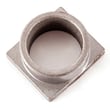
- Tuff torq filter TT-187Q0024950
- Vent valve TT-168T2024250
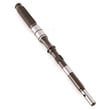
- Brake shaft TT-1A646036171
- Tuff torq reduction gear TT-187Q0033451
Symptom-to-part starting points
| Symptom | What to check first | Example part on this model page |
|---|---|---|
| Weak drive, surging | Fluid condition, filtration, venting | Filter, vent valve |
| Grinding/clicking | Gear wear, axle gear set | Reduction gear, final gear |
| Won’t hold on slope/parking | Brake linkage and brake shaft | Brake shaft |
Why it matters
A “good” transmission is one that matches your workload. When a K58G is pushed beyond residential use (heavy towing, steep hills, long run times in high heat), wear accelerates and performance drops. Keeping the filter and venting in good shape helps protect the hydrostatic pump and gears.
Last updated: February 2026
What oil to use in a Tuff Torq transmission?
For the Tuff TORQ K58G transaxle, use Tuff Torq hydrostatic transmission oil (hydrostatic fluid) when refilling after service. The correct hydrostatic oil protects the pump, motor, and gears from wear, and it helps control heat and noise under load.
What to use (and what not to use)
Use a dedicated hydrostatic transmission oil intended for Tuff Torq-style transaxles.
- Use: Tuff Torq hydrostatic oil (hydrostatic transmission fluid)
- Do not use: engine oil (SAE 10W-30, 5W-30), gear oil (80W-90), or “universal” hydraulic oil unless it is specifically approved for hydrostatic transaxles
- Keep the oil clean; dirt or metal debris can damage the hydrostatic pump and motor
- If your setup uses a serviceable filter, replace it during the oil service
Parts commonly handled during an oil service
If you are servicing the case, magnet area, or filter, these parts are commonly involved.
Quick symptom check after refilling
| Symptom after service | Most likely cause | What to do |
|---|---|---|
| Jerky movement or surging | Air trapped in system | Purge air by cycling forward and reverse per mower procedure |
| Whine that gets louder when hot | Low oil level or aeration | Recheck level, inspect for leaks, confirm venting |
| Loss of drive power | Wrong fluid or low level | Drain and refill with correct hydrostatic oil; verify level |
Why it matters
Hydrostatic transaxles like the K58G rely on the right oil viscosity and additives for pump efficiency and internal lubrication. Using the correct fluid prevents overheating, protects internal surfaces, and maintains consistent drive performance.
Last updated: February 2026
How do I find the model number on my K58G?
The model number for your Tuff Torq transaxle is typically on an ID label or tag attached directly to the transaxle housing; on a K58G, it’s most often on the top or side of the case near the input pulley or axle area. Clean the area and read the full code exactly as printed.
Where to look on the transaxle
Check these common label locations on a Tuff Torq K58G:
- Top of the transaxle case, near the fan or input pulley
- Side of the case near one of the axle shafts
- Rear face of the housing near the brake arm or control linkage
- On a metal tag held by a bolt, or a printed sticker on the housing
- Near the vent area (sometimes close to the vent valve)
If the label is missing or unreadable, we use the mower’s model information plus the transaxle’s physical features (pulley style, control lever shape, axle type) to match parts.
Tips to read the label correctly
A dirty or faded tag is the most common issue. These steps make the number readable without damaging the label:
- Brush off heavy debris first, then wipe with a rag
- Use a flashlight at a low angle to highlight stamped characters
- Take a close-up photo and zoom in to confirm letters and dashes
- Write down the entire string (including hyphens and suffixes)
- Compare what you wrote to the parts listing before ordering
What to do if you can’t find a tag
If you cannot locate a transaxle tag, use the mower/tractor model number and then confirm the drivetrain parts by diagram and description.
| What you have | What to use for parts lookup | Why it helps |
|---|---|---|
| Transaxle tag shows “K58G” | K58G model number | Direct match to the transaxle parts list |
| Tag missing or unreadable | Mower/tractor model number | Lets us narrow to the correct transaxle family |
| Parts worn or broken | Visual match plus part description | Prevents ordering the wrong pulley, shaft, or gear |
Why it matters
Tuff Torq transaxles can look similar across models, but internal parts (gears, shafts, seals, and control components) vary. Confirming “K58G” helps ensure the correct fit for items like the vent valve TT-168T2024250 or Tuff torq filter TT-187Q0024950.
Last updated: March 2026