


What is the most expensive part to fix on a furnace?
On an Icp gas furnace like model NTC5100BFD1, the most expensive single repair is typically the heat exchanger, because it is a major sealed component and the job is labor-intensive. Other high-cost repairs often involve the blower motor and gas valve.
Most expensive furnace parts (typical)
These are the repairs that most often drive the highest total cost (part plus labor):
- Heat exchanger: usually the top-cost repair
- Blower motor: high part cost and time to replace
- Gas valve: expensive part and requires careful setup
- Control board (if equipped): can be costly and diagnosis-sensitive
- Inducer motor (if equipped): moderate-to-high cost depending on design
For this model, a common “big ticket” part on the parts list is the heat exchange 1014491.
Quick comparison: cost drivers
| Component | Why it gets expensive | What you may notice |
|---|---|---|
| Heat exchanger | Major component, significant disassembly | Furnace runs but shuts down, unusual odors, poor heat output |
| Blower motor | High part cost, wiring and mounting time | Weak airflow, overheating trips, squealing or grinding |
| Gas valve | Precision gas control component | No heat, intermittent ignition, burners not staying lit |
Why it matters
When a furnace repair involves a major component (especially the heat exchanger), the total cost rises fast because the work includes more teardown, more setup checks, and more time verifying safe operation. Knowing the likely high-cost parts helps you prioritize diagnosis before buying parts.
What we recommend before replacing an expensive part
- Confirm the thermostat is calling for heat and the filter is not restricted
- Check for simple airflow issues (blocked returns, closed registers)
- Look for repeated high-limit trips; this can point to airflow or blower problems
- Use proper electrical testing before replacing controls or motors
- If you suspect a gas valve or heat exchanger issue, have a qualified technician diagnose it
Last updated: February 2026
What is the most common part to fail on a furnace?
The most common “failure” on a gas furnace is actually restricted airflow from a dirty air filter, which overheats the furnace and trips a safety shutdown. For the Icp NTC5100BFD1, the most commonly replaced parts after airflow issues are ignition components, limit switches, and blower components such as the motor or run capacitor.
What fails most often (and what it looks like)
- Air filter (maintenance item): furnace starts, then shuts off; limit trips from overheating.
- Flame sensor or igniter: burners light briefly, then go out; repeated ignition attempts.
- Limit switch: furnace shuts down mid-cycle; may restart after cooling.
- Blower motor or capacitor: weak airflow, humming, or blower not starting.
- Gas valve or control timing issues: no heat call response or inconsistent burner operation.
Quick checks we recommend before replacing parts
- Replace the air filter and confirm all supply and return vents are open.
- Verify thermostat settings (heat mode, setpoint above room temp).
- Check the furnace door is fully seated (many units have a door safety switch).
- If the blower will not start, inspect the run capacitor and motor wiring.
- If the furnace lights then shuts off, focus on ignition sensing and high-temperature safety.
Common replacement parts for this model
These are frequently involved when a furnace will not heat or will not move air properly:
| Symptom | Likely area | Example part on this model page |
|---|---|---|
| Blower will not start, hums | Blower electrical | Cap rnrd 12907 |
| Weak or no airflow | Blower drive | Motor 1013341 |
| Short cycling, overheats | Safety limit | Limit switch 1013102 |
Why it matters
Airflow problems can mimic “bad parts” and repeatedly trip safeties, which increases wear on ignition components and can overheat the heat exchanger. Starting with airflow and basic electrical checks helps you fix the real cause and avoid unnecessary part replacement.
Last updated: February 2026
What are the parts of the furnace?
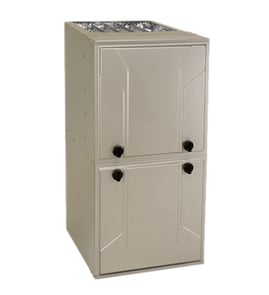
An Icp gas furnace like model NTC5100BFD1 is built around a heat-producing section (burners and heat exchanger) and an air-moving section (blower and controls). Key parts include the gas valve, ignition/flame-sensing components, safety limit switches, and the blower motor and wheel.
Main furnace parts and what they do
- Burner assembly: mixes gas and air and creates the flame.
- Heat exchanger: transfers heat to the air moving through the furnace.
- Blower assembly: pushes heated air through your ductwork (motor plus blower wheel).
- Ignition and flame proving: lights the burners and confirms flame is present.
- Gas valve: opens and regulates gas flow to the burners.
- Safety controls: shut the furnace down if it overheats or a condition is unsafe.
- Fan control/timer and other controls: manage blower timing and furnace operation.
Model NTC5100BFD1 parts you will commonly see on this parts list
These are examples of real components for this model that match the major systems above:
| Furnace system | Example part on this model | What a problem can look like |
|---|---|---|
| Air movement | Motor 1013341 | Weak airflow, squealing, blower not running |
| Air movement | Furnace blower fan wheel 601210 | Rattling, vibration, poor airflow |
| Ignition/flame proving | Furnace pilot igniter and sensor 1009524 | No ignition, short cycling, burners won’t stay lit |
| Gas delivery | Valve 1170430 | No heat call response, burners never light |
| Overheat safety | Limit switch 1013102 | Furnace shuts off, blower runs but no heat |
| Heat transfer | Heat exchange 1014491 | Poor heating performance, frequent limit trips |
Quick way to identify what you are looking at
- Behind the lower door: blower motor, blower wheel, run capacitor, fan control.
- Near the burners: igniter/sensor, pilot/burner components, gas valve.
- Mounted on the furnace body or plenum area: limit switches.
Why it matters
Knowing the major sections helps you troubleshoot faster and order the right replacement part for your Icp NTC5100BFD1 gas furnace, especially when symptoms point to airflow (blower parts) versus ignition or safety shutdowns.
Last updated: February 2026
What are the most common furnace repairs?
For the Icp gas furnace model NTC5100BFD1, the most common repairs involve airflow problems (dirty filter or blower issues), ignition and flame-sensing problems, and safety shutdowns from overheating. Many “no heat” calls trace back to the blower motor circuit, the igniter/sensor, or a limit switch.
Most common repairs we see (and what they look like)
- Airflow restriction: weak airflow, overheating, short cycling (often leads to limit trips).
- Blower problems: no air movement, loud rumble, or the blower runs but heat is inconsistent.
- Ignition or flame-sensing issues: furnace tries to start, then shuts down after a few seconds.
- Overheat limit trips: burners shut off, blower may keep running to cool the furnace.
- Electrical control issues: intermittent operation, delayed blower timing, or no response to a heat call.
Parts that commonly solve these symptoms on NTC5100BFD1
If troubleshooting points to a failed component, these are common replacement categories for this model:
| Symptom | Common suspect | Example part on this model |
|---|---|---|
| Blower will not run or hums | Run capacitor or blower motor | Cap rnrd 12907, motor 1013341 |
| Burners light then shut off | Igniter/sensor or pilot burner | Furnace pilot igniter and sensor 1009524, furnace pilot burner 1149856 |
| Burners shut off from overheating | Temperature limit switch | Limit switch 1013102 or limit switch 1013105 |
| Blower runs but airflow is poor/noisy | Blower wheel or blower housing issues | Furnace blower fan wheel 601210 |
Quick checks before replacing parts
- Replace or clean the air filter and make sure all supply and return vents are open.
- Confirm the thermostat is calling for heat and the furnace door switch is fully engaged.
- Inspect the blower compartment for dust buildup and a loose blower wheel.
- If the furnace is cycling off, check for signs of overheating (hot cabinet, frequent limit trips).
- For electrical testing, use safe meter practices; our how to use a multimeter to test electrical parts video helps you verify components like a capacitor or limit switch.
Why it matters
A furnace that is overheating, short cycling, or failing ignition often stresses other components. Fixing airflow first prevents repeat failures of parts like a limit switch, blower motor, or igniter/sensor.
Last updated: February 2026