 Error Codes
How much should a 40 gallon water heater cost?
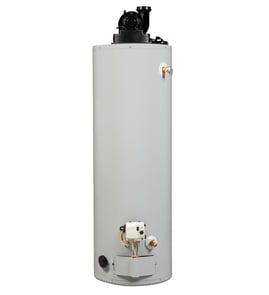
A 40-gallon gas water heater like the Rheem 21V40-5 typically costs about $400 to $900 for the tank only, and about $1,000 to $2,500 installed in many homes. Total price rises fast when venting, gas piping, or code upgrades are needed.
What drives the installed price up or down
Installed cost is mostly labor plus any required materials beyond the heater itself.
- Type of venting (atmospheric vs. power vent) and whether the vent must be modified
- Gas line work (new shutoff, sediment trap, resizing, or rerouting)
- Water piping changes (copper, PEX, dielectric unions, shutoff valve)
- Code-required add-ons (expansion tank, drain pan, seismic straps, T&P discharge piping)
- Location and access (attic, crawlspace, tight closet, stairs)
- Disposal and haul-away of the old tank
Typical cost ranges (quick guide)
| Scenario | Tank-only cost | Typical installed total |
|---|---|---|
| Straight swap, easy access | $400 to $900 | $1,000 to $1,800 |
| Some venting or piping changes | $500 to $1,100 | $1,600 to $2,500 |
| Major venting, gas, or code work | $600 to $1,300+ | $2,500 to $3,000+ |
Why it matters
A low quote can mean important safety items are being skipped, while a high quote often reflects real work like venting changes or gas line modifications. Comparing quotes is easiest when you confirm the exact scope: venting, gas piping, and code items.
Parts vs. replacement: when a repair makes sense
If your Rheem 21V40-5 is leaking from the tank, replacement is the practical fix. If you are dealing with performance issues (slow hot water recovery, lukewarm water, sediment), a repair may help. Common service parts you can price out for this model include the drain valve 100108605 (useful for flushing) and the dip tube SP11248R (helps deliver incoming cold water to the bottom of the tank).
Last updated: February 2026
What brand of gas water heater is the most reliable?
The most reliable gas water heater brand is the one that matches your home’s water conditions, is installed correctly, and can be maintained with readily available parts. For many homeowners, Rheem is a dependable choice; keeping a Rheem 21V40-5 running strong often comes down to routine maintenance and timely replacement of wear items like the dip tube SP11248R.
What “most reliable” really means for gas water heaters
Reliability is usually driven more by installation and maintenance than the logo on the tank. We see the best long-term results when these basics are handled well:
- Correct gas type and proper venting (draft and combustion air)
- Stable water pressure and a working thermal expansion setup (when required)
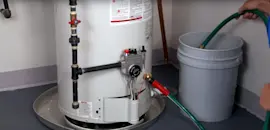
- Regular tank flushing to reduce sediment
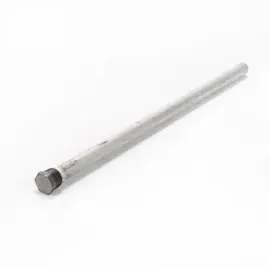
- Anode rod checks and replacement on schedule
- Fast repair access to common service parts (valves, tubes, doors)
Brand comparison: what to look for
Different brands can be solid; the practical difference is often parts availability, serviceability, and how well the unit fits your usage.
| What you care about | What to check before you buy | Why it affects reliability |
|---|---|---|
| Parts availability | Common parts stocked and easy to identify by model | Faster repairs, less downtime |
| Tank protection | Lining, anode strategy, and maintenance access | Slows corrosion and leaks |
| Burner and controls | Simple access panels, stable ignition, clean combustion | Fewer nuisance shutdowns |
| Warranty terms | Length and what is covered | Predictable ownership costs |
How to make any brand last longer
These steps improve reliability on most 40-gallon gas tank water heaters, including the Rheem 21V40-5:
- Flush a few gallons from the tank periodically to reduce sediment buildup.
- Watch for “hot water runs out fast”; that often points to a failed dip tube.
- Replace a leaking or hard-to-operate drain valve instead of forcing it.
- Keep the burner area clean and the access door properly in place.
- Address small leaks immediately to prevent corrosion and damage.
Common reliability-related parts for this model
- Dip tube SP11248R (helps deliver cold water to the bottom of the tank for proper heating)
- Drain valve 100108605 (used for flushing and draining; leaks and clogging are common failure points)
Why it matters
A “reliable” gas water heater is one that delivers consistent hot water without frequent shutdowns or premature tank failure. Choosing a brand with good parts support and doing basic upkeep typically adds years of dependable service.
Last updated: February 2026
What is the life expectancy of a 40 gallon gas water heater?
A 40-gallon gas water heater typically lasts 10 to 12 years. For a Rheem 21V40-5 (40-gallon efficient V gas water heater), consistent maintenance can push service life toward the high end, while hard water, heavy use, and skipped maintenance shorten it.
Typical lifespan ranges
Here’s what we see most often for tank-style gas water heaters:
| Condition | Typical life expectancy | What usually drives it |
|---|---|---|
| Well-maintained | 12 to 15 years | Regular flushing, timely part replacement |
| Average use/maintenance | 10 to 12 years | Normal sediment buildup over time |
| Hard water or neglected | 6 to 10 years | Heavy sediment, corrosion, overheating |
Maintenance that extends life
These steps reduce sediment, corrosion, and overheating (the most common tank killers):
- Flush a few gallons from the tank periodically to reduce sediment.
- Use the drain valve for controlled draining; replace it if it won’t open/close cleanly (see drain valve 100108605).
- Keep the burner area and access opening clear; reinstall the access door properly after service.
- Watch hot water quality and temperature stability; sudden changes often point to internal wear.
- Address slow hot water recovery early; it can be a sign of sediment or dip tube issues.
Signs it’s near end of life
Plan for repair or replacement when you notice:
- Rust-colored water or metallic odor from hot taps
- Rumbling or popping sounds (sediment “kettling”)
- Water around the base of the tank
- Frequent pilot or heating interruptions
- Hot water runs out faster than it used to
Parts that commonly affect performance
Some parts do not “set” the lifespan, but they strongly affect day-to-day performance and stress on the tank:
- Dip tube: If hot water runs out quickly, a failed dip tube can be a cause (see dip tube SP11248R).
- Drain valve: A leaking or seized valve makes flushing difficult and can cause nuisance leaks (see drain valve 100108605).
Why it matters
Once a tank begins corroding internally, performance issues often accelerate. Staying ahead of sediment and small leaks helps your Rheem 21V40-5 run efficiently and reduces the chance of an unexpected loss of hot water.
Last updated: February 2026
What is the most common problem with gas water heaters?
The most common gas water heater problem is no hot water or not enough hot water, usually caused by a pilot light that will not stay lit, a dirty burner, or a failing gas control/thermostat. On Rheem model 21V40-5, sediment buildup can also reduce heating performance.
Quick checks we recommend first
- Confirm the gas shutoff valve is fully open.
- Make sure the pilot is lit (and stays lit after releasing the button).
- Listen for rumbling or popping (often points to sediment).
- Check for water around the base, fittings, or the drain outlet.
- Verify the temperature setting is not turned down too low.
Common symptoms and what they usually mean
| Symptom | Most likely cause | What to do next |
|---|---|---|
| No hot water | Pilot out, gas supply off, failed gas control | Relight pilot; if it will not stay lit, schedule service |
| Not enough hot water | Sediment, dip tube issue, thermostat setting | Flush tank; inspect/replace dip tube |
| Rumbling or banging | Sediment on the bottom of the tank | Flush tank until water runs clear |
| Water leaking from drain area | Worn or damaged drain valve | Replace the drain valve |
Parts that commonly help with these issues
If you are troubleshooting lukewarm water or short hot-water runs, the dip tube is a common wear item; it directs incoming cold water to the bottom of the tank so hot water stays at the top.
If you see dripping at the drain outlet or cannot fully close the drain, replacing the drain valve is often the fix.
Why it matters
Gas water heater issues can quickly turn into no hot water, higher gas usage, or water damage from leaks. Catching sediment buildup early also helps the tank heat more efficiently and reduces noise.
Last updated: February 2026