


Why are Tecumseh engines so hard to start?
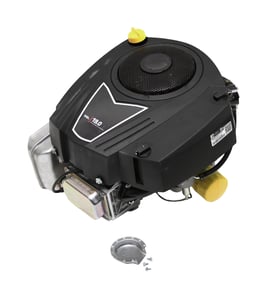
Tecumseh engines like the Tecumseh HSSK50-67403U usually get hard to start when fuel delivery or ignition is weak, or when the engine is fighting excess compression. The most common causes are stale fuel varnishing the carburetor, a restricted tank vent, or a worn ignition component.
Quick checks that fix most hard-start complaints
- Drain old fuel and refill with fresh gasoline (especially after storage).
- Open the fuel cap slightly and try starting; if it improves, the cap vent is restricted.
- Inspect the spark plug; replace if fouled, wet, or heavily carboned.
- Check the air intake path; a dirty filter or blocked intake can make starting harder.
- Verify the stop switch wire is not shorted to ground (a grounded stop wire kills spark).
Carburetor problems are the top culprit
Old fuel leaves varnish that restricts jets and passages, so the engine will only start with choke, starts then dies, or needs repeated pulls.
What to do (common repair path):
- If the carburetor is leaking, badly corroded, or repeatedly plugs up, replace it with the Tecumseh lawn and garden equipment engine carburetor 640084B.
- If the carburetor body is usable, rebuild it with the Tecumseh lawn and garden equipment engine carburetor rebuild kit 632760B.
- Replace sealing surfaces during service to prevent air leaks using the craftsman lawn and garden equipment engine carburetor gasket 26756 and the craftsman lawn & garden equipment engine carburetor o-ring 632547.
Ignition and starting system items to rule out
A weak spark or drag in the starting system can feel like “hard compression” because you have to pull harder and longer.
| Symptom | Most likely area | What we check first |
|---|---|---|
| No start, plug stays dry | Fuel delivery | Carburetor passages, needle/seat |
| Starts only on choke, surges | Lean condition | Carb gasket/O-ring air leak |
| Intermittent spark, dies hot | Ignition | Coil/kill wire |
| Pull rope snaps back | Timing/compression | Flywheel key, compression release |
Why it matters
Hard starting is usually a small issue (fuel varnish, air leak, weak spark) that turns into bigger wear on the recoil starter and flywheel system if you keep forcing it. Fixing the root cause restores normal pull effort and reliable cold starts.
Last updated: February 2026
How to tell the year of the Tecumseh engine?
To tell the year on a Tecumseh engine like model HSSK50-67403U, we use the engine’s ID information (model and spec) plus the serial number or date-of-manufacture code printed on the shroud label or stamped into the blower housing. The serial or date code is what identifies the year.
Where to find the ID code on HSSK50-67403U
Check the engine itself (not the equipment frame). Common locations:
- Blower housing (recoil starter shroud)
- Near the spark plug on the shroud
- Under or beside the carburetor mounting area
- On a metal tag or adhesive label attached to the shroud
If you remove the carburetor for visibility, replace any disturbed seals during reassembly, such as the lawn mower o-ring 631028A.
How to decode the year
Match your code to the format you see on the label:
- Serial number with a 2-digit year: some later serials include a year segment.
- DOM style code (often begins with digits): the leading digits represent the production date, followed by plant/line characters.
- Model and spec only: these identify the build configuration; you still need the serial or DOM code to get the year.
Quick guide
| What you find | What it tells you | Best next step |
|---|---|---|
| Model + spec + serial | Serial usually contains date info | Write down every character exactly |
| Separate DOM/date code line | Direct manufacturing date | Decode the leading digits as the date |
| Stamped numbers only | Often partial ID | Use the most complete code available |
Why it matters
The year and spec help us match the correct fuel and ignition parts for your exact build, including items like the Tecumseh lawn and garden equipment engine carburetor 640084B or the Tecumseh lawn and garden equipment engine carburetor rebuild kit 632760B.
Last updated: February 2026
How many cc is a 5.5 hp Tecumseh engine?
A Tecumseh 5.5 HP engine is typically in the 190 to 200 cc range; the most common displacement you’ll see for this class is about 195 cc. For Tecumseh model HSSK50-67403U, use the engine’s spec number on the ID tag to match the exact build and parts.
Typical displacement for “5.5 HP” Tecumseh engines
Horsepower is an output rating; cc is engine size. Tecumseh used similar displacements across multiple spec versions, so the cc you see depends on the exact spec number.
- Most 5.0 to 5.5 HP Tecumseh snow and small-engine applications: 190 to 200 cc
- A very common published size for 5.5 HP Tecumseh engines: about 195 cc
- Spec number differences can change the rating without changing the cc
Quick reference table
| Advertised HP class | Typical displacement (cc) | Common application |
|---|---|---|
| 3.5 to 4.5 HP | 140 to 160 | Walk-behind mower class |
| 5.0 to 5.5 HP | 190 to 200 | Many snowblower engines |
| 6.0 to 6.5 HP | 200 to 220 | Larger snowblower class |
How to confirm the exact cc for HSSK50-67403U
Use these steps so you’re matching the correct Tecumseh build:
- Find the engine ID label and record the model and spec number
- Use the spec number to select the correct carburetor and fuel-system parts
- If you’re chasing surging, hard starting, or flooding, focus on the carburetor and needle/seat parts first
Parts that commonly apply when tuning or rebuilding fuel delivery on this engine family include:
- Tecumseh lawn and garden equipment engine carburetor 640084B
- Tecumseh lawn and garden equipment engine carburetor rebuild kit 632760B
- Needle valve 631021B
Why it matters
Getting the spec number right prevents mismatched carburetor calibration and gasket/needle parts, which are common causes of hunting, stalling, and fuel leaks on Tecumseh engines.
Last updated: February 2026