Owner’s manual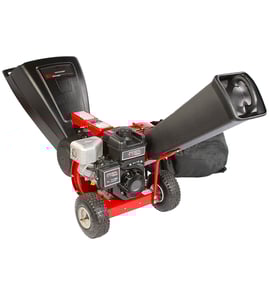

How do I find the model number on my 247795860?
The model number for your Craftsman chipper/shredder is printed on the model and serial number label; on units like model 247795860, that label is typically on the main housing or frame near the engine and hopper/chute area. Use the exact model number from the label when ordering parts or checking diagrams.
Where to look on a Craftsman chipper/shredder
Check these common label locations first:
- On the main housing assembly near the shredder/chipper chamber
- On the frame rail close to the wheels
- Near the engine mounting area (side of the unit)
- Around the hopper or discharge chute area
- On the rear of the unit near the bag attachment point
What the label looks like and what to copy
The label usually includes a model number and a serial number. For parts lookup, we use the model number.
| Item on label | Example | Used for |
|---|---|---|
| Model number | 247795860 | Matching diagrams and correct parts |
| Serial number | Varies | Identifying production run and service history |
Tips to avoid ordering the wrong part
Model numbers can be close but not identical. Before you buy a blade, screen, or fuel system part, confirm the full model number from the label.
- Write the model number exactly as shown (all digits)
- Clean the label with a damp cloth if it is dusty
- Take a clear photo so you can zoom in later
- Match the model number to the parts list before ordering
- Use the manual diagrams to confirm the correct section and hardware
Why it matters
Craftsman chipper/shredder parts like blades, impellers, and housings change by model and production series; using the exact model number helps ensure proper fit and safe operation. For model-specific label location notes and diagrams, use the 247795860 owner's manual.
Last updated: March 2026
What is the difference between a chipper and a chipper shredder?
A chipper is built mainly to process woody branches into chips, while a chipper/shredder (like Craftsman model 247795860) is designed to handle both chipping larger branches and shredding lighter yard debris (leaves, twigs, small branches) into finer material. For operating limits and safe feeding methods, use the 247795860 owner's manual.
How the two machines handle material
A dedicated chipper focuses on branch feeding through a chipper chute. A chipper/shredder adds a second way to process lighter debris, typically through a hopper.
- Chipper: best for thicker, woody branches; output is chunkier chips for mulch paths and beds.
- Shredder: best for leaves and small twigs; output is finer for composting and bagging.
- Chipper/shredder combo: gives you both functions so you can switch based on what you are cleaning up.
Model-specific example (Craftsman 247795860)
Our Craftsman 247795860 chipper/shredder is designed for multiple feed methods:
- Hopper use: leaves and small branches up to 1/2 inch diameter recommended (up to 1 inch maximum)
- Chipper chute use: material up to 3 inches maximum diameter
- Vegetation only: branches, leaves, twigs, and similar yard debris
Quick comparison
| Feature | Chipper | Chipper/shredder (combo) |
|---|---|---|
| Best input | Larger woody branches | Branches plus leaves and small twigs |
| Typical output | Coarser chips | Chips plus finer shredded material |
| Best use | Mulch production | Yard cleanup plus compost-friendly shredding |
Why it matters
Choosing the right machine (and feeding it correctly) improves discharge performance and reduces clogs. It also helps protect key wear parts like the impeller, flail screen, and cutting blade.
Last updated: February 2026
What wood chipper can handle 5 inch capacity?
A 5-inch capacity wood chipper is a heavy-duty machine; the Craftsman chipper/shredder model 247795860 is rated for up to 3-inch material in the chipper chute, so it is not the right choice for 5-inch branches. For 5-inch capacity, choose a dedicated 5-inch-class chipper designed for larger limbs and higher torque.
What our Craftsman 247795860 can handle (and where)
Our 247795860 chipper/shredder is designed for yard vegetation and has different limits depending on the feed area:
- Hopper assembly (shredding): up to 1/2-inch recommended, 1-inch maximum
- Chipper chute (chipping): up to 3-inch maximum
- Use a small stick, not hands, if you must push material into the hopper
For the exact operating limits and safety steps, follow the 247795860 owner's manual.
| Feed area | Best for | Size limit |
|---|---|---|
| Hopper assembly | Leaves, small twigs, small branches | 1/2-in recommended; 1-in max |
| Chipper chute | Bulky branches | 3-in max |
How to shop for a true 5-inch capacity chipper
When you need 5-inch capacity, we recommend comparing these specs before you buy:
- Rated max branch diameter: 5 inches (not “up to” with fine print)
- Engine torque/HP and flywheel size: higher power helps prevent stalling
- Feed type: gravity vs. hydraulic feed (hydraulic is best for frequent large limbs)
- Discharge style: bagger vs. chute, and how easy it is to clear jams
- Service parts availability: blades, flails, screens, belts, and fasteners
Why it matters
Running oversized wood through a smaller chipper/shredder reduces performance and can damage cutting components. Keeping within the 247795860 limits also helps maintain consistent chip quality and safer operation.
Last updated: February 2026