


What year was the Craftsman 247370610 made?
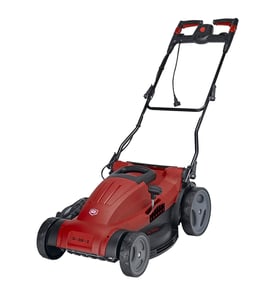
Craftsman model 247370610 is an electric rotary walk-behind mower; the exact production year is typically tied to the unit’s serial number and the specific manufacturing run. For the most accurate date, match your mower’s model and serial tag details to the parts listing for 247370610 on Sears PartsDirect.
How to identify the build timeframe on your mower
Use the model and serial information from the mower’s ID label to narrow down the manufacturing period.
- Find the ID label on the mower deck, rear housing, or handle support area
- Confirm the model number reads 247370610 (character for character)
- Write down the serial number exactly as shown
- Compare the label details to the diagrams and parts list for your model
- If your mower has had major repairs, use the ID label (not the motor or handle parts) as the source of truth
What you can use on this model page to help
Even when the year is not printed in the model number, the parts breakdown helps confirm you are working from the correct product version.
| What to check | What it tells you | Why it helps |
|---|---|---|
| Model number: 247370610 | Exact product family | Prevents ordering the wrong parts |
| Serial number on ID label | Manufacturing run info | Best clue to the build date |
| Parts list consistency | Version match | Confirms you are on the right diagram |
Why it matters
The build timeframe affects small but important fit details on walk-behind mowers (washers, fasteners, blade hardware, and handle components). Using the correct model identification helps ensure replacement parts fit and the mower operates safely.
Last updated: February 2026
What is the life expectancy of a robotic lawn mower?
A robotic lawn mower lasts 5 to 10 years. That lifespan applies to autonomous, battery-powered robot mowers; it is different from your Craftsman 247370610 electric rotary lawn mower, which is a walk-behind mower and does not use a robot battery pack or charging dock.
Typical life expectancy (robotic mower)
- Overall mower: 5 to 10 years
- Battery pack: 2 to 5 years
- Blades: weeks to months (depends on grass type, debris, and mowing schedule)
- Drive wheels/tires: several seasons
- Charging dock/contacts: several seasons
What determines whether you get 5 years or 10 years
- Battery care: avoid deep discharges; store in a dry, moderate-temperature space
- Moisture exposure: wet storage accelerates corrosion and electrical failures
- Blade condition: dull blades increase motor load and shorten component life
- Yard stress: slopes, thick grass, sticks, and sand wear drive parts faster
- Cleaning routine: keeping the deck and wheels clear prevents overheating and binding
Quick comparison: robotic vs walk-behind electric (your model)
| Feature | Robotic lawn mower | Craftsman 247370610 walk-behind electric |
|---|---|---|
| Power source | Rechargeable battery | Corded electric power |
| Key wear item | Battery pack | Switches, wiring, blade hardware |
| Common “end of life” cause | Battery no longer holds charge | Motor or electrical wear, physical damage |
Why it matters
Robot mower lifespan is driven by battery and dock health. For the Craftsman 247370610, safe electrical condition checks (cord, switch, connections) matter more than battery maintenance.
For safe troubleshooting steps on electrical components, use how to use a multimeter to test electrical parts video.
Last updated: February 2026
What are the common problems with Craftsman lawn mowers?
Common problems we see on Craftsman walk-behind mowers like model 247370610 include no-start or intermittent power, uneven cutting, excessive vibration, and poor discharge or bagging. Most issues trace back to power supply, grass buildup under the deck, or loose blade-mount hardware.
Most common symptoms and likely causes
- Won’t start or stops while mowing: outlet or extension cord issue, damaged power cord, safety bail not fully engaged, switch or wiring fault
- Uneven cut or scalping: wheels set to different heights, dull or bent blade, deck packed with wet grass
- Excessive vibration or rattling: bent blade, loose blade bolt, worn or missing blade-mount hardware
- Poor bagging or side discharge: clogged chute, wet grass buildup, bag overfilled
- Hard to push: debris wrapped around wheels or axles, height adjuster binding
Quick checks we recommend (before replacing parts)
- Unplug the mower and wait for all moving parts to stop.
- Test the outlet with another tool; then try a heavy-duty outdoor-rated extension cord.
- Inspect the cord and plug for cuts, melted spots, or loose prongs.
- Clean packed grass from the underside of the deck (tip the mower safely and keep the motor side up when possible).
- Check the blade area for a bent blade and confirm all blade fasteners and hardware are tight.
When a small part causes a big problem
Vibration and uneven cutting often happen when blade hardware loosens or the blade stack is not aligned. If you find a damaged or missing washer during inspection, match it to the model 247370610 parts list; one example is the washer (part number 706-10049).
| Problem | What you’ll notice | What usually fixes it |
|---|---|---|
| Vibration | Shaking handle, loud buzzing | Tighten blade hardware; replace bent blade; correct worn mounting hardware |
| Uneven cut | Strips, scalping | Set wheels to same height; clean deck; sharpen/replace blade |
| Stops mid-cut | Runs then quits | Check outlet/cord; inspect safety bail switch and wiring |
Why it matters
Running with vibration, buildup, or intermittent power accelerates wear on the blade mount, deck, and electrical components. Fixing the root cause early keeps the mower cutting cleanly and prevents repeat failures.
Related DIY help: how to repair broken or damaged wires video
Last updated: February 2026