Owner’s manual
 Error Codes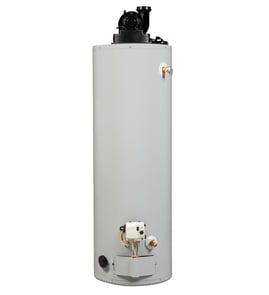






What's the average lifespan of a gas hot water heater?
Most tank-style gas water heaters last 8 to 12 years. For your State GS650YBRS gas water heater, regular maintenance (flushing sediment and checking corrosion protection) helps you reach that range and avoid surprise leaks or loss of hot water; see the GS650YBRS owner's manual for model-specific care steps.
A gas storage water heater’s life is mainly driven by water quality, how hard it works, and how well the tank is protected from corrosion.
- 8 to 12 years is the normal service life for most gas tank water heaters
- Hard water and heavy hot-water use can shorten life
- Skipping tank flushing speeds up sediment buildup and overheating
- A worn anode rod accelerates tank corrosion
- Poor venting or combustion air issues can stress components and reduce reliability
These symptoms usually mean the tank or key components are wearing out.
- Rusty or metallic-smelling hot water
- Rumbling, popping, or banging (sediment in the tank)
- Water around the base of the heater
- Pilot or burner problems that keep coming back
- Hot water that turns lukewarm faster than it used to
| What you’re seeing | Most likely cause | Best next step |
|---|---|---|
| Minor seep at a fitting | Loose connection or valve issue | Tighten/repair fitting; monitor |
| Rumbling noises | Sediment buildup | Flush tank; check burner area |
| Repeated pilot/ignition trouble | Ignition or airflow issue | Inspect/clean intake; consider replacing igniter |
| Water leaking from tank body | Tank failure | Replace the water heater |
On the GS650YBRS, corrosion protection and ignition reliability are two common maintenance areas.
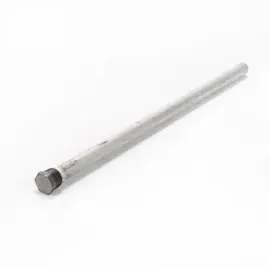
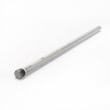
- Consider inspecting/replacing the anode rod such as the 2-way 100109624 (anode rod) when corrosion protection is depleted
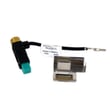
- If you have intermittent lighting or ignition issues, the igniter assembly 100109221 is a common service part
Once a tank begins to corrode through, failure can be sudden. Planning replacement around the 10-year mark (or sooner if symptoms appear) helps prevent water damage and unexpected downtime.
Last updated: February 2026
How to tell if a gas water heater is bad?
A State GS650YBRS gas water heater is typically “bad” when the tank is leaking, it cannot maintain hot water, or it shows repeated ignition or safety shutdown problems. Most tank failures show up as water around the base, rusty water, rumbling from heavy sediment, or frequent pilot or burner issues.
- Water pooling at the base or moisture on the jacket (especially after no one used hot water)
- Rusty or discolored hot water, or metallic odor
- Rumbling, popping, or banging during heating (sediment buildup)
- Hot water runs out faster than it used to, or temperature swings
- Pilot will not stay lit or the burner cycles off unexpectedly
- Sooting around the burner area or a strong exhaust smell near the heater
Use your owner's manual for model-specific lighting and inspection steps.
- Look for active leaks at fittings and the drain valve; then check if water is coming from the tank body itself
- Inspect the burner area through the access door for soot, debris, or signs of overheating
- Listen for sediment noise; heavy scale can reduce efficiency and shorten tank life
- Check the air intake area; a clogged intake can cause poor combustion (the screen 100109216 is a common service item)
- Review any status light or diagnostic behavior using State gas water heater error codes
A leaking tank usually means replacement; many performance problems are repairable with parts.
| Symptom | Most likely cause | What it usually means |
|---|---|---|
| Water leaking from tank seam or bottom | Tank corrosion | Tank is failing (replacement) |
| Rumbling and slow recovery | Sediment buildup | Maintenance needed; efficiency loss |
| Pilot or ignition problems | Ignition or airflow issue | Often repairable (for example, igniter assembly 100109221) |
| Rusty hot water | Anode depleted or tank corrosion | Service anode; tank may be near end of life |
A failing gas water heater can waste energy, deliver inconsistent hot water, and create unsafe combustion conditions if airflow is restricted. Catching issues early (sediment, ignition, intake blockage, anode wear) helps protect the tank and improves reliability.
Last updated: February 2026
Why are gas water heaters being phased out?
Gas water heaters are being phased out in some areas because building and air-quality rules are pushing lower-emission equipment, especially reducing nitrogen oxides (NOx) from gas combustion. For a State GS650YBRS gas water heater, the main impact is on future replacement and new-install choices, not normal operation today.
Most phase-out efforts focus on cutting air pollution and meeting long-term energy and climate targets.
Common approaches include:
- Limits on new gas water heater installations (existing units can keep running)
- Stricter low-NOx requirements for newly sold gas models
- Incentives to switch to electric or heat pump water heaters
- Building code updates that favor electric-ready construction
- Utility programs that encourage electrification
If your area adopts restrictions, they typically apply when you replace the unit or install a new one.
| Situation | What to do now | What to expect later |
|---|---|---|
| Heater is working | Maintain it and keep it operating safely | Replacement options may shift toward electric or heat pump |
| Heater needs a repair | Use model-correct parts and follow safe service steps | Repairs remain common even where new installs are restricted |
| Heater needs replacement | Confirm local requirements before buying | Gas models may be limited or require low-NOx versions |
For operating, maintenance, and safety guidance specific to GS650YBRS, use the GS650YBRS owner's manual.
Good maintenance helps prevent nuisance shutdowns and slows tank corrosion.
We recommend:
- Keep the burner area and combustion air intake clean and unobstructed
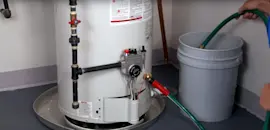
- Flush sediment periodically to reduce rumbling and improve recovery
- Inspect and replace anode rods as needed to slow tank corrosion (example: 2-way 100109624)
- Address ignition problems promptly (example: igniter assembly 100109221)
- Check for leaks around fittings and the drain valve
If rules change where you live, planning ahead prevents last-minute replacement surprises. Keeping your GS650YBRS running reliably can buy time while you evaluate compliant replacement options and installation requirements.
Last updated: February 2026
What is the average cost of replacing a gas hot water heater?
Replacing a standard tank-style gas water heater like the State GS650YBRS typically costs $1,600 to $2,400 installed. Switching to a tankless gas water heater typically runs $2,400 to $5,400 installed, mainly because venting and gas-line changes often add labor and materials.
- Like-for-like swap vs. upgrades: keeping the same venting and piping is usually the lowest cost.
- Venting work: re-venting, power-vent conversions, or chimney liner work increases cost.
- Gas line changes: upsizing the gas line, adding a sediment trap, or relocating the shutoff adds labor.
- Water piping updates: new shutoff valves, dielectric unions, or an expansion tank can add parts and time.
- Permits and inspection: commonly required and varies by location.
- Removal and disposal: haul-away fees are sometimes separate.
| Replacement type | Common installed range | Most common reason it costs more |
|---|---|---|
| Standard tank gas water heater | $1,600 to $2,400 | Venting or piping updates during a “simple” swap |
| Tankless gas water heater | $2,400 to $5,400 | New venting route and higher gas supply requirements |
- Verify your heater’s capacity, venting type, and clearance requirements in the GS650YBRS owner's manual.
- Check for signs of tank issues (leaks at the base, rusty water, popping or rumbling).
- If you are maintaining the current heater to extend life, inspect and replace the anode rod when needed; this model’s parts list includes the 2nd anode 100111369.
Gas water heater replacement cost is heavily influenced by venting and gas supply requirements. Getting those details right helps the new heater run safely, heat efficiently, and pass inspection.
Last updated: February 2026