Owner’s manual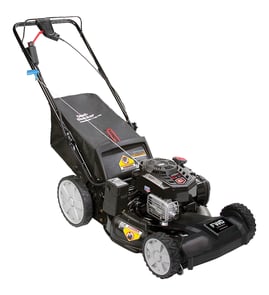



How to add oil to Senix lawn mower?
To add oil to your Senix LSPGBS-M2 gas walk-behind mower, park it on level ground, remove the oil fill cap or dipstick, then add small amounts of the correct engine oil until the level reaches the full mark. Use the steps and oil type listed in the LSPGBS-M2 owner's manual.
- Shut the engine off and let it cool.
- Move the mower to a flat, level surface (oil readings are inaccurate on a slope).
- Clean around the oil fill area so dirt cannot fall into the crankcase.
- Remove the oil cap or dipstick.
- Add oil slowly using a small funnel.
- Check the level, then repeat until it reaches the full line (do not overfill).
- Reinstall the cap or dipstick securely and wipe up any spills.
Oil checking methods vary by engine. Use the method shown in the manual for your LSPGBS-M2.
| If your mower uses... | How to check oil level | What to avoid |
|---|---|---|
| Dipstick | Insert per manual instructions, then read the level | Screwing in the dipstick if the manual says to rest it only |
| Fill plug with level point | Oil should be at the specified level point | Filling above the opening level |
- Low oil: hard starting, engine surging, louder mechanical noise, engine shutting down.
- Overfilled oil: smoking, oil smell, oily air filter, rough running.
Running your walk-behind mower low on oil can quickly damage the engine. Overfilling can also cause smoking and poor performance because oil can get into the breather or air intake.
Last updated: February 2026
Who makes the engines for Senix lawn mowers?
Many Senix walk-behind mowers, including models in the LSPGBS-M2 family, are sold with Briggs & Stratton engines; the exact engine maker for your specific LSPGBS-M2 is confirmed by the engine ID label and the specifications section in the LSPGBS-M2 owner's manual.
Use the mower itself to verify, since Senix has offered different engine options across product lines.
- Look for the engine brand badge on the recoil starter housing (top/front of engine).
- Find the engine ID label (often on the blower housing, valve cover area, or near the muffler shield).
- Record the engine model, type, and code (or serial) from that label.
- Match those numbers to the engine section in the LSPGBS-M2 owner's manual.
- Use the engine model to buy the correct tune-up parts (spark plug, air filter, fuel filter) for that engine.
| What you find on the engine | What it means | What to do next |
|---|---|---|
| Briggs & Stratton badge and model/type/code | Briggs & Stratton built the engine | Use the engine model to select maintenance parts |
| No clear badge, but an engine model label exists | Manufacturer is identified by the label | Search parts by the engine model and code |
| Label missing or unreadable | Engine maker still identifiable by features and measurements | Use the manual diagrams and compare to common engine layouts |
Engine manufacturer determines the correct ignition and fuel-system maintenance parts and service specs (spark plug type and gap, air filter style, oil capacity, and carburetor settings). Using the wrong parts can cause hard starting, surging, or poor cutting performance.
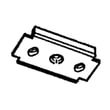
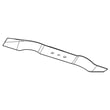
If you are also replacing cutting or deck hardware on the LSPGBS-M2, match parts to the mower model, such as the Senix lawn mower 21-in deck 3-in-1 blade 201045000246 and the lawn mower blade adapter 201101000060.
Last updated: February 2026
Is Senix a good brand for lawn mowers?
Senix is a solid choice for many homeowners who want a straightforward, budget-friendly gas walk-behind mower like the Senix LSPGBS-M2. Overall quality comes down to matching the mower’s features to your yard size, keeping up with routine maintenance, and using the correct replacement parts listed in the LSPGBS-M2 owner’s manual.
A lawn mower brand is a good fit when it delivers reliable starting, consistent cut quality, and easy upkeep for your conditions.
Common signs the mower is a good match:
- Starts consistently (cold and warm) with fresh fuel and a clean air path
- Cuts evenly without leaving uncut strips or clumps
- Handles your terrain (flat vs. slopes) without excessive wheel wear
- Has practical support for wear items (blade, wheels, discharge parts)
- Feels comfortable to push and maneuver for your yard size
Use this checklist to decide if the LSPGBS-M2 fits your needs.
| Yard/usage need | What to look for | What to do if it’s not meeting expectations |
|---|---|---|
| Clean cut quality | Sharp, balanced blade; correct mowing height | Sharpen/replace the blade; clean deck buildup |
| Safe side discharge | Deflector stays in place and swings freely | Inspect/replace the deflector if cracked or missing |
| Easy handling | Wheels roll smoothly; no wobble | Replace worn wheels; check for bent hardware |
| Bagging performance | Bag fills without clogging | Clean chute/deck; replace torn bag |
If you are judging the mower by cut quality or handling, these parts matter most:
- Senix lawn mower 21-in deck 3-in-1 blade 201045000246 for cut quality and mulching/bagging results
- Lawn mower blade adapter 201101000060 if the blade feels loose, slips, or won’t seat correctly
- Wheel 207150100023 (and the other wheel options listed for this model) if the mower pulls, wobbles, or is hard to push
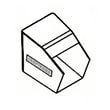
- Lawn mower deflector shield 202030001118 for safe, controlled side discharge
- Net bag 299001000110 if bagging is part of why you bought the mower
Most “brand quality” complaints on walk-behind mowers trace back to maintenance and wear items, not the engine itself. A sharp blade, clean deck, and solid wheel/deflector condition make the LSPGBS-M2 feel more powerful, cut cleaner, and operate more safely.
For upkeep routines that protect performance, follow the how to tune up a lawn mower video and the maintenance schedule in your manual.
Last updated: February 2026