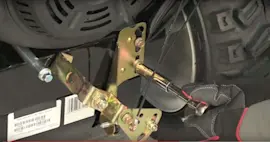
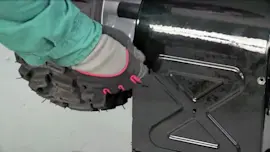
Installation guide
 Owner’s manual
 View engine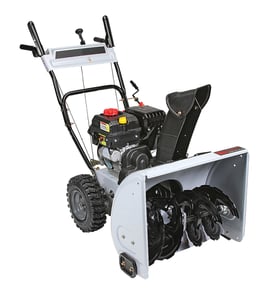
How to get rid of an old snowblower?
To get rid of an old Briggs 1696610-01 gas snowblower, drain fuel and oil first, then choose the best option for your area: recycle/scrap it, schedule bulky-item pickup, donate it if it still runs, or use a junk-haul service for fast removal. Review the 1696610-01 owner's manual for safe handling steps before moving or servicing the unit.
Best disposal options (from most common to most convenient)
- Scrap metal recycler or salvage yard: Often the easiest for a non-running unit once fluids are removed.
- Municipal bulky-item pickup: Check your city or county rules for small-engine equipment.
- Household hazardous waste program: Use this for leftover gasoline, oil, or contaminated rags.
- Donation or resale: If it starts, drives, and throws snow reliably, many charities or local buyers will take it.
- Junk removal service: Good when you cannot transport it; ask if they recycle metal.
Prep checklist before you move or dispose of it
- Run the engine until it stops (to reduce fuel left in the carburetor), then remove the key.
- Let the muffler and engine cool completely before loading.
- Drain gasoline into an approved container; take it to a hazardous waste drop-off if you will not reuse it.
- Drain engine oil into a pan and recycle it with used oil.
- Clear packed snow from the auger housing and chute; never put hands in the chute (use a clean-out tool).
- If you need to tip the unit for access, keep the fuel tank empty to prevent leaks.
Quick comparison: which option should I choose?
| Option | Best for | Typical cost | Transport needed? |
|---|---|---|---|
| Scrap/recycling yard | Broken or very old units | Low to none | Yes |
| Bulky pickup | Convenience with local rules | Low to moderate | No |
| Donate/resell | Working machine | None (or you get paid) | Sometimes |
| Junk removal | Fastest, no lifting | Moderate to high | No |
Why it matters
Gas snowthrowers can leak fuel or oil during transport, and the auger and impeller areas can stay hazardous even after use. Proper prep protects your vehicle, prevents spills, and keeps handling safe.
Last updated: January 2026
What is the typical lifespan of a gas snowblower?
A typical gas snowblower lasts 10 to 15 years. With consistent maintenance on your Briggs 1696610-01 snowthrower (oil changes, lubrication, and proper off-season storage), it commonly reaches the upper end of that range and can run longer.
What most affects lifespan
- Maintenance schedule adherence (oil changes, lubrication, inspections)
- Fuel care (fresh fuel, stabilizer for storage, clean carburetion)
- Usage intensity (heavy, wet snow and long run times increase wear)
- Storage conditions (dry storage reduces corrosion and control freeze-ups)
- Wear parts condition (belts, pulleys, shear pins, friction drive components)
Maintenance habits that extend life (based on the manual)
The operator guidance for the 1696610-01 emphasizes routine checks and seasonal upkeep. Use the 1696610-01 owner's manual to follow the exact intervals and procedures.
Key items to stay on top of:
- Change engine oil after the first 5 hours, then every 25 hours or annually
- Check engine oil level before each use
- After each use, remove snow and slush to prevent controls, wheels, chute, and auger from freezing
- Lubricate linkages, chute/deflector, auger assembly, hex shaft, gears, and axles every 25 hours or annually
Quick reference: lifespan vs. care level
| Care level | What it looks like | Typical outcome |
|---|---|---|
| Minimal | Infrequent oil changes, stored with fuel, little lubrication | Shorter life, more breakdowns |
| Average | Seasonal oil change, basic cleaning, occasional lubrication | Around 10 to 15 years |
| Excellent | Follows schedule, proper storage, timely wear-part replacement | Often 15+ years |
When parts replacement makes sense
If the machine still starts well and the engine runs strong, replacing common wear items can be a cost-effective way to extend service life. For example, traction issues often point to friction drive wear; auger engagement issues can involve pulleys or cables such as the Briggs & stratton snowblower auger pulley kit 707823.
Why it matters
A gas snowblower’s lifespan is mostly a maintenance story. Staying current on oil changes, lubrication, and post-use cleanup reduces premature wear on the auger/impeller system, drive components, and controls, which helps your 1696610-01 stay reliable during peak storms.
Last updated: January 2026
Is it cheaper to repair or replace a snowblower?
For a Briggs 1696610-01 snowblower, it’s cheaper to repair when the fix is a normal wear item (shear pins, cables, pulleys) and the total repair cost stays under about half the price of a comparable new snowblower. Replacement makes more sense when major drivetrain or engine repairs stack up and reliability drops.
Quick decision checklist
- Repair when the problem is isolated (one failed part) and the machine otherwise runs and drives normally.
- Repair when the issue is a safety wear item you can restore to spec (for example, damaged shear pins).
- Replace when you’re facing repeated breakdowns each season.
- Replace when the engine has low compression, heavy oil burning, or severe internal damage.
- Replace when the auger/impeller drivetrain has major damage and multiple expensive assemblies are needed.
- Replace when corrosion or structural damage makes safe operation questionable.
Typical repair costs vs. replacement value
Use this as a practical guide for budgeting; exact totals depend on labor rates and how many parts are involved.
| Scenario | Typical parts cost | Typical outcome |
|---|---|---|
| Shear pin replacement | Low | Great repair value; restores snow-throwing protection |
| Cable or pulley service | Low to moderate | Good repair value if the engine and drive are strong |
| Gearbox or major drivetrain repair | High | Often pushes total cost near replacement territory |
Model-specific parts that often make repair worthwhile
These are common “repair-first” items on many snowthrowers because they restore function without replacing the whole unit:
- Briggs & stratton snowblower auger shear pin 707555 (protects the auger when it hits an obstruction)
- Briggs & stratton snowblower impeller shear pin kit 707758 (protects the impeller drive)
- Briggs & stratton snowblower auger pulley kit 707823 (helps restore auger drive performance)
Why it matters
A snowblower is designed to hit hidden objects sometimes; the manual calls out stopping the engine and inspecting for damage after striking a foreign object. Repairing the correct “sacrificial” parts (like shear bolts/pins) protects expensive components and keeps the machine safe and dependable. For maintenance intervals and safety steps (engine off, key removed, moving parts stopped), follow the 1696610-01 owner’s manual.
Last updated: January 2026
What is the most common problem with snow blowers?
The most common problem we see with gas snow blowers like the Briggs 1696610-01 is a no-start or hard-start condition caused by fuel issues (stale gas) and basic tune-up items. The next most common issues are chute clogs and the auger not turning due to a failed shear pin.
Most common issues (and what to check first)
- Won’t start or starts then dies: drain old fuel, refill with fresh fuel, check the spark plug and air intake.
- Clogged discharge chute: shut the engine off, wait for all moving parts to stop, then clear packed snow safely.
- Auger or impeller won’t turn: inspect for broken shear pins and replace as needed.
- Auger does not stop quickly: the auger must stop within about 5 seconds after releasing the auger control; adjust the control cable if it doesn’t.
- Poor throwing distance: adjust the chute deflector; wet, heavy snow often needs a slower ground speed.
Quick symptom-to-fix guide
| Symptom | Most likely cause | Typical fix |
|---|---|---|
| Engine won’t start | Old fuel, spark plug issue | Fresh fuel, basic tune-up checks |
| Snow backs up in chute | Packed snow, wrong technique | Clear chute safely, reduce speed in heavy snow |
| Auger turns but stops under load | Shear pin broken | Replace shear pin |
| Auger keeps spinning after release | Cable out of adjustment | Adjust auger control cable |
Why it matters
A snowthrower’s rotating auger and impeller can cause severe injury if you reach into the chute or work around moving parts. Following the shutdown and adjustment steps in the manual helps prevent injuries and protects the drive and auger systems from damage.
Parts that commonly solve “auger not turning”
If the auger stops after hitting ice, a shear pin is designed to fail to protect the gearbox.
- Briggs & stratton snowblower auger shear pin 707555
- Briggs & stratton snowblower impeller shear pin kit 707758
For model-specific operating, adjustment, and shear bolt replacement steps, use the 1696610-01 owner’s manual.
Last updated: January 2026