Installation guide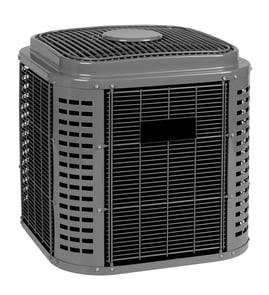



What is the 20 rule for air conditioning?
The “20-degree rule” is a rule of thumb: your air conditioner typically cools your home about 15°F to 20°F below the outdoor temperature under normal conditions. On very hot days, expecting a bigger drop can mean longer run times, higher energy use, and more wear on your Icp TCA048AKA1 condensing unit.
What the rule really means (and what it does not)
This guideline is about realistic expectations, not a thermostat limit.
- It describes a typical cooling capability during peak heat, not a hard “physical limit.”
- Your indoor temperature can still be lower than 20°F below outdoors if your home is well insulated and the system is properly sized.
- If the system runs nonstop and still cannot keep up, the issue is usually heat gain, airflow, or refrigerant charge, not the thermostat setting.
- A better performance check is the temperature drop across the indoor coil (return air vs. supply air), not outdoor vs. indoor.
Quick checks that matter most for this model
Use the setup and service guidance in the installation guide for model-specific procedures.
- Keep outdoor coil airflow clear; the guide calls for generous clearances (commonly 48 inches above for discharge air and 18 inches around the coil on three sides, with one side sometimes reduced).
- Keep shrubs, fences, snow, and debris away from the coil so the condenser can reject heat.
- Verify indoor airflow is in the typical target range of 350 to 450 CFM per ton across a wet coil (airflow problems can mimic “can’t cool” symptoms).
- If a technician is checking charge, the guide references using superheat targets (often aiming for about 15°F to 20°F suction superheat at the compressor under standard test-like conditions).
Typical expectations at a glance
| Outdoor temp | Realistic indoor target | What you may see |
|---|---|---|
| 85°F | 72°F to 75°F | Normal cycling if sized well |
| 95°F | 75°F to 78°F | Longer run times |
| 105°F | 78°F to 82°F | Near-continuous operation can be normal |
Why it matters
When you expect a 25°F to 30°F drop on extreme-heat days, the system may run continuously, which increases electrical load and accelerates wear on key components like the condenser fan and electrical controls.
Last updated: February 2026
What is the average cost to replace a central AC unit?
Replacing a central AC system typically costs about $6,000 installed, with many homeowners landing in a roughly $1,500 to $12,500 range depending on capacity (tons), efficiency rating, ductwork condition, electrical upgrades, and local labor rates. For your Icp TCA048AKA1 condensing unit, the installed price is driven mostly by sizing and installation requirements in the installation guide.
What drives the price the most
- System size (tons/BTU): Larger capacity costs more in equipment and labor.
- Efficiency level (SEER2/EER2): Higher efficiency usually increases upfront cost.
- Ductwork changes: Repairs, sealing, or resizing can add significant labor.
- Electrical work: New disconnect, wiring, or circuit protection updates can add cost.
- Refrigerant line set work: Reuse vs. replace, plus any flushing/cleanup.
- Pad, mounting, and clearances: Space constraints can increase labor time.
Typical cost ranges (installed)
| Replacement scope | What it usually includes | Typical cost range |
|---|---|---|
| Condensing unit only | Outdoor unit swap, basic startup | $2,500 to $6,500 |
| Full system (AC + indoor coil/air handler) | Outdoor unit plus matched indoor components | $4,500 to $10,500 |
| Full system + ductwork work | System plus duct repairs/modifications | $7,000 to $12,500+ |
Model-specific installation details that can affect labor
Your TCA048AKA1 installation requirements can change the job complexity:
- Clearances: Common guidance is 48 inches above for discharge air and 18 inches around the coil on three sides; one side can be reduced to 6 inches in some layouts.
- Electrical supply: The unit is typically 208 to 230V, 60Hz, single phase, and it is approved for copper conductors only.
- Airflow setup: Proper indoor airflow is critical before final charge checks; a common target is 350 to 450 CFM per ton through a wet coil.
Why it matters
A “cheap” replacement that skips airflow setup, clearances, or electrical best practices often leads to poor cooling, higher energy use, and repeat service calls. Paying for correct sizing and installation protects comfort and equipment life.
Last updated: February 2026
What is the average lifespan of a central air conditioning unit?
Most central air conditioning condensing units like the Icp TCA048AKA1 last 15 to 20 years with correct installation, proper airflow, and routine maintenance (especially keeping the outdoor coil clean and unobstructed). Units in harsh climates or with poor maintenance often fail sooner.
Typical lifespan ranges (what to expect)
- 15 to 20 years: Typical for a well-maintained central AC condensing unit
- 10 to 15 years: Common when coils stay dirty, airflow is restricted, or electrical components run hot
- 20+ years: Achievable when the system is correctly sized, refrigerant charge is kept correct, and the outdoor unit stays clean and well ventilated
What shortens (or extends) the life of the outdoor condensing unit
Free airflow and clean coils matter most for long-term reliability. Your installation guidance calls out keeping obstructions at least 2 feet from coil air inlets and turning off power before cleaning. See the clearances and maintenance notes in the installation guide.
Big lifespan drivers:
- Outdoor coil kept clean (no grass clippings, weeds, debris)
- Proper clearances around the unit (prevents hot air recirculation)
- Correct electrical supply and safe wiring practices (208 to 230V, copper conductors)
- Correct indoor airflow across the evaporator coil (commonly 350 to 450 CFM per ton)
- Refrigerant charge checked after the system runs 15 to 20 minutes (when adjustments were needed)
Quick “replace vs. repair” checklist
If your unit is approaching the typical lifespan, these signs usually mean repairs become more frequent or less cost-effective:
- Compressor struggles to start, or the unit trips breakers
- Outdoor fan runs inconsistently or is noisy
- Cooling is weak even with clean coils and a clean indoor filter
- Repeated electrical issues at the control box (contactor, wiring, controls)
- Refrigerant charge problems keep returning after service
Common parts that affect reliability
Some failures are straightforward part replacements. For this model, examples of parts that can impact operation include:
| Symptom | Often involved part | Example on this model |
|---|---|---|
| Unit will not start | Contactor or controls | Board 1088977 or contactor (listed for this model) |
| Fan not running or loud | Condenser fan | Fan 1086407 |
| Intermittent operation | Wiring connections | Plug wire 1083654 |
Why it matters
A central AC that is near end-of-life can still run, but efficiency and reliability typically drop. Keeping the outdoor coil clean, maintaining clearances, and addressing electrical issues early helps you get the full 15 to 20 years from the condensing unit.
Last updated: February 2026
What is the most expensive part to replace on an AC unit?
On most central AC condensing units (including the Icp TCA048AKA1), the compressor is typically the most expensive single part to replace because it is the core refrigerant-pumping component and the repair often includes refrigerant recovery, brazing, evacuation, and recharging. Control boards and fan motors can also be costly, but usually less than a compressor.
What usually costs the most (and why)
- Compressor: highest part cost and highest labor complexity (sealed refrigerant system work).
- Coil-related repairs (condenser coil or major refrigerant leak repairs): can be expensive because they involve refrigerant handling and extensive labor.
- Electronic control board: can be a high-cost electrical part on some systems.
- Condenser fan motor/assembly: moderate-to-high cost, usually simpler labor than sealed-system work.
How this relates to your Icp TCA048AKA1
Your model is a split-system condenser (outdoor condensing unit). The installation instructions emphasize sealed-system procedures and safety steps for brazing and refrigerant work, which is a big reason compressor and major refrigerant repairs run the highest. Use the installation guide for model-specific wiring, clearances, and service notes before planning any repair.
Quick cost-and-complexity comparison
| Component | Typical cost impact | Typical repair complexity | Why it gets expensive |
|---|---|---|---|
| Compressor | Highest | Highest | Sealed-system labor plus refrigerant work |
| Coil/leak repair | High | High | Leak finding, brazing, evacuation, recharge |
| Control board | Medium to high | Medium | Diagnostics and electrical troubleshooting |
| Fan motor/assembly | Medium | Low to medium | Mechanical swap, less specialized tools |
Parts on this model page that can be “big ticket” (but usually not the biggest)
If your issue is electrical or airflow related, these parts are commonly involved:
- Board 1088977 (electronic control board)
- Fan 1086407 (condenser fan)
- Contactor (switching power to the compressor and fan)
Why it matters
When the compressor is the failure point, the repair cost is driven as much by specialized labor and refrigerant procedures as by the part itself. For older systems, that cost can change the repair-versus-replace decision.
Last updated: February 2026