Installation guide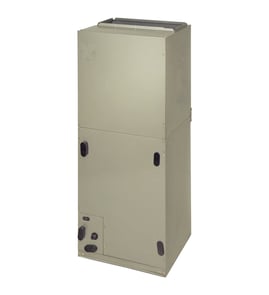

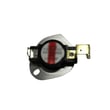
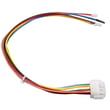
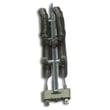
Does an air handler have a blower?
Yes. A Carrier air handler such as model FX4CNF024000 includes a blower (fan) assembly that moves air through the coil and your ductwork. The installation instructions for this unit reference the blower and its wiring label, confirming the blower is part of the air handler.
What the blower does in an air handler
The blower is the air-moving component that makes heating and cooling possible throughout the home.
- Pulls return air in through the filter/return duct
- Pushes air across the evaporator coil (cooling) or heat source (electric heat kit, if equipped)
- Delivers conditioned air to supply ducts and registers
- Helps maintain proper airflow (CFM) against duct resistance (static pressure)
Where you will see it referenced for this model
In the installation guide, the blower is called out in service steps and wiring guidance.
| Item in documentation | What it tells you | Why it matters |
|---|---|---|
| “Remove blower and coil access panel…” | The blower is a removable service component | Confirms the blower is inside the cabinet |
| “Wire low voltage in accordance with wiring label on the blower” | The blower has a wiring label used for controls | Confirms the blower is an electrical assembly in the unit |
| Airflow performance tables (CFM vs. static pressure) | The unit’s blower performance is specified by speed | Helps with diagnosing weak airflow |
Common signs the blower is the problem
These symptoms often point to a blower, blower control, or power issue in an air handler:
- Little or no airflow from vents even though the thermostat is calling
- Blower runs intermittently or only on certain speeds
- Unusual rubbing, rattling, or squealing from the air handler cabinet
- Airflow is weak and the system struggles to heat or cool
Why it matters
If the blower is not running correctly, the system cannot move enough air across the coil. That can reduce comfort, lower efficiency, and contribute to icing (cooling) or overheating (electric heat).
Last updated: February 2026
Do I have an air handler?
If your home uses a central HVAC system (especially a heat pump or central air conditioner with ductwork), you typically have an air handler. For Carrier model FX4CNF024000, the air handler is the indoor unit that moves air through the ducts and often houses the blower and controls; confirm location and wiring details in the installation guide.
Quick ways to tell (no tools needed)
- Look for an indoor metal cabinet connected to your ductwork, often in an attic, closet, basement, or garage.
- Check for a filter slot at the indoor unit or return plenum.
- Listen for the indoor blower fan running when the thermostat calls for heating or cooling.
- Look for a condensate drain line (common on cooling systems); it should slope downward away from the unit.
- If you have a heat pump, the indoor unit is commonly an air handler (not a gas furnace).
What an air handler does (and what it is not)
An air handler is the indoor air-moving unit. It is different from the outdoor condenser/heat pump and different from a gas furnace (although some systems pair a furnace with an evaporator coil instead of an air handler).
| Component | Typical location | Main job |
|---|---|---|
| Air handler (fan coil) | Indoors | Moves air; supports coil, controls, sometimes electric heat |
| Outdoor unit | Outdoors | Rejects or absorbs heat (cooling or heat pump operation) |
| Ductwork | Throughout home | Delivers supply air and returns air back to the unit |
Why it matters
Knowing whether you have an air handler helps you choose the right repair path and parts. For example, common air-handler related issues involve low-voltage power (transformer), blower operation (fan wheel), and control signals (fan control board).
Parts that commonly relate to “no fan” or “no power” symptoms
- Central air conditioner air handler transformer HT01CN241
- Fan wheel LA22LA095
- Central air conditioner air handler fan control board HK61EA010
Last updated: February 2026
What is a carrier air handler?
A Carrier air handler (like the Carrier FX4CNF024000) is the indoor HVAC unit that moves conditioned air through your ductwork. It typically houses the blower (fan), controls, and often an electric heat kit; it works with an outdoor AC or heat pump to deliver airflow and comfort.
What an air handler does in your system
An air handler is the “air-moving” side of a split HVAC system. In most homes, it:
- Pulls return air in through the return duct
- Pushes air across the indoor coil and back out through the supply ducts
- Uses a control board and low-voltage wiring to respond to thermostat calls
- Routes condensate to a drain line during cooling
- May support accessories like a humidifier or electronic air cleaner
For model-specific installation and wiring details, use the installation guide.
What parts are commonly inside a Carrier air handler
Air handlers vary by configuration, but these components are common:
- Blower assembly (fan wheel and motor) to move air
- Transformer to supply low-voltage power to controls
- Fan control board (PCB) with a low-voltage protective fuse and speed-tap terminals
- Electric heat element (if equipped with electric heat)
- Cabinet hardware (latches, brackets, grommets)
Examples of parts available for FX4CNF024000
| Part | What it affects | When it’s suspect |
|---|---|---|
| Central air conditioner air handler transformer HT01CN241 | Low-voltage power to controls | No 24V control power, thermostat appears dead |
| Fan wheel LA22LA095 | Airflow volume and noise | Weak airflow, rattling, imbalance |
| Central air conditioner air handler fan control board HK61EA010 | Blower operation and timing | Blower will not run, incorrect fan behavior |
Why it matters
When airflow is low or controls are unstable, the whole HVAC system suffers: comfort drops, efficiency falls, and icing or overheating can occur. Correct duct connections, electrical connections, and condensate drainage are essential for reliable operation.
Last updated: February 2026
What happens when an air handler goes bad?
When a Carrier FX4CNF024000 air handler starts going bad, you typically get weak airflow, inconsistent heating or cooling, unusual noises, and higher energy use. If it is run without proper filtration, it can also lead to blower motor or coil damage, which can turn a small repair into a major one (see the installation guide).
Common signs your air handler is failing
- Weak or uneven airflow from supply vents
- Blower runs but little air moves (or it cycles on and off unexpectedly)
- Buzzing, rattling, scraping, or squealing noises from the cabinet
- Burning or electrical smell, or repeated breaker trips
- Poor comfort: rooms too warm, too cold, or slow to reach set temperature
- Excess dust or musty odors (often tied to moisture and dirty components)
What usually causes the problem
Many “bad air handler” symptoms come from a few high-failure items:
| Symptom | Common cause | What to check first |
|---|---|---|
| No blower operation | Low-voltage power issue, failed transformer | 24V supply and wiring, then transformer |
| Blower runs, poor airflow | Dirty filter, dirty coil, damaged blower wheel | Filter, coil cleanliness, blower wheel condition |
| Fan behaves erratically | Control board or wiring issue | Connections, then fan control board |
| No electric heat (if equipped) | Heater relay/element issue | Heater package wiring and elements |
Parts that often fix “air handler went bad” complaints
If troubleshooting points to a failed component, these model-related parts are common suspects:
- Central air conditioner air handler transformer HT01CN241 (loss of 24V control power)
- Central air conditioner air handler fan control board HK61EA010 (fan timing, relays, control)
- Fan wheel LA22LA095 (airflow loss, vibration, noise)
Why it matters
The installation instructions warn never to operate the unit without a filter; doing so can damage the blower motor or coil. Catching airflow and electrical issues early helps prevent secondary damage and keeps the system efficient (see the installation guide).
Last updated: February 2026
How to buy carrier parts?
You can buy replacement parts for your Carrier FX4CNF024000 air handler directly from our parts list for this model, then match the part to your unit using the rating plate information and the instructions in the installation guide.
How we recommend choosing the right part
- Confirm the model number is FX4CNF024000 on the unit rating plate.
- Identify the system symptom (no blower, no heat, weak airflow, etc.).
- Match the part by description and identifier, not just by appearance.
- If you are replacing an electrical part, shut off power at the breaker before servicing.
- Use the installation instructions to confirm wiring, mounting, and drain setup details.
Common FX4CNF024000 parts customers order
These are examples of parts available for this model that often come up during repairs:
| What it affects | Part you may need | When it is commonly replaced |
|---|---|---|
| Low-voltage power to controls | Central air conditioner air handler transformer HT01CN241 | No 24V control power, thermostat appears dead |
| Blower operation and speeds | Central air conditioner air handler fan control board HK61EA010 | Blower will not run, runs intermittently, wrong speed |
| Air movement through the air handler | Fan wheel LA22LA095 | Rattling, vibration, poor airflow, damaged wheel |
| Electric heat (if equipped) | Element L99H008 | No heat from heat kit, element open or damaged |
Why the installation guide matters for parts buying
For the FX4C series, the installation guide covers details that affect which parts and accessories apply, such as mounting position (upflow, horizontal), condensate drain setup, and electrical requirements. It also points you to the unit rating plate so you can verify the unit matches the job specifications before ordering.
Quick ordering checklist
- Model number: FX4CNF024000
- Part type needed: electrical (transformer/control board) vs. airflow (fan wheel) vs. heat (element)
- Installation orientation: vertical vs. horizontal (can affect drain and access)
- Any visible damage: burnt terminals, broken connectors, cracked wheel
Last updated: February 2026