Error Codes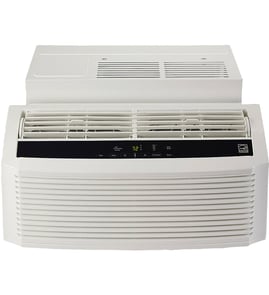



How many square feet will a 15000 BTU cool?
A 15,000 BTU room air conditioner like GE model ARC15AACBL2 typically cools about 700 to 800 sq. ft. in average conditions. Real coverage depends on ceiling height, sun exposure, insulation, and how well the unit can move air through the space.
Typical coverage guidelines for 15,000 BTU
Use these as practical planning numbers for a window or through-the-wall room A/C:
- 650 to 800 sq. ft.: average insulated space, standard 8 ft ceilings
- 550 to 700 sq. ft.: hot/sunny rooms, poor insulation, lots of windows
- 700 to 850 sq. ft.: shaded rooms, good insulation, fewer heat sources
- Reduce capacity needs if you keep doors closed and limit airflow to other rooms
What changes the square footage the most
These factors can easily shift performance by 10% to 25%:
- Direct sun exposure (south or west facing windows)
- Ceiling height (tall ceilings increase the air volume to cool)
- Insulation and air leaks (attic heat, gaps around windows, poor weatherstripping)
- Heat sources (kitchen appliances, computers, many occupants)
- Airflow issues (dirty filter, blocked grille, weak blower)
Quick sizing table (rule-of-thumb)
| Room conditions | Expected coverage for 15,000 BTU | What you may notice |
|---|---|---|
| Average home, 8 ft ceilings | 700 to 800 sq. ft. | Steady cycling, stable temperature |
| Very sunny or under-insulated | 550 to 700 sq. ft. | Runs longer, struggles at peak heat |
| Well insulated, shaded | 700 to 850 sq. ft. | Faster pull-down, shorter run times |
Why it matters
If the unit is undersized, it will run constantly and still feel warm during peak afternoon heat. If it is oversized, it can cool quickly but may not run long enough to remove humidity, leaving the room feeling clammy.
If ARC15AACBL2 is not cooling as expected
Before assuming the BTU rating is the issue, check common airflow and control problems:
- Clean/replace the air filter and clear any blocked intake
- Confirm the temperature setting and mode (Cool vs Fan)
- Make sure the unit is level and draining correctly
- If the blower seems weak or noisy, inspect the indoor blower and motor area
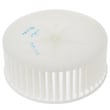
If you are troubleshooting airflow or a noisy fan, the parts list for this model includes the indoor blower WJ73X25396 and the room air conditioner fan motor WJ94X25405.
Last updated: February 2026
How much do common AC spare parts cost?
Common replacement parts for the GE ARC15AACBL2 room air conditioner range from under $10 for small sensors and hardware to several hundred dollars for major electrical or motor components. Your total cost depends on which part failed, whether multiple parts are replaced together, and the labor involved.
Typical parts cost ranges (parts only)
These are common price ranges for room air conditioner parts like those used on ARC15AACBL2:
- Sensors, foam seals, and small hardware: $5 to $20
- Electrical components (capacitors, harnesses): $20 to $120
- Air-moving parts (blower wheel, fan blade, shroud): $50 to $250
- Motors and major assemblies: $250 to $650+
Examples from ARC15AACBL2 parts on this page
The table below shows examples of real ARC15AACBL2 parts and their current list prices.
| Part type | Example part (ID) | What it affects | Typical symptom when bad |
|---|---|---|---|
| Sensor | Indoor coil sensor WJ26X27378 | Freeze protection and temperature feedback | Icing, short cycling, poor cooling |
| Electrical | Run capacitor WJ20X25406 | Helps start/run the motor/compressor circuit | Humming, hard starting, fan not running |
| Airflow | Outdoor fan blade WJ73X25397 | Moves air across the outdoor coil | Weak airflow, overheating, noise |
| Motor | Room air conditioner fan motor WJ94X25405 | Drives the fan (and sometimes blower) | No airflow, loud motor noise, burning smell |
Why the price varies so much
Room A/C parts pricing swings widely because:
- Motors and sealed-system related components cost more to manufacture and ship.
- Electrical parts vary by voltage rating and microfarad (µF) value.
- Plastic housings and shrouds are model-specific, so they can cost more than universal items.
- Replacing one failed part sometimes reveals a second issue (for example, a weak capacitor plus a failing motor).
How we recommend budgeting for a repair
Use this quick guide to plan your spend before ordering:
- Start with the symptom (no power, no cooling, no airflow, loud noise).
- Price the most likely part first (capacitor, sensor, fan blade, motor).
- Add basic supplies (screws, foam, wire connectors) if you are opening the cabinet.
- If you will test parts, use a meter and follow safe electrical practices; how to use a multimeter to test electrical parts video helps.
Last updated: February 2026
What is the 20 rule for air conditioning?
The “20-degree rule” is a rule of thumb: set your thermostat about 15°F to 20°F cooler than the outdoor temperature so your GE air conditioner model ARC15AACBL2 can cool steadily without excessive run time. It is a guideline, not a hard limit.
What people mean by the “20-degree rule”
The phrase gets used in a few different ways; these are the most common:
- Thermostat guideline: Keep the indoor setpoint roughly 15°F to 20°F below outdoor temperature to reduce energy use and long run times.
- Cooling system temperature split: Many systems show about a 15°F to 20°F air temperature drop from return air to supply air when airflow is correct.
- Comfort reality check: If it is extremely hot, high humidity, sun load, and air leaks can limit how far any air conditioner can pull the room temperature down.
How to apply it to an air conditioner like ARC15AACBL2
When your unit cannot maintain the set temperature, we focus on airflow and heat load first.
- Clean the filter and make sure the return air path is not blocked
- Keep supply vents open and unobstructed
- Reduce heat gain (close blinds, limit door openings, seal obvious air leaks)
- Use a fan to circulate air so the thermostat senses room temperature accurately
- Listen for weak airflow or unusual fan noise that points to a blower or motor problem
When the “20-degree rule” points to a repair issue
If the unit runs but cooling is weak, these ARC15AACBL2 parts commonly relate to airflow and starting problems:
| Symptom | What it often indicates | Part to check |
|---|---|---|
| Weak airflow, fan noisy, or fan not running | Fan motor issue | Room air conditioner fan motor WJ94X25405 |
| Indoor airflow low even with clean filter | Blower problem | Indoor blower WJ73X25396 |
| Compressor hums, struggles to start, or trips | Weak capacitor | Run capacitor WJ20X25406 |
Why it matters
Using the 20-degree rule helps you set realistic expectations, avoid unnecessary strain, and spot when performance problems are more likely caused by airflow restriction or an electrical start component than by the weather.
Last updated: February 2026
What is the warranty on arc15aacbl2?
For the GE ARC15AACBL2 room air conditioner, the warranty coverage depends on the warranty document that came with your unit (coverage length and what is included can vary by seller and installation type). Use your purchase paperwork to confirm the exact parts and labor terms for ARC15AACBL2.
What to check in your warranty paperwork
- Start date: usually the purchase date (not the install date)
- Coverage type: parts only vs. parts and labor
- Transferability: whether coverage follows the unit to a new owner
- Exclusions: damage from power issues, improper installation, or lack of maintenance
- Required maintenance: filter cleaning, coil cleaning, and proper airflow
Common warranty coverage ranges (what most customers see)
These are typical ranges for room air conditioners and help you sanity-check your paperwork.
| Coverage item | Typical range | Notes |
|---|---|---|
| Full unit (parts and labor) | 1 year | Most common baseline coverage |
| Sealed system / compressor | 2 to 5 years | Often parts-only; labor may be excluded |
| Accessories / cosmetic items | 0 to 90 days | Frequently limited or excluded |
Why it matters
Warranty terms affect whether it makes sense to troubleshoot and replace a component yourself (like a motor or capacitor) or pursue warranty service first. If your unit is out of warranty, ordering the correct replacement part by model number helps avoid returns and repeat repairs.
Parts that are commonly replaced when cooling or airflow is poor
If you are troubleshooting an ARC15AACBL2 that is not cooling well or has weak airflow, these model-matched parts are commonly involved:
Last updated: February 2026