Owner’s manual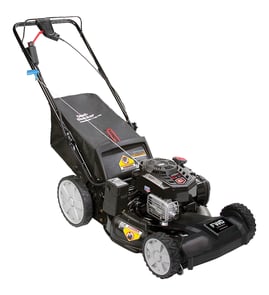


Who makes Cub Cadet walk-behind mowers?
Cub Cadet walk-behind mowers (including model SC621) are made under the Cub Cadet brand, which is part of the MTD family of outdoor power equipment. For model-specific identification details and service guidance, use the SC621 owner's manual.
We recommend verifying the brand and model information directly on the mower and in the documentation.
- Check the product label on the mower deck or rear housing for Cub CADET and SC621.
- Match the model number on the label to the model number shown in the SC621 owner's manual.
- If you are identifying parts, use the model number first, then confirm the part description.
- For hardware and fasteners, match by diagram location and description, not just size.
- If your mower has been repaired before, confirm that the installed parts match the original configuration.
Cub Cadet is the brand on the mower, but individual components can be sourced from multiple suppliers. That is normal for walk-behind mowers.
| Item you are checking | What to look for | Why it helps |
|---|---|---|
| Mower brand/model | Cub Cadet, SC621 | Confirms the correct parts list |
| Engine | Engine brand label (often separate) | Engine parts are typically ordered by engine model |
| Drive and chassis parts | Parts diagrams in the manual | Ensures correct fit and mounting |
Knowing who makes the mower and confirming the exact model number prevents ordering the wrong blade, drive components, or handle hardware, and it also helps you follow the correct operating limits and maintenance schedule.
Last updated: January 2026
Are gas lawn mowers being phased out?
Gas walk-behind mowers like the Cub Cadet SC621 are still widely used, but some states and cities are restricting the sale or use of certain new gasoline-powered outdoor equipment over time. The practical impact depends on where you live and what rules apply to new sales versus existing equipment.
Most policies focus on reducing emissions and noise by limiting new gasoline-powered equipment sales, especially in certain categories. In many areas, existing gas mowers can still be operated and maintained.
Common policy approaches include:
- Restrictions on new equipment sales (not repairs)
- Rules that apply to commercial fleets first
- Local ordinances focused on noise or operating hours
- Incentives or rebates to switch to battery-powered equipment
If you plan to keep your SC621 running, routine maintenance and correct operation matter most.
Recommended basics:
- Follow the starting and safety steps in the SC621 operator’s manual
- Keep the underside of the cutting deck clean to prevent buildup and corrosion
- Disconnect the spark plug wire before maintenance or cleaning
- Use proper storage practices in the off-season (fuel handling and cleaning)
| Situation | What typically happens | What you should do |
|---|---|---|
| You already own a gas mower | Usually allowed to keep using it | Maintain it and follow local noise rules |
| Buying a new gas mower | May be restricted in some areas | Check state and city rules before purchase |
| Repairing an existing mower | Typically still allowed | Use model-correct parts and procedures |
Restrictions can affect future availability of new gas mowers and may influence parts demand, service options, and resale value. Keeping your SC621 maintained helps you get reliable starts, consistent cutting, and longer engine life.
Last updated: January 2026
Is 500 hours a lot for a Cub Cadet riding mower?
500 hours is a moderate amount of use for a Cub Cadet riding mower; many riding mowers that are maintained on schedule commonly run well past 1,000 hours. For Cub Cadet model SC621 (a walk-behind mower), hours are less commonly tracked, so overall condition and maintenance history matter most; use the SC621 owner's manual for the correct maintenance schedule.
- Typical homeowner use: often 25 to 50 hours per season
- At 500 hours: expect normal wear items to be due (belts, blades, filters, cables)
- Value depends on: maintenance records, storage, and how hard the mower was worked (hills, dust, wet grass)
- Best indicator: how easily it starts, how evenly it cuts, and whether the drive system pulls smoothly
- Cold start: should start without excessive cranking or smoke
- Engine performance: steady RPM under load, no surging (carburetor or fuel issue if it hunts)
- Fuel system: clean fuel, clear venting, no cracked fuel line
- Air cleaner: clean and properly seated
- Drive and wheels: self-propel engagement is smooth; wheels roll freely
- Cutting system: blade is sharp and deck is not packed with debris
| Area | Common service | Why it matters |
|---|---|---|
| Fuel | Fresh gasoline, clean fuel line | Prevents hard starting and stalling |
| Ignition | Spark plug check and correct gap | Restores easy starts and power |
| Air | Clean/replace air filter | Protects engine from dirt wear |
| Lubrication | Correct oil level and type | Extends engine life |
Hour count is only part of the story. A mower with 500 hours and consistent oil changes, clean fuel practices, and routine tune-ups typically outlasts a lower-hour mower that was stored with old gas or run with a dirty air filter.
Last updated: January 2026
Are Cub Cadet walk-behind mowers any good?
Cub Cadet walk-behind mowers are a solid choice for homeowners who want strong cutting performance and durable construction; the Cub Cadet SC621 is built for regular yard use when it’s maintained and operated safely. For best results, follow the operating and maintenance guidance in the SC621 owner's manual.
A mower is doing its job well when it starts reliably, cuts evenly, and stays easy to control. With the SC621, we focus on these practical indicators:
- Starts consistently with fresh fuel and correct oil level
- Cuts thick grass without bogging down (with a sharp blade)
- Tracks straight and feels stable on flat ground
- Self-propel/drive system moves smoothly (if equipped)
- Height adjustment holds position and does not slip
The SC621 manual calls out a key safety limit: do not mow on inclines steeper than 15 degrees (about a 2-1/2 ft rise over 10 ft). It also specifies operating walk-behind mowers across the face of slopes, not up and down. Use the SC621 owner's manual slope guide to judge your yard before mowing.
| Yard condition | Recommended approach | Why |
|---|---|---|
| Flat to mild slope | Normal mowing pattern | Best traction and control |
| Near the 15° limit | Mow across the slope, slow pace | Reduces slip risk |
| Over 15° | Do not mow | Footing loss and injury risk |
Many “bad mower” complaints come from maintenance or wear items. These checks usually restore performance fast:
- Use fresh gasoline; drain old fuel if it smells sour
- Clean or replace the air filter (restricted airflow reduces power)
- Inspect the spark plug and wire connection
- Clear debris from the blower housing and cooling fins
- If it surges or runs rough, follow carburetor adjustment guidance in the engine manual
A walk-behind mower can feel powerful and dependable only when the engine is tuned, the cutting system is sharp, and the mower is used within safe slope limits. That protects the engine, improves cut quality, and reduces slip and control issues.
Last updated: January 2026