Installation guide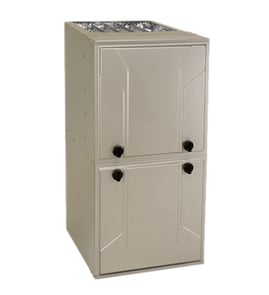



Is it worth fixing a 20 year old furnace?
For an Icp gas furnace like model G9MAC1002120A1, a 20-year-old unit is usually not worth investing in major repairs; replacement is typically the better long-term value. A small, targeted repair can make sense when the furnace is otherwise reliable and the fix is straightforward.
A practical way to decide (repair vs. replace)
Use these rules of thumb to make a clear call:
- Repair when it is a single, non-recurring issue (for example, an igniter or safety switch) and the furnace has been dependable.
- Replace when you are seeing repeated no-heat calls, nuisance shutdowns, or multiple parts failing in the same season.
- Replace when the repair estimate is around 50% or more of the cost of a new furnace installed.
- Replace when comfort is inconsistent (short cycling, uneven heat) and airflow or sizing problems are suspected.
- Repair only after correcting basics like filter condition, venting, and return-air temperature limits.
Safety and reliability factors that matter on this model
Your G9MAC1002120A1 is a Category IV condensing furnace; installation details (vent sizing/material, gas input rate, temperature rise, and leveling) directly affect reliability. The installation guidance also emphasizes that only basic maintenance (like filter changes) is DIY; service and repairs should be handled by trained personnel. See the installation guide.
Why it matters
Improper venting, incorrect gas input, or return-air temperatures outside the recommended range can cause repeated shutdowns and shorten component life. Fixing the root cause prevents you from replacing parts that fail again.
Common “worth fixing” repairs (when the rest of the furnace is sound)
These are examples of parts that often restore heat without turning into a money pit:
| Symptom | Common part to check | Example part for this model |
|---|---|---|
| Furnace tries to light, then fails | Ignition component | Furnace burner igniter 1176919 |
| Furnace shuts down on high temperature | Safety limit circuit | Furnace temperature limit switch 1177033 |
| Furnace stops when door is on or off | Interlock safety | Furnace door switch 1171981 |
When replacement is the smarter move
Replacement is the better decision when you have frequent breakdowns, rising operating costs, or you are stacking repairs (for example, ignition plus safety trips plus venting or condensate issues). At 20 years, efficiency gains and fewer emergency failures usually outweigh another major repair.
Last updated: February 2026
What is the most common part to fail on a furnace?
On the Icp G9MAC1002120A1 gas furnace, the most common “failure” we see is a safety shutdown caused by restricted airflow (usually a dirty air filter) that overheats the furnace and opens a safety limit. After airflow issues, ignition components and safety switches are frequent culprits.
Most common furnace failures (in order)
- Dirty air filter or blocked return/supply vents: overheats the heat exchanger area and trips a limit
- High-limit or rollout safety switch opening: often a symptom of overheating, not the root cause
- Ignition problems: igniter wear, flame-sensing issues, or poor combustion air
- Condensate drainage problems (high-efficiency furnaces): trap or drain restrictions can stop operation
- Door switch not made: furnace will not run with the blower door off or switch misaligned
Parts on this model that commonly relate to “no heat” calls
If your furnace is shutting down or short-cycling, these model-listed parts are the ones we check most often:
| Symptom | What it often points to | Example part on this model |
|---|---|---|
| Starts then shuts off quickly | Overheat condition, limit opening | Furnace temperature limit switch 1177033 |
| No ignition or intermittent ignition | Ignition component issue | Furnace burner igniter 1176919 |
| Dead, no response when door is on | Door safety circuit not closed | Furnace door switch 1171981 |
| High-efficiency unit stops, water present | Drain/trap restriction | Trap assembly 1184288 |
Quick checks we recommend before replacing parts
- Replace the air filter and confirm return grilles are not blocked
- Make sure supply registers are open and not covered
- Verify the blower door is fully seated (door switch must close)
- If it is a condensing furnace, check for a kinked drain tube or a backed-up trap
- Follow the safety and installation requirements in the installation guide
Why it matters
Airflow and venting issues can trigger safety devices designed to prevent overheating and unsafe operation. Fixing the root cause (airflow, combustion air, venting, condensate drainage) prevents repeat shutdowns and protects major components.
Last updated: February 2026
What is the most expensive part to fix on a furnace?
On an Icp gas furnace like model G9MAC1002120A1, the most expensive repair is the one that requires the most labor and safety verification. In real-world service, that is most often a major sealed-combustion or airflow component (commonly the heat exchanger or a full blower assembly), but the exact “most expensive” job depends on what failed.
What usually drives the highest repair cost
We focus on two things: part price and labor time. These items tend to be the biggest-ticket repairs on many gas furnaces.
- Heat exchanger replacement (major disassembly; combustion safety checks)
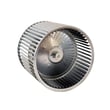
- Blower motor or blower assembly work (airflow setup and verification)
- Main control board replacement (wiring accuracy and ESD handling)
- Inducer motor replacement (venting and pressure-proving operation)
- Gas valve replacement (gas leak testing and proper adjustment)
Cost drivers (what changes the total)
Instead of quoting model-specific dollar amounts, use these factors to judge whether a repair will be “high” or “very high.”
| Repair factor | What it affects | Why it matters |
|---|---|---|
| Labor time | Total cost most | Major tear-down jobs cost more even if the part is moderate |
| Safety testing | Time and tools | Combustion, venting, and gas checks add steps |
| Access to the part | Labor time | Tight installs and attic closets increase time |
| Multiple parts damaged | Parts cost | Overheating or water issues can cascade failures |
What to check first on G9MAC1002120A1 (often lower-cost fixes)
These problems can stop heat and look “major,” but they are commonly simpler.
- Make sure the blower door is fully seated; a failed interlock can shut the furnace down (see furnace door switch 1171981)
- If the furnace tries to light but never ignites, the igniter is a common failure point (see furnace burner igniter 1176919)
- If it lights then shuts off quickly, overheating or restricted airflow can trip the limit circuit (see furnace temperature limit switch 1177033)
- Replace a dirty filter and open closed registers before deeper diagnosis
- Follow venting, gas input, and temperature-rise setup requirements in the installation guide
Why it matters
The highest-cost furnace repairs are tied to safe combustion, venting, and airflow. Getting the basics right helps prevent nuisance shutdowns and premature component damage.
Last updated: February 2026