


What is the lifespan of a B&S engine?
Most Briggs & Stratton lawn and garden engines like model 12L902-0663-E1 typically last 500 to 3,000+ operating hours; with consistent maintenance (clean oil, clean air intake, fresh fuel), many homeowners see 10 to 20 years of seasonal use before major internal wear becomes the deciding factor.
Typical lifespan ranges (what to expect)
Engine life is usually limited by lubrication quality, air filtration, fuel condition, and overheating.
- 500 to 1,000 hours: heavy dust, infrequent oil changes, stale fuel, or overheating
- 1,000 to 2,000 hours: normal homeowner use with routine maintenance
- 2,000 to 3,000+ hours: excellent maintenance, clean operating conditions, correct oil level
| Usage pattern | Common outcome | What usually ends life first |
|---|---|---|
| Occasional mowing (light load) | Long service life | fuel system varnish, neglected oil changes |
| Weekly mowing (normal load) | Mid to long service life | carburetor wear, compression loss |
| Commercial or dusty use | Shorter service life | accelerated ring/cylinder wear |
Maintenance that adds the most hours
These are the highest-impact habits for extending life on a Briggs engine.
- Change oil on schedule and keep the oil level correct
- Keep cooling fins and blower housing clear of grass and debris
- Use fresh gasoline; avoid storing fuel in the tank for long periods
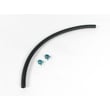
- Replace cracked or soft fuel hose (a leak can cause lean running and overheating) using the Briggs & stratton lawn & garden equipment engine fuel line, red 791766
- Fix hard-starting or surging early; fuel issues often snowball into bigger problems
Why it matters
A small engine can “wear out” from internal damage, but many failures that feel like end-of-life are actually fuel delivery or air leak problems. Addressing those early often restores power and prevents long-term overheating and scoring.
Quick signs your engine is nearing end-of-life
- Low power even with fresh fuel and a clean carburetor
- Excessive oil consumption or heavy smoke
- Hard starting that returns quickly after tune-up work
- Persistent knocking or loss of compression
Last updated: February 2026
How to find part number for Briggs and Stratton carburetor?
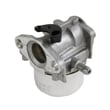
For Briggs 12L902-0663-E1, the most reliable way to find the correct carburetor part number is to match your engine’s exact model and type code, then cross-check the carburetor listing for that engine. On this model’s parts list, the carburetor is shown as Briggs & statton lawn & garden equipment engine carburetor 799868.
Step-by-step: confirm the right carburetor
- Locate the engine ID stamping on the blower housing or valve cover area.
- Write down the full engine model (12L902-0663-E1) plus the type and code (these narrow the exact carburetor build).
- Compare your carburetor’s visible features: choke style (manual/auto), primer bulb (yes/no), and linkage layout.
- Check whether your current carburetor has a bowl nut/jet at the bottom (common on many small engines).
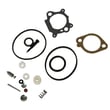
- If you are rebuilding instead of replacing, identify the gasket and float parts used on this carburetor.
Quick parts cross-check (common carburetor-related items)
Use this table to decide whether you need a full carburetor or just service parts.
| What you see/symptom | Most likely need | Example part on this model |
|---|---|---|
| Fuel leaks from carb bowl | Bowl gasket | Briggs & stratton lawn & garden equipment engine carburetor float bowl gasket 693981 |
| Flooding, gas in air filter | Needle valve and float | Briggs & stratton lawn & garden equipment engine carburetor needle valve 398188, Briggs & stratton lawn & garden equipment engine carburetor float 398187 |
| Runs only on choke or surges | Cleaning or full carb replacement | Briggs & statton lawn & garden equipment engine carburetor 799868 |
Why it matters
Small-engine carburetors are highly build-specific. Matching the full engine identification (not just “Briggs carburetor”) prevents wrong linkage geometry, incorrect jetting, hard starting, and hunting/surging under load.
Last updated: February 2026
What are common B&S engine problems?
Common Briggs lawn and garden engine problems on model 12L902-0663-E1 usually come from fuel delivery, air intake, or ignition issues; these show up as hard starting, surging, stalling, or loss of power. We start with the simple checks first because they fix most complaints fast.
Most common symptoms and likely causes
- Won’t start or only runs on choke: stale fuel, restricted fuel flow, dirty carburetor
- Surging or hunting at idle: air leak at intake, dirty carburetor circuits, governor linkage/spring issue
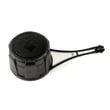
- Starts then dies: clogged fuel cap vent, debris in tank, fuel line restriction
- Runs rough or lacks power: dirty air filter, muffler restriction, ignition weakness
- Kickback when pulling the rope: sheared flywheel key, ignition timing shifted
Quick checks we recommend (in order)
- Drain old fuel and refill with fresh fuel.
- Inspect the fuel line for cracking, softness, or kinks; replace if questionable.
- Check the air filter area and sealing surfaces for dirt and gaps.
- Pull and inspect the spark plug (fouling, wet fuel, heavy carbon).
- If symptoms persist, clean or rebuild the carburetor (especially the bowl and needle/seat).
Parts that commonly solve these problems
| Symptom | Part to inspect/replace | What it fixes |
|---|---|---|
| Starts then dies, fuel smell, leaks | Briggs & stratton lawn & garden equipment engine fuel line, red 791766 | Cracked or restricted fuel supply |
| Surging, flooding, fuel in bowl | Briggs & stratton lawn & garden equipment engine carburetor float bowl gasket 693981 | Bowl air leaks and seepage |
| Flooding or fuel overflow | Briggs & stratton lawn & garden equipment engine carburetor needle valve 398188 | Needle not sealing, overfilling |
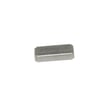
| Pull-rope kickback, no-start after impact | Briggs & stratton lawn & garden equipment engine flywheel key 222698S | Restores correct flywheel timing |
Why it matters
Fuel and air problems can mimic “major engine failure.” Fixing a small air leak, replacing a deteriorated fuel line, or servicing the carburetor often restores normal starting and power and helps prevent plug fouling and hard restarts.
Last updated: February 2026
What are the parts of a lawn mower engine?
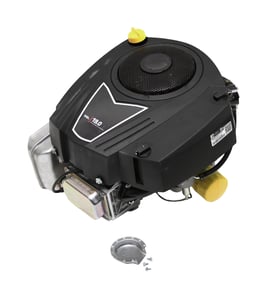
A lawn mower engine like the Briggs 12L902-0663-E1 is built from a few core systems: fuel delivery, air intake, ignition, starting, and internal moving parts. When you know which system matches your symptom (won’t start, surges, leaks, low power), it’s much faster to identify the right replacement part.
Main engine systems (what they do)
- Fuel system: stores and delivers gas to the carburetor (tank, fuel line, carburetor, float, needle valve)
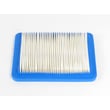
- Air intake: filters air and seals the intake path (air cleaner base gasket)
- Ignition and shutoff: creates spark and stops the engine (ignition coil, stop switch, flywheel key)
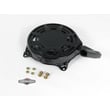
- Starting system: lets you pull-start the engine (recoil rope, handle, recoil housing, friction spring)
- Exhaust: routes exhaust safely and reduces noise (muffler)
- Lubrication and sealing: holds oil and prevents leaks (oil sump, dipstick tube O-ring)
- Internal engine: makes power (piston, piston rings, camshaft, cylinder head)
Common parts you may replace on model 12L902-0663-E1
These are frequent wear items and “no-start” culprits:
- Briggs & stratton lawn & garden equipment engine fuel line, red 791766 (cracks, leaks, fuel starvation)
- Briggs & statton lawn & garden equipment engine carburetor 799868 (varnish, surging, won’t run)
- Briggs & stratton lawn & garden equipment engine carburetor float bowl gasket 693981 (fuel seepage at bowl)
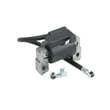
- Briggs & stratton lawn & garden equipment engine ignition coil 590454 (no spark)
- Briggs & stratton lawn & garden equipment engine flywheel key 222698S (backfire, timing shift after impact)
Quick symptom-to-part checklist
| Symptom | Most likely system | Parts to inspect first |
|---|---|---|
| Won’t start | Fuel or ignition | Fuel line, carburetor, ignition coil, stop switch |
| Starts then dies | Fuel delivery | Fuel tank, fuel line, carburetor float/needle |
| Surges at idle | Carburetion/air leak | Carburetor, float bowl gasket, air cleaner gasket |
| Rope won’t retract | Starting | Recoil rope, recoil housing, friction spring |
Why it matters
Engines are simple, but symptoms overlap. Breaking the engine into systems helps us avoid replacing good parts and focus on the most likely failure points first.
Last updated: February 2026
Can you still get parts for Briggs & Stratton engines?
Yes. We still see strong parts availability for Briggs & Stratton engines, including the Briggs 12L902-0663-E1 lawn and garden engine. The key is matching the exact engine model and type code, then ordering common wear items like fuel, carburetion, and starter parts.
Best ways to find the right part
- Use the full engine model number and type code from the blower housing or valve cover area.
- Match the part by name and ID, not just by a photo.
- Start with common service items first (fuel line, carburetor gaskets, recoil parts).
- If the engine ran poorly after storage, prioritize fuel-system parts and cleaning.
- If the engine won’t start after a sudden stop or impact, check ignition and flywheel-related parts.
Commonly replaced parts for model 12L902-0663-E1
These are frequent fixes we see for small lawn and garden engines:
| Symptom | Most likely area | Example part for this model |
|---|---|---|
| Hard starting, surging, won’t stay running | Fuel delivery or carburetor | Briggs & stratton lawn & garden equipment engine fuel line, red 791766 |
| Fuel leak at carb bowl | Carburetor sealing | Briggs & stratton lawn & garden equipment engine carburetor float bowl gasket 693981 |
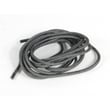
| Pull cord frayed or broken | Recoil starter | Briggs & stratton lawn & garden equipment engine recoil starter rope 697316 |
| No spark after a sudden stop | Ignition or flywheel key | Briggs & stratton lawn & garden equipment engine flywheel key 222698S |
Why it matters
Briggs engines are built in families, and small differences in model and type can change the carburetor, governor linkage, or ignition parts. Using the exact 12L902-0663-E1 identification helps you avoid returns and gets the engine running correctly the first time.
Last updated: February 2026