 Owner’s manual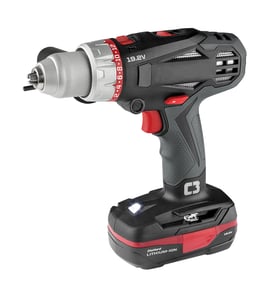

What size chuck is a Craftsman hammer drill?
The Craftsman hammer drill model 315101360 uses a 1/2-inch chuck; the operator’s manual lists a chuck capacity of 5/64 in. to 1/2 in., so it accepts bits and accessories with shanks up to 1/2 inch. See the owner's manual for the exact specifications and operating details.
A 1/2-inch chuck refers to the maximum shank diameter the chuck jaws can clamp.
- Maximum bit shank size: 1/2 in.
- Minimum bit shank size: about 5/64 in.
- This model uses a keyed chuck (it tightens with a chuck key)
- The chuck can be removed for certain accessories (per the manual)
| Spec | What to expect |
|---|---|
| Chuck capacity | 5/64 in. to 1/2 in. |
| Chuck type | Keyed (uses a chuck key) |
| Typical use | Hammer drilling masonry; drilling wood/metal |
Using the right bit shank size and tightening method helps prevent wobble and bit slippage.
- Insert the bit fully into the chuck jaws before tightening
- Tighten the chuck securely with the chuck key (do not use a wrench)
- If the chuck develops wobble, follow the manual steps to retighten a loose chuck
- Unplug the drill before installing or removing bits
Matching the chuck size to your drill bits prevents slipping, reduces runout (wobble), and helps you drill cleaner holes in wood, metal, concrete, and masonry.
Last updated: February 2026
Where can I buy Craftsman replacement parts?
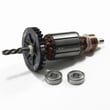
You can buy replacement parts for your Craftsman hammer drill model 315101360 through the parts list for that model on Sears PartsDirect; matching the model number helps ensure you get identical replacement parts that fit and work correctly. For diagrams and part identification, use the owner's manual.
- Use the exact model number: 315101360 when searching parts.
- Identify the part by name and location using the exploded view and repair parts list in the manual.
- Replace only the customer-serviceable items shown in the parts list.
- Use identical replacement parts when servicing the tool.
- If the repair involves internal double-insulated components, use a qualified repair technician.
The manual for this Craftsman hammer drill emphasizes using identical replacement parts and following the maintenance instructions. It also notes that only parts shown on the parts list are intended to be repaired or replaced by the customer; other components are part of the double insulation system and should be serviced by qualified personnel.
| What to confirm | Why it matters | Where to find it |
|---|---|---|
| Model number 315101360 | Prevents wrong-fit parts | Tool nameplate and owner's manual |
| Part name and diagram location | Confirms you picked the correct component | Exploded view/parts list |
| Symptoms (won’t run, sparking, chuck issues) | Helps narrow to the right assembly | Troubleshooting notes in manual |
Power tools can expose you to shock and injury risks if repaired incorrectly. Using the correct, identical parts and limiting DIY replacement to the parts intended for customer service helps keep the tool safe and reliable.
Last updated: February 2026
Do I need special bits for a hammer drill?
For the Craftsman 315101360 hammer drill, you do not need “special” bits for every job, but you do need the right bit type for the material. In hammer mode, we recommend carbide-tipped masonry impact bits for brick, tile, and concrete; use standard twist bits and other accessories in normal drill mode (see the owner's manual).
- Concrete, brick, tile: carbide-tipped masonry impact bits; use hammer mode
- Wood: high speed steel (HSS) bits; use drill mode
- Metal: HSS bits; use drill mode
- Hole saws, twist drills, driving accessories: drill mode (not hammer mode)
- Unplug the drill before installing or removing bits.
- Insert the bit fully into the chuck jaws, then tighten securely with the chuck key.
- Use medium speed with light pressure in brick; add pressure for harder concrete.
- Start holes at low speed to prevent the bit from walking, then increase speed as it bites.
| Task | Mode to select | Bit type |
|---|---|---|
| Drill into concrete | Hammer mode | Carbide-tipped masonry impact bit |
| Drill into wood | Drill mode | HSS wood bit |
| Drill into metal | Drill mode | HSS metal bit |
| Use hole saw or twist drill | Drill mode | Hole saw or twist drill |
Using a masonry impact bit in hammer mode helps the tool’s hammering action break up hard material efficiently. Using hammer mode with the wrong accessory can reduce performance and can increase the chance of bit binding or loss of control.
Last updated: February 2026
Can a hammer drill be used like a normal drill?
Yes. Your Craftsman 315101360 hammer drill works like a normal drill when you switch it to drill mode (hammer function off). In drill mode, it’s intended for wood, plastics, ceramics, fiberglass/laminates, and metal, and it can also drive screws with the right bit.
Use the mode selector on top of the motor housing to choose the drill-bit symbol (normal drilling action). For step-by-step operating and safety details, follow the owner's manual.
Best practices in drill mode
- Use twist drills or hole saws for typical drilling tasks.
- Start at a low speed to keep the bit from walking, then increase speed as the bit bites.
- For metal, use light oil on the bit to reduce heat and extend bit life.
- Use steady, moderate pressure; too much pressure can overheat the bit and wear bearings.
- If the bit jams or the drill stalls, stop immediately and clear the cause before continuing.
Hammer mode is for hard materials like brick, tile, concrete, and masonry. For best results, use carbide-tipped masonry bits and apply light pressure with a medium speed.
| Task | Recommended mode | Bit type |
|---|---|---|
| Wood drilling | Drill mode | High speed steel (HSS) wood bit |
| Metal drilling | Drill mode | HSS metal bit (use light oil) |
| Concrete/brick/tile | Hammer mode | Carbide-tipped masonry bit |
| Driving screws | Drill mode | Screwdriver bit |
Using the correct mode protects the motor and bearings, improves hole quality, and reduces bit breakage. Drill mode gives you smoother control for lighter materials; hammer mode adds impact for masonry where a standard drill struggles.
Last updated: February 2026