Installation guide
 Owner’s manual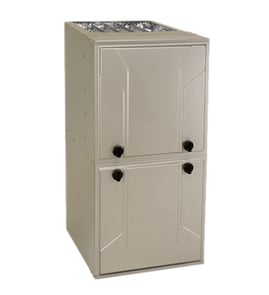

What is the most common part to fail on a furnace?
The most common “failure” on a Coleman DGAA077BDTB furnace is usually not a major part; it is restricted airflow from a dirty air filter, which overheats the furnace and trips the high-limit safety control. Ignition components (flame sensor or igniter) and thermostat issues are also frequent causes.
Most common furnace problems (in order)
- Dirty/clogged air filter: reduces airflow; furnace overheats and shuts down.
- High-limit switch trips: often caused by dirty filter, undersized ducts, or blower issues.
- Flame sensor dirty: burners light then shut off quickly.
- Hot surface igniter wear: no ignition or intermittent ignition.
- Pressure switch/venting issues: blocked vent or combustion air piping can prevent firing.
What the DGAA077BDTB documentation points to
Your installation instructions emphasize that overheating is a major risk when airflow is restricted. Common contributors include dirty filters, improper duct sizing (high static pressure), incorrect gas setup, or a faulty limit switch. Use the DGAA077BDTB installation guide to confirm required airflow, temperature rise checks, and venting/combustion air requirements.
Quick checks you can do before replacing parts
- Replace the air filter with the correct size and type.
- Make sure supply registers and return grilles are open and not blocked.
- Check the vent and combustion air terminations for blockage (leaves, snow, debris).
- If the furnace starts then stops, clean the flame sensor (light surface cleaning only).
- If the blower runs but heat shuts off repeatedly, schedule service to check temperature rise and static pressure.
Symptom-to-likely-cause guide
| Symptom | Most likely cause | What to do first |
|---|---|---|
| Runs briefly, then shuts off | Overheating, limit trip | Replace filter; open vents/returns |
| Blower runs, no heat | Ignition or safety lockout | Check thermostat; inspect venting |
| Lights then goes out quickly | Flame sensor issue | Clean flame sensor |
| Won’t start at all | Thermostat/power/igniter | Verify power and thermostat call for heat |
Why it matters
Repeated overheating can damage the heat exchanger and create unsafe operating conditions. Keeping airflow correct (filter, ducts, blower) prevents nuisance shutdowns and protects critical furnace components.
Last updated: February 2026
How many square feet will a 80,000 BTU gas furnace heat?
An 80,000 BTU gas furnace (like many setups using the Coleman DGAA077BDTB) typically heats about 1,600 to 2,400 sq ft in a moderate climate with average insulation. The real number depends on your climate zone, insulation, ductwork, and ceiling height; confirm sizing details in the DGAA077BDTB installation guide.
Quick sizing ranges (rule-of-thumb)
Use these as a starting point for an 80,000 BTU furnace; a proper load calculation is still the right way to size.
- Warm climates: ~2,200 to 3,000 sq ft
- Moderate climates: ~1,600 to 2,400 sq ft
- Cold climates: ~1,200 to 1,800 sq ft
- Poor insulation or lots of glass: expect the lower end of each range
- High ceilings (over 8 ft): reduce the square-foot estimate
Why the same BTU heats different square footage
A furnace heats air, but the home loses heat at different rates. These factors change the required BTUs per square foot:
- Outdoor design temperature (climate zone)
- Insulation levels in attic and walls
- Window type, size, and air leakage
- Duct leakage and airflow restrictions
- Ceiling height and open floor plans
Simple comparison table
| Home condition | Typical BTU per sq ft | 80,000 BTU rough coverage |
|---|---|---|
| Tight, well-insulated | 25 to 35 | ~2,300 to 3,200 sq ft |
| Average insulation | 35 to 50 | ~1,600 to 2,300 sq ft |
| Leaky, under-insulated | 50 to 65 | ~1,200 to 1,600 sq ft |
Why it matters (comfort and cost)
Correct sizing helps your Coleman furnace run longer, steadier cycles for better comfort, safer venting performance, and lower operating cost. Oversizing often causes short-cycling and uneven temperatures; undersizing struggles on the coldest days.
Last updated: February 2026
What are the most common furnace repairs?
For the Coleman DGAA077BDTB furnace, the most common repairs are usually tied to airflow, ignition, and safety controls: replacing a dirty air filter, cleaning a flame sensor, fixing thermostat or power issues, and addressing blower or door-switch problems that cause no heat, weak airflow, or short cycling. See the DGAA077BDTB installation guide for safety and service access rules.
Common repairs we see most often
- Airflow restrictions: clogged filter, blocked return vents, or closed registers (often causes overheating and shutdowns).
- Ignition problems: igniter/pilot issues, gas supply interruptions, or control lockout after failed lighting attempts.
- Flame sensing issues: dirty flame sensor causing burners to light briefly then shut off.
- Electrical/power issues: tripped breaker, loose wiring, or incorrect supply (these furnaces use nominal 115 VAC, 1-phase, 60 Hz).
- Blower and airflow delivery: blower motor/capacitor problems, noisy blower wheel, or weak airflow.
- Safety interlocks: furnace will not run correctly if the blower door is removed.
Quick checks you can do safely (before calling for service)
- Replace the air filter and confirm return grilles are not blocked.
- Verify thermostat settings (heat mode, setpoint above room temp, fresh batteries if applicable).
- Check the breaker and furnace service switch.
- Make sure both furnace doors are installed and seated correctly.
- If the unit is in an unconditioned space after a long power outage, have it inspected before restarting.
What typically needs a trained technician
Installing and servicing gas heating equipment involves electrical and gas-fired components; we follow the guidance that trained personnel handle repairs beyond basic maintenance.
| Symptom | Common cause | Typical fix |
|---|---|---|
| No heat, blower runs | Ignition lockout, gas supply issue | Diagnose ignition sequence, verify gas pressure/supply |
| Burners light then shut off | Dirty flame sensor | Clean/replace flame sensor |
| Short cycling | Dirty filter, restricted airflow | Replace filter, correct airflow restrictions |
| Won’t run at all | Door switch open, power issue | Reinstall doors, restore power, test controls |
Why it matters
Many “repair” calls start with airflow or a safety interlock. Correcting those first helps prevent nuisance shutdowns and protects the heat exchanger and venting system.
Last updated: February 2026
What are signs of a failing furnace part?
Common signs of a failing part in your Coleman DGAA077BDTB furnace include unusual noises, short cycling, weak heat, and repeated shutdowns. We also treat repeated high-temperature limit trips as a serious warning because they often point to airflow problems that can overheat internal components (especially the heat exchanger). See the DGAA077BDTB installation guide for safety limits and inspection guidance.
Quick signs to watch for
- Furnace starts then shuts off quickly (short cycling)
- Blower runs but heat output is low or inconsistent
- New rattling, buzzing, or rumbling noises during ignition or blower operation
- Burning smell that persists after a brief start-up period
- Frequent lockouts or repeated resets needed to restore heat
- Hot supply air and poor airflow at registers (often tied to a dirty filter or duct restriction)
What these symptoms often mean
| Symptom | Common cause | What to check first |
|---|---|---|
| Short cycling | Limit control tripping from overheating | Filter, supply/return vents, blower operation |
| Weak heat | Restricted airflow or venting issue | Filter, duct sizing, vent/combustion air piping |
| Repeated lockouts | Safety control reacting to unsafe conditions | Venting, combustion air, blower, limit trips |
| Unusual noises | Loose panel, blower issue, ignition noise | Door panels seated, blower wheel, mounting screws |
Safe checks we recommend before replacing parts
- Turn off electrical power to the furnace before opening panels.
- Check and replace the air filter if it is dirty; restricted airflow is a top cause of overheating.
- Make sure supply registers and return grilles are open and not blocked.
- If the furnace is in an unconditioned space, do not run it after an extended power failure until it has been inspected.
- Confirm the furnace doors are installed correctly; many furnaces will not run safely if panels are loose or misaligned.
Why it matters
Overheating conditions (often caused by dirty filters, undersized ducts, incorrect gas setup, or a faulty limit switch) can drive the furnace above its maximum supply air temperature. That can lead to premature heat exchanger damage and unsafe operation. Annual heat exchanger inspection access is also important for long-term reliability.
Last updated: February 2026
How do you troubleshoot a Coleman furnace?
For the Coleman DGAA077BDTB furnace, we troubleshoot by confirming safe power and thermostat settings first, then checking airflow and the ignition sequence. If the furnace tries to light three times and stops, it is typically in a lockout that points to a fuel, ignition, or safety-sensing issue; follow the steps in the DGAA077BDTB installation guide.
Quick checks (start here)
- Set the thermostat to Heat and raise the setpoint 3 to 5 degrees.
- Confirm the furnace has power (breaker on, service switch on).
- Replace or clean the air filter; restricted airflow can cause overheating and shutdown.
- Make sure supply registers and return grilles are open and not blocked.
- If the furnace is in an unconditioned space after an extended power outage, have it inspected before running.
Gas and ignition troubleshooting (use caution)
Gas furnaces can be hazardous; if you smell gas, stop and contact your gas supplier or a qualified technician.
- Verify the external gas shut-off valve is open.
- Check for residual air in the gas line on first start-up; ignition can be rough until air is purged.
- If the unit attempts ignition and fails repeatedly, do not keep cycling power; address the cause.
- Never use an open flame to check for gas leaks; use an approved leak detector or soap solution.
What “3 tries then stops” usually means
Many furnaces will attempt ignition 3 times before going into lockout. This often relates to one of these categories:
| Symptom | Common category | What to do next |
|---|---|---|
| Inducer runs, no ignition | Gas supply or valve issue | Confirm shut-off valve open; technician checks inlet/manifold pressure |
| Ignites then shuts off quickly | Flame sensing issue | Technician cleans/tests flame sensor and grounding |
| Runs then shuts down | Overheat/airflow issue | Replace filter, open vents, check blower and duct restrictions |
Why it matters
Correct troubleshooting protects the heat exchanger and gas valve, and it prevents unsafe conditions like improper combustion or gas leaks. The installation guidance also notes temperature and power-failure conditions that can lead to condensation and component damage.
Last updated: February 2026
What is the most expensive part of a gas furnace to replace?
In most gas furnaces, including the Coleman DGAA077BDTB, the heat exchanger is typically the most expensive component to replace because it is central to safe heat transfer and is labor-intensive to access and swap. Confirm your exact configuration in the DGAA077BDTB installation guide.
Why the heat exchanger is usually the costliest
The heat exchanger sits between combustion and your home’s airflow. Replacing it often involves significant disassembly, careful re-sealing, and setup checks.
Common reasons it drives total cost up:
- High part cost compared with many controls and sensors
- Significant labor time (accessing the exchanger and reassembling the furnace)
- Safety-critical work (combustion and venting must be correct)
- Post-repair checks (gas leak checks, proper ignition, correct input)
Other expensive furnace repairs to know about
Depending on what fails, these can also be high-cost repairs:
- Inducer motor assembly
- Blower motor (circulating fan)
- Gas valve
- Control board (ignition control)
- Venting components (for example, roof jack or flue parts in some installations)
Quick cost comparison (typical)
| Component | Typical cost driver | Why it varies |
|---|---|---|
| Heat exchanger | Part + high labor | Furnace design, access, venting setup |
| Blower motor | Part + moderate labor | Motor type, speed control |
| Inducer motor | Part + moderate labor | Venting style, mounting |
| Control board | Part-heavy | Model-specific electronics |
Why it matters
A heat exchanger problem affects both performance and safe separation of combustion gases from the air your furnace circulates. For the DGAA077BDTB, installation guidance also emphasizes qualified service for gas-fired components and verifying correct gas input and leak-free connections after service.
What we recommend before you replace major parts
- Check the furnace rating plate for the specified input and electrical requirements
- If the furnace is being replaced or venting is being changed, follow venting and roof jack guidance
- After any gas component work, verify joints and connections are leak-free using an approved method
- Use the wiring diagram and sequence of operation to avoid misdiagnosis
- If you are only doing basic upkeep, stick to tasks like air filter replacement
Last updated: February 2026
How much does a 80,000 BTU furnace cost to install?
Installing an 80,000 BTU gas furnace typically runs $4,500 to $10,000 for a straightforward replacement, and $8,000 to $15,000 when venting, ductwork, gas piping, electrical, or permit requirements change. Coleman model DGAA077BDTB is a similar mid-size furnace (about 77,000 BTU input), so the same cost drivers apply; confirm installation requirements in the DGAA077BDTB installation guide.
What usually makes the price go up or down
Contractors build quotes around the scope of work, not just BTU size. The biggest cost drivers are:
- Efficiency and vent type: non-condensing vs. condensing (PVC venting and condensate drain)
- Venting changes: new routing, termination location, and required clearances
- Ductwork and airflow setup: sealing, return air changes, static pressure adjustments
- Gas line work: shutoff valve, sediment trap, pressure testing, resizing
- Electrical and controls: disconnect, wiring corrections, thermostat upgrades
- Permits and inspections: local requirements and re-inspection time
Typical installed cost ranges (quick guide)
| Installation scenario | Typical installed cost | What’s included most often |
|---|---|---|
| Like-for-like replacement (minimal changes) | $4,500 to $10,000 | Removal, set-in-place, basic connections, startup checks |
| Venting or ductwork modifications | $8,000 to $15,000 | Added materials, extra labor, code compliance work |
| High-efficiency conversion with added complexity | $10,000 to $18,000 | Vent conversion, condensate drain, commissioning |
Installation details that affect DGAA077BDTB labor
The DGAA077BDTB installation instructions call out items that commonly add time and materials:
- Approved fuel type (natural gas or propane/LP)
- Venting clearances and termination placement rules
- External static pressure setup for heating operation
- Startup testing (temperature rise and gas pressures using a thermometer and manometer)
For operating and safety information after the job is complete, keep the DGAA077BDTB owner’s manual with the furnace.
Why it matters
Two furnaces with similar BTU ratings can have very different installed prices because venting layout, duct static pressure, and gas input setup determine the amount of labor, materials, and verification testing required.
Last updated: February 2026