Installation guide
 Owner’s manual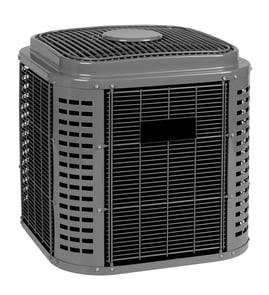




What is the life expectancy of a Carrier air conditioner?
A Carrier central air conditioner like model 24ACC636A0030010 typically lasts 15 to 20 years. With consistent annual inspections, clean airflow (filters and vents), and proper outdoor-unit drainage and coil care, it reaches the upper end of that range.
Most central AC systems deliver their best reliability and efficiency in the first 10 to 15 years. After that, repairs become more common and performance can drop if maintenance is skipped.
| Age of system | What we typically see | What to do |
|---|---|---|
| 0 to 10 years | Strong cooling, fewer repairs | Keep up with routine maintenance |
| 10 to 15 years | Wear starts showing (electrical parts, airflow issues) | Schedule annual inspection and address small issues early |
| 15 to 20 years | Higher repair frequency, efficiency decline | Compare repair cost vs. replacement planning |
The 24ACC636A0030010 manual calls out several items that directly affect longevity and reliability. We recommend:
- Check indoor and outdoor disconnects, plus breakers or fuses, before calling for service
- Keep air filter(s) reasonably clean and vents open and unobstructed
- Verify thermostat settings (cool setpoint lower than room temperature)
- Keep the outdoor unit level so the base pan drains correctly (standing water shortens component life)
- Have an annual inspection that includes coil cleaning, drain pan and drain line inspection, and checking electrical wiring and connections
For the full maintenance checklist and operating guidance, use the owner's manual.
If you live near the ocean, salt air speeds corrosion. Washing exposed surfaces and the outdoor coil about every 3 months helps protect the cabinet and coil and can extend service life.
A central air conditioner is a system; airflow, drainage, and electrical connections all affect compressor and fan workload. When those basics are kept in spec, the unit runs with less strain, which directly improves lifespan and reduces nuisance shutdowns.
Last updated: February 2026
How to buy Carrier parts?
You can buy replacement parts for your Carrier central air conditioner model 24ACC636A0030010 by matching the exact model number from the outdoor unit rating plate, then selecting the correct item from the parts list for this model. Use the owner's manual to confirm part identification and safe handling steps.
- Match model number 24ACC636A0030010 exactly (use the outdoor unit rating plate).
- Use the part name and part number when ordering.
- For electrical parts, match coil voltage, contact rating, and terminal style.
- Shut off power at the outdoor disconnect and the main breaker before inspecting parts.
- Keep the model and serial numbers handy; they help ensure the correct replacement.
These are examples of parts listed for 24ACC636A0030010 that customers commonly replace during electrical or cabinet repairs:
| Example part | What it does | Common reason to replace |
|---|---|---|
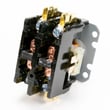
| Contactor (part number HN51KC024) | Switches high voltage to the outdoor unit components | Pitted contacts, buzzing, outdoor unit will not start |
| Grommet KA56GR140 | Protects wiring or tubing where it passes through panels | Worn insulation, vibration rubbing, panel edge damage |
Central air conditioner parts are not universal. Ordering by the exact model number and matching electrical ratings prevents miswiring, nuisance breaker trips, and repeat failures, especially with high-voltage components.
- Confirm the thermostat is set to Cool and the set temperature is below room temperature.
- Check the indoor and outdoor disconnects, then check breakers or fuses.
- Verify airflow: clean filter, open vents, no blocked returns.
- Allow for built-in time delays that protect the equipment.
Last updated: February 2026
What is the most expensive part to replace on an AC unit?
On a central AC like the Carrier 24ACC636A0030010, the compressor is the most expensive single part to replace because it is the core of the sealed refrigerant system and the job includes high labor plus refrigerant recovery and recharging.
The compressor sits in the outdoor condensing unit and pumps refrigerant through the system. When it fails, the repair typically includes electrical diagnosis, sealed-system work, evacuation, and charging to the unit’s specified charge.
Common high-cost repairs on many central air conditioners include:
- Compressor replacement (highest part cost plus labor)
- Outdoor coil replacement (labor-intensive)
- Refrigerant leak detection and repair (labor plus refrigerant)
- Major electrical/control repairs (varies by design)
Some less expensive electrical parts can prevent the outdoor unit from starting, which can look like a “bad compressor” at first. For example, a failed contactor can keep the compressor and condenser fan from getting power.
| Part type | What it does | Common symptom |
|---|---|---|
| Contactor | Switches high voltage to the compressor and fan | Outdoor unit will not start |
| Wiring/terminals | Carries power and control signals | Intermittent operation, no start |
| Capacitor (if equipped) | Helps motors start/run | Humming, hard start, trips breaker |
Because compressor replacement is a major expense, confirming the real failure first prevents replacing the wrong part. A failed contactor, loose connection, or airflow problem can mimic compressor trouble.
- Disconnect power to both indoor and outdoor units before inspection (there may be more than one disconnect).
- Check for obvious electrical issues: burnt wires, loose terminals, or pitted contactor contacts.
- Confirm airflow basics: keep the indoor filter clean and keep the outdoor unit clear (maintain about 12 inches minimum clearance from tall grass, vines, shrubs, etc.).
- Have refrigerant charge checked using the charging information on the control box cover.
- Follow safety and service guidance in the owner's manual.
Last updated: February 2026
What AC parts are most commonly replaced?
On a Carrier 24ACC636A0030010 central air conditioner, the most commonly replaced items are electrical controls (like the contactor), motor-start components (capacitors), airflow parts (condenser fan motor or blade), and refrigerant-circuit service parts (like the liquid-line filter drier). Use the installation guide for model-specific service and charging practices.
- Contactor: Switches high voltage to the outdoor unit; worn contacts can cause no-cool or no-start.
- Capacitor (run/start): Helps the compressor and fan motor start and run; a weak capacitor often causes humming or hard starts.
- Condenser fan motor or fan blade: Moves air across the outdoor coil; failures can lead to overheating and shutdowns.
- Liquid-line filter drier: Protects the sealed system from moisture and debris; replace any time the refrigerant circuit is opened.
- Low-voltage wiring/connectors: Loose or corroded connections can interrupt the 24 VAC control signal.
| Part from the parts list | What it’s used for | Common replacement trigger |
|---|---|---|
| Contactor (part number HN51KC024) | Switches high voltage to the outdoor unit | No start, chattering, burned contacts |
| Grommet KA56GR140 | Cushions and protects wiring/tubing from vibration and rubbing | Cracked, worn through, vibration noise |
| Plug assembly (part number 324091-406) | Electrical connection component | Heat damage, loose fit, intermittent power |
- Shut off power at the disconnect and breaker before opening panels.
- Inspect the contactor for burn marks and loose spade terminals.
- If the unit runs briefly then stops, check for restricted airflow and a dirty outdoor coil.
- If a motor hums but will not start, test the capacitor with a meter.
- If the sealed system was opened, plan on a new filter drier plus proper evacuation and charging.
Replacing the correct wear part protects expensive components like the compressor and helps maintain efficiency. Following the filter-drier and charging guidance in the installation instructions helps prevent repeat failures.
Last updated: February 2026