
Can you buy replacement parts for a Weber grill?
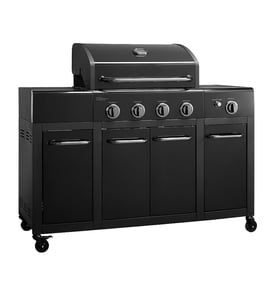
Yes. You can buy replacement parts for your Weber model 271102 gas grill by matching the exact model number and then selecting the correct part by name and diagram location; this prevents ordering the wrong burners, igniter parts, or cooking grates.
How we recommend buying the right Weber 271102 parts
- Confirm the grill’s model number is 271102 on the rating label before you shop.
- Use the model-based parts list and exploded diagrams to identify the exact part description.
- Match key details (fuel type, burner count, finish, and mounting style) before ordering.
- Replace related wear items together when it makes sense (for example, igniter electrode plus wire).
- If you are unsure between two similar-looking parts, compare measurements and hole spacing.
Common Weber gas grill parts people replace
| Part type | What it affects | Typical symptom when failing |
|---|---|---|
| Burner tube(s) | Heat output and flame pattern | Uneven heat, weak flame, flare-ups |
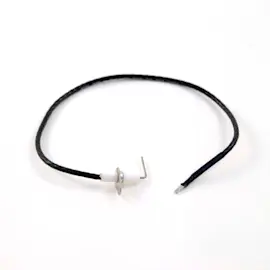
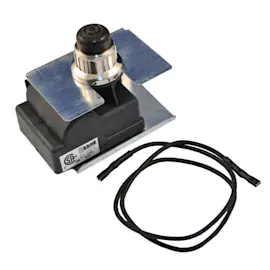
| Igniter (module, electrode, wire) | Lighting | Clicking but no spark, won’t light |
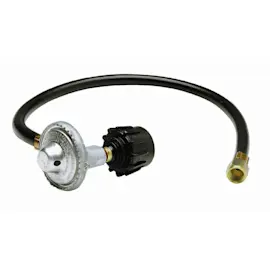
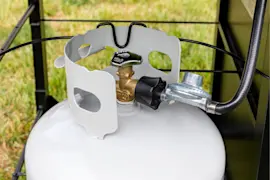
| Regulator/hose | Gas flow | Low flame, surging, won’t stay lit |
| Cooking grates | Cooking surface | Rust, heavy sticking, broken sections |
| Flavorizer bars/heat plates | Heat distribution, flare-up control | Excess flare-ups, hot spots |
Why it matters
Grill parts are often model-specific. Ordering by the exact Weber 271102 model number helps ensure proper fit, safe gas flow, and reliable ignition.
For help confirming the model number before ordering, use our guide: how to find your appliance model number (and what it means for parts).
Last updated: February 2026
Do Weber grills have a lifetime warranty on parts?
Weber grills do not have a blanket lifetime warranty on all parts. Warranty coverage depends on the specific grill series and the specific component (for example, burner tubes often have longer coverage than wear items like igniters or flavorizer bars), so we recommend checking your warranty paperwork for the exact terms for Weber model 271102.
What “lifetime warranty” usually means for grill parts
“Lifetime” coverage, when offered, is typically limited to certain major components and usually applies only to the original owner under normal residential use. Many other parts are covered for shorter periods.
Common examples of shorter-coverage items include:
- Igniter modules and electrodes
- Knobs and bezels
- Thermometers
- Warming racks
- Disposable or consumable items (batteries, etc.)
How to confirm coverage for your Weber 271102
Use this quick checklist so you match the warranty term to the exact part you need:
- Find the grill’s rating label and confirm the model is 271102
- Identify the failed component (burner tube, manifold/valve, igniter, regulator/hose, cooking grate)
- Check your warranty document for the part category and time period
- Compare the part’s condition to “normal wear” vs. defect (warranty language often separates these)
- If you are ordering a replacement, keep your receipt and installation date for your records
Warranty vs. replacement part coverage (typical)
Replacement parts can have their own coverage terms that differ from the original grill warranty.
| Situation | What to expect | What to keep |
|---|---|---|
| Original grill part fails within its warranty window | Coverage depends on the component category | Proof of purchase, model/serial info |
| You buy a replacement part later | Coverage is often shorter than the original component warranty | Receipt and install date |
Why it matters
Knowing whether a part is covered helps you decide whether to troubleshoot first (for example, cleaning burner ports or checking the regulator) or move straight to replacing the burner, igniter, or gas valve components.
For help identifying the correct part category for your repair, use our guide: how to find your appliance model number (and what it means for parts).
Last updated: February 2026
How to keep rats out of a gas grill?
To keep rats out of your Weber gas grill model 271102, we focus on removing food odors, blocking entry points, and making the grill area less inviting. A tight-fitting cover helps, but the biggest results come from cleaning grease and sealing gaps around the firebox and cabinet.
What works best (safe, practical steps)
- Deep-clean the grill: scrape grates, empty the grease tray/catch pan, and remove built-up grease from the firebox.
- Remove attractants nearby: store pet food, bird seed, and trash away from the grill area.
- Block access points: use steel wool or copper mesh in small openings (rats dislike chewing it); keep it clear of burners and ignition areas.
- Use a snug cover: close all doors/lids and cover the grill after it cools.
- Reduce nesting spots: trim vegetation and clear clutter around the grill and patio.
- Set traps around (not inside) the grill: place them along walls or travel paths where rodents run.
Scent deterrents: what to use and what to avoid
Some people use strong-smell deterrents (like dryer sheets or mothball-style products). We treat these as optional because they do not solve the root problem (food and access).
| Option | Where it can go | Key caution |
|---|---|---|
| Dryer sheets | Under the grill cover | Replace often; odor fades quickly |
| Steel wool/copper mesh | In gaps and openings | Keep away from flame/heat sources |
| Traps | Around the grill perimeter | Keep away from kids and pets |
Why it matters
Rodents can chew wiring (igniter leads), damage gas hoses, and contaminate cooking surfaces. Keeping the grease system clean and sealing entry points protects both grill performance and safety.
Finding the right replacement parts
If you find chewed wires, a damaged igniter, or a compromised gas hose, match replacements by the exact model number 271102 before ordering. Our guide on how to find your appliance model number (and what it means for parts) helps you confirm you are using the correct identifier.
Last updated: February 2026
What are the most common Weber grill repairs?
The most common repairs on a Weber gas grill like model 271102 are restoring ignition, fixing uneven or low heat, and replacing wear parts that sit in the hottest, greasiest areas (burners, heat plates, and cooking grates). Most issues come down to cleaning, airflow, and normal heat-related corrosion.
Most common repairs (and what they usually fix)
- Igniter tune-up (battery, electrode, wire connections): fixes no spark or clicking but no ignition.
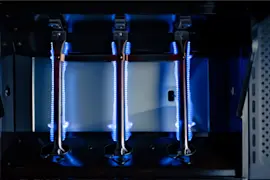
- Burner cleaning or replacement: fixes uneven flames, yellow flames, flare-ups, or one burner not lighting.
- Venturi and burner tube cleaning: fixes low heat and burners that won’t stay lit.
- Regulator reset and gas supply check: fixes grill won’t get hot or stuck on low flame.
- Cooking grate and heat plate replacement (often called flavorizer bars/heat shields): fixes rust, hot spots, and excess flare-ups.
Quick troubleshooting checklist (safe, high-impact steps)
- Turn off gas at the tank; wait 60 seconds.
- Inspect burner ports for grease, rust flakes, or spider webs; brush and clear ports.
- Confirm the igniter is sparking at the electrode tip; clean the electrode and check the gap.
- Check that burner tubes are fully seated over the valve orifices.
- Preheat 10 to 15 minutes with the lid closed; compare heat left-to-right.
Symptoms and likely causes
| Symptom | Most likely cause | Typical fix |
|---|---|---|
| Won’t light | Weak igniter/battery, dirty electrode | Igniter service and cleaning |
| Low heat | Regulator in low-flow mode, clogged burners | Regulator reset, burner cleaning |
| Uneven heat | Blocked burner ports, misaligned burners | Clean ports, reseat burners |
| Flare-ups | Grease buildup, damaged heat plates | Deep clean, replace heat plates |
Why it matters
A clean burner and correct air-gas mix give you steady blue flames, faster preheat, and fewer flare-ups. Replacing rusted heat-exposed parts also helps protect the cookbox and improves temperature control.
For general DIY safety and planning before you start, we recommend reviewing are diy appliance repairs safe.
Last updated: February 2026