 Owner’s manual
 View engine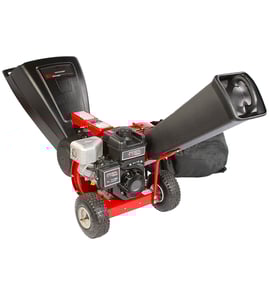

Are homeowner wood chippers worth it?
Yes; a homeowner chipper/shredder like the Craftsman 247775870 is worth it when you regularly need to reduce yard debris, want to cut down on hauling and bagging, and prefer owning a tool you can use anytime instead of paying repeated rental fees.
When a homeowner chipper/shredder is a good buy
A chipper/shredder pays off fastest when you use it often and you have the right kind of material.
- You prune trees and shrubs several times per season
- You generate steady piles of branches, leaves, and garden cleanup
- You want mulch or smaller debris for composting
- You have limited curbside pickup options or pay for yard-waste hauling
- You prefer maintaining your own equipment rather than renting
What this model is designed to handle
The Craftsman 247775870 is built to chip and shred typical yard vegetation, not construction debris or trash. For safe operation details and capacity guidance, follow the 247775870 owner's manual.
| Material type | Typical result | Best practice |
|---|---|---|
| Dry branches | Chips | Feed steadily, avoid forcing |
| Green limbs | Chips (can be stringy) | Let the machine work at its pace |
| Leaves and small twigs | Shredded mulch | Mix with small sticks for better flow |
| Contaminated debris (rocks, metal) | Damage risk | Sort debris before feeding |
Costs and maintenance that affect “worth it”
Ownership value depends on upkeep and wear items.
- Blades and flails are expendable wear parts; plan on periodic replacement
- Keep fasteners tight and check adjustments at least seasonally
- Clean the hopper and chute after use to reduce buildup
- Use proper engine oil and fresh fuel; stabilize fuel for storage
- Store safely; never store with fuel indoors near ignition sources
Why it matters
A chipper/shredder saves time and disposal effort only when it runs efficiently and safely. Following the maintenance and operating steps in the manual helps you get consistent performance and avoid premature wear.
Last updated: February 2026
What are the common problems with chipper machines?
The most common problems we see with the Craftsman chipper/shredder model 247775870 are engine starting or power issues, clogging at the hopper or discharge, and excessive vibration from damaged or dull cutting parts. Many of these problems are preventable with correct feeding limits and routine inspection per the 247775870 owner's manual.
Common problems and what they usually mean
- Won’t start or stalls under load: fuel, spark plug, air intake, or carburetor-related issues; also happens when feeding material too aggressively.
- Clogs in hopper, chute, or discharge: wet stringy debris, overfeeding, or letting processed material build up in the discharge area.
- Unusual vibration or noise: cutting mechanism hit a foreign object, or a blade/fastener is damaged or loose.
- Poor chipping or shredding performance: dull blades or incorrect material size for the hopper vs. chipper chute.
- Kickback or material bounce-back: discharge area blocked or operator feeding technique too forceful.
Quick checks we recommend (safe, high-impact)
- Stop the engine and let it fully stop before checking anything.
- Disconnect the spark plug wire before unclogging, inspecting, or repairing.
- Confirm you are feeding the right material in the right opening:
- Hopper: leaves and small branches up to 1/2 inch max
- Chipper chute: bulky branches up to 3 inches max
- If you must push material, use a small-diameter stick, not your hands.
- If vibration started suddenly, inspect for damage and replace damaged parts.
Symptom-to-cause guide
| Symptom | Most likely cause | First action |
|---|---|---|
| Clogs repeatedly | Overfeeding, wet debris, discharge buildup | Reduce feed rate; clear discharge area |
| Shreds poorly | Dull cutting edges | Inspect cutting parts; sharpen/replace as needed |
| Loud vibration | Foreign object strike, damaged/loose parts | Stop engine; inspect and tighten/replace |
| Engine runs rough | Air/fuel restriction or carburetor issue | Check air intake; service engine as needed |
Why it matters
Chipper/shredders store a lot of energy in moving parts. Following the manual’s stop-and-disconnect steps and staying within the 1/2 inch (hopper) and 3 inch (chipper chute) limits prevents jams, reduces downtime, and helps avoid damage from sudden vibration events.
Last updated: February 2026
What not to put in a wood chipper?
For the Craftsman chipper/shredder model 247775870, only feed normal yard vegetation (branches, leaves, twigs). Keep out metal, rocks, bottles or glass, and anything larger than the manual’s limits because these items can damage the blades and impeller or cause dangerous jams (see the 247775870 owner's manual).
Materials to keep out of the chipper/shredder
Avoid feeding these into the hopper or chipper chute:
- Metal (nails, wire, screws, tools): damages cutting edges and can become a projectile
- Rocks, gravel, dirt clods: quickly dulls blades and can crack internal components
- Bottles, glass, plastic: shatter or fragment risk; can damage the discharge path
- Ropey or stringy material (vines, long weeds, twine): wraps rotating parts and jams the impeller
- Non-vegetation waste (trash, lumber scraps, treated wood): not what the machine is designed to process
- Oversized branches: can stall the engine and damage the cutting system
What this model is designed to handle
The 247775870 is built to chip and shred vegetation found in a normal yard. The manual also sets different feed methods and maximum size limits depending on where you feed material.
| Feed area | Intended material | What to follow |
|---|---|---|
| Hopper assembly | Leaves and smaller yard debris | Use the manual’s maximum diameter limit |
| Chipper chute | Bulky stalks and heavier branches | Use the manual’s maximum diameter limit |
If material won’t feed or discharge slows down
A stringy discharge or a sudden slowdown means stop and clear the machine safely.
- Move the throttle to STOP and wait for all moving parts to stop
- Disconnect the spark plug wire to prevent accidental starting
- Clear packed debris from the discharge chute and screen area
- Inspect the cutting components for dullness or damage
- Keep the chipper blades sharp for best performance
Why it matters
This chipper/shredder uses high-speed rotating blades, flails, and an impeller. Hard debris and oversize material can cause sudden kickback, jams, and expensive internal damage.
Last updated: February 2026