Installation guide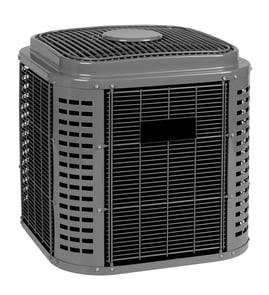

What is the life expectancy of a Mitsubishi split system?
Most Mitsubishi split systems (including multi-zone setups that use the MXZ-4B36NA outdoor unit) typically last 12 to 20 years with normal use and proper installation and maintenance. The biggest factors are correct refrigerant charging, solid electrical connections, and keeping airflow and coils clean.
Typical lifespan and what affects it
A split system’s service life is driven more by installation quality and operating conditions than by the brand name alone.
- Installation quality: correct wiring, piping, and mounting reduce early failures
- Refrigerant charge accuracy: incorrect charging can stress the compressor
- Electrical health: stable power and tight connections protect control boards and motors
- Environment: coastal corrosion, heavy debris, and extreme heat shorten life
- Maintenance: keeping coils clear and ensuring proper airflow improves efficiency and longevity
What “end of life” usually looks like
These are common signs the outdoor unit is nearing replacement time (or needs major repair):
- Compressor struggles to start, trips breakers, or short-cycles
- Cooling capacity drops even after cleaning and basic checks
- Refrigerant leaks keep returning after repairs
- Outdoor fan motor becomes noisy or intermittent
- Multiple electrical issues show up over a short period
Quick reference: lifespan expectations
| Item | Typical expectation | Notes |
|---|---|---|
| Outdoor unit overall life | 12 to 20 years | Longer with correct install and routine care |
| Compressor life | 10 to 20 years | Most expensive component; sensitive to charge and airflow |
| Control boards/sensors | 8 to 15 years | Power quality and moisture exposure matter |
Why it matters
A split system that is installed and commissioned correctly runs with lower compressor stress, fewer nuisance shutdowns, and better efficiency. For this Mitsubishi outdoor unit, the installation guide also emphasizes safe, secure installation and correct refrigerant handling, which directly supports long service life.
Installation notes that protect longevity (and safety)
From the MXZ-4B36NA installation guidance, we recommend these best practices:
- Use an exclusive electrical circuit and follow the specified wiring method
- Keep wiring secured so stress is not applied at terminal connections
- Perform test runs one indoor unit at a time to catch wiring/piping mix-ups
- If adding refrigerant, charge liquid refrigerant slowly (helps prevent compressor problems)
- Plan for the compressor’s 3-minute restart protection (normal behavior, not a fault)
For model-specific installation requirements and commissioning steps, use the installation guide.
Last updated: February 2026
Who is MXZ-4B36NA?
MXZ-4B36NA is not a person; it is the model number for a Mitsubishi outdoor unit used in a split-type air-conditioning (multi-split) system. For this model, the installation guide covers outdoor-unit installation details like wiring, circuit sizing, and refrigerant piping limits.
What MXZ-4B36NA refers to
MXZ-4B36NA identifies the specific Mitsubishi outdoor unit so you can match the correct installation requirements and service information.
Common places you will see this model number:
- The outdoor unit rating label (nameplate)
- The installation paperwork for the outdoor unit
- Parts lookups and service documentation for the outdoor unit
- Contractor invoices and permit paperwork
Key installation specs called out for MXZ-4B36NA
These are model-specific items that matter during installation and troubleshooting:
- Power supply: 208/230 V, 60 Hz
- Max fuse size (time delay): 25 A
- Minimum circuit ampacity: 23 A
- Refrigerant piping guidance: follow the manual limits for pipe length, height difference, bends, and insulation
| Item | What it affects | Why you care |
|---|---|---|
| Model number (MXZ-4B36NA) | Correct documentation and wiring specs | Prevents mismatched electrical or piping requirements |
| Outdoor unit | Compressor and outdoor fan operation | Most “no cooling” issues start with power, wiring, or airflow |
| Multi-split system | Multiple indoor units on one outdoor unit | Piping and connection sizing must match the indoor units |
Why it matters
Using the exact model number (MXZ-4B36NA) ensures the electrical specs, grounding requirements, and refrigerant piping limits you follow match your outdoor unit. That reduces nuisance trips, poor performance, and installation-related failures.
Last updated: February 2026
How much do common AC spare parts cost?
Common spare parts for a Mitsubishi MXZ-4B36NA outdoor unit range from low-cost electrical items (fuses, capacitors, contactors) to higher-cost components (fan motors, control boards, compressor-related parts). Your total cost depends on the exact part, whether it’s OEM, and whether you also need refrigerant work and labor.
Typical price ranges (parts only)
These are common U.S. retail ranges for central air and heat pump outdoor-unit parts; Mitsubishi mini-split/multi-zone parts often land toward the higher end.
- Fuses: $5 to $30
- Capacitor (run/start): $15 to $80
- Contactor/relay: $20 to $90
- Thermistor/temperature sensor: $15 to $80
- Fan motor: $150 to $500
- Control board/inverter board: $200 to $1,200+
- Compressor: $800 to $2,500+ (part only)
What changes the cost the most
- Inverter-driven design: inverter boards and electronics cost more than standard single-stage AC parts.
- Refrigerant type and handling: systems using R410A require proper evacuation, leak testing, and charging procedures.
- Labor and tools: electrical diagnosis (meter testing) and sealed-system work (vacuum pump, gauges) add time.
- Root cause: a failed board can be caused by wiring issues, moisture, or power problems; fixing the cause prevents repeat failures.
Quick comparison table
| Part type | What it affects | Typical urgency |
|---|---|---|
| Fuse/contactor/capacitor | Unit won’t start, trips, intermittent cooling | High |
| Fan motor | Poor heat rejection, shutdowns, noise | High |
| Control board/inverter | No operation, error codes, unstable performance | High |
| Compressor | No cooling/heating, major repair | Highest |
Why it matters for this model
The MXZ-4B36NA is an outdoor unit with high-voltage power and sensitive controls. The installation guide emphasizes using specified wiring, secure terminal connections, and proper leak testing and charging practices; those steps directly affect reliability and the true total repair cost.
Last updated: February 2026
What are common Mitsubishi AC problems?
Common problems we see with Mitsubishi outdoor units like the MXZ-4B36NA include poor cooling from airflow restrictions, refrigerant circuit issues (including leaks), electrical or wiring faults, drainage-related water issues, and abnormal noises or vibration. Many of these problems trace back to installation, maintenance, or electrical connection issues.
Most common symptoms and what they usually point to
- Not cooling or weak cooling: dirty coils, blocked outdoor airflow, incorrect charge, refrigerant leak
- Unit will not start: power supply issue, loose/incorrect wiring at terminal block, control fault
- Trips breaker or blows fuse: shorted wiring, moisture intrusion at electrical cover/service panel, failing motor/compressor
- Water where it should not be: drain routing/installation issue, indoor-side drainage problem (often shows up as indoor leaks)
- Strange noises: loose mounting hardware, fan obstruction, vibration from placement or wind exposure
- Intermittent operation in cold/windy weather: outdoor unit exposed to direct wind, needs wind protection/baffle
Quick checks you can do safely (before service)
- Verify the outdoor unit has clear airflow; remove leaves, snow, and debris from the coil area.
- Confirm the electrical cover/service panel is secured; loose panels can let in dust or water.
- Look for obvious wire damage (chewed insulation, pinched conductors) around the unit.
- Listen for fan rubbing or rattling; shut the system off if you hear grinding.
- If you suspect a fuse or breaker issue, use safe testing practices from how to tell if a fuse is blown.
Installation-related issues that commonly cause problems
The MXZ-4B36NA installation guidance emphasizes several items that directly relate to common failures:
| Issue | What it can cause | What to check |
|---|---|---|
| Loose/incorrect wiring connections | No-start, error conditions, overheating | Wires firmly attached at terminal block; correct wire type |
| Panels not attached securely | Electrical faults from dust/water | Electrical cover and service panel fully secured |
| Wrong refrigerant or air in system | Poor performance, abnormal pressures | System uses specified refrigerant (R410A); proper evacuation |
| Wind exposure at outdoor air inlet/outlet | Poor heating/cooling stability | Inlet facing wall; consider baffle board in cold/windy areas |
Why it matters
Air conditioning problems often cascade: restricted airflow can stress the compressor, and loose wiring or moisture intrusion can create repeated shutdowns or blown fuses. Catching the early symptom usually prevents a bigger repair.
For model-specific installation and safety requirements (wiring, refrigerant handling, wind placement), use the installation guide.
Last updated: February 2026
How to reset a Mitsubishi air conditioner?
To reset a Mitsubishi air conditioner system using the MXZ-4B36NA outdoor unit, do a power reset: shut the system off, turn off power at the breaker or disconnect, wait about 15 seconds, then restore power. The compressor can stay off for about 3 minutes due to built-in restart protection.
Quick reset steps (power reset)
- Set the thermostat or indoor unit remote to OFF.
- Turn OFF power to the outdoor unit at the breaker or disconnect.
- Wait 15 seconds.
- Turn power ON.
- Wait up to 3 minutes for the compressor restart-protection delay.
- Start cooling or heating and confirm operation.
What to expect after a reset
A reset clears many temporary control issues, but it will not correct refrigerant, wiring, or component failures.
| What you notice | What it usually means | What to do next |
|---|---|---|
| Outdoor unit does not start right away | Restart protection delay (about 3 minutes) | Wait, then recheck |
| System runs briefly then stops | A control or safety condition is being detected | Check filters, airflow, and settings |
| No operation after reset | Power, control, or equipment issue | Verify breaker, disconnect, and call service if needed |
If problems continue after resetting
- Confirm the breaker stays on and the outdoor disconnect is fully seated
- Make sure indoor units are set to the same mode (cool vs. heat)
- Check that air filters and indoor coils are clean and airflow is not blocked
- Look for flashing LEDs or error indications and note the pattern
- Follow the startup and test-run guidance in the installation guide
Why it matters
The 3-minute restart-protection feature prevents compressor damage. Waiting through that delay after restoring power avoids mistaking normal protection behavior for a failed compressor or control board.
Last updated: February 2026