Owner’s manual
 Error Codes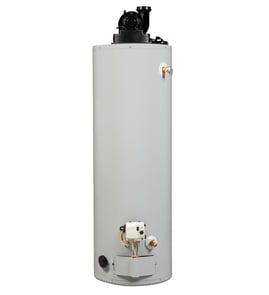




What is the average price for a 40 gallon hot water heater?
A typical 40-gallon tank-style water heater averages about $500 to $1,500 for the unit alone, with gas models often costing more than basic electric models. Your American N40S91-403 is a gas water heater; total cost usually increases based on venting, gas line work, and local labor.
Typical price ranges (unit only)
- Basic electric (40-gallon): about $400 to $1,000
- Basic gas (40-gallon): about $500 to $2,000
- Higher-efficiency models: usually cost more up front (but can reduce operating costs)
| Type | Typical unit price | What usually drives cost |
|---|---|---|
| Electric tank | $400 to $1,000 | Element/thermostat design, warranty length |
| Gas tank | $500 to $2,000 | BTU input, venting type, gas control features |
| High-efficiency | $1,200+ | Efficiency rating, advanced controls |
What can change the total installed cost
Even when two 40-gallon heaters have similar tank size, the installed price can vary a lot. Common cost drivers include:
- Venting changes (draft hood, vent pipe sizing, chimney or power vent requirements)
- Gas supply pipe sizing and length (the manual includes gas pipe capacity guidance)
- Combustion air and ventilation needs (especially in closets or small rooms)
- Water shutoff, piping updates, and expansion tank requirements (where applicable)
- Permit and disposal fees (varies by area)
Why it matters
A 40-gallon gas water heater like the American N40S91-403 must be installed with correct gas supply, combustion air, and ventilation. Getting those details right helps the heater run safely, heat consistently, and avoid nuisance shutdowns.
Helpful resources for this model
- Use the owner's manual to review installation checklist items like gas supply, ventilation, and the temperature control system.
Last updated: February 2026
What is the average labor cost to install a 40 gallon gas water heater?
For a 40-gallon gas water heater like the American N40S91-403, average labor commonly runs $400 to $1,000+. Straightforward replacements tend to land in the lower part of that range; costs rise when venting, gas piping, or code-required upgrades are needed.
What changes the labor price most
Labor varies mainly with how much work is required to meet venting, combustion air, and gas supply requirements.
- Replacement vs. new install (existing hookups usually cost less)
- Venting changes (chimney/vent length, elbows, termination)
- Gas line work (new line, resizing, added shutoff/sediment trap where required)
- Water piping changes (corrosion, shutoff valves, dielectric fittings)
- Permit/inspection time (often adds scheduling and labor)
- Location challenges (tight closet, attic, crawlspace, stairs)
Typical labor scenarios (what you can expect)
| Scenario | What’s included | Typical labor range |
|---|---|---|
| Like-for-like swap | Disconnect/reconnect water and gas, basic startup checks | $400 to $700 |
| Moderate complexity | Some vent or piping modifications, extra setup time | $700 to $1,000 |
| High complexity | Significant venting changes, gas line reroute, access issues | $1,000+ |
Why it matters for the N40S91-403
This model is a Category I, non-direct vented gas water heater; installation details like combustion air, vent routing, and gas supply directly affect safety and performance. We recommend following the location and installation checklist guidance in the owner's manual.
Ways to keep labor costs down (without cutting corners)
- Place the heater close to existing gas piping and venting when possible.
- Keep the vent run short with minimal elbows.
- Confirm the install area is indoors, vertical, protected from freezing, and has proper clearances.
- Replace worn components during install if needed (for example, a leaking relief valve).
Parts that are commonly addressed during installation
| Part | When it may be needed |
|---|---|
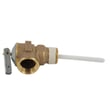
| Water heater temperature and pressure relief valve 100108279 | Old valve leaks, won’t reseat, or is corroded |
Last updated: February 2026
How many years do gas hot water heaters last?
Most gas water heaters last 8 to 12 years with normal use and basic maintenance. For your American N40S91-403 gas water heater, regular tank draining and flushing plus periodic anode rod inspection are the biggest factors that help you reach the upper end of that range (see the owner's manual).
Typical lifespan and what changes it
A water heater’s service life is mainly driven by corrosion, sediment buildup, and operating temperature.
- Water quality: hard water and aggressive water chemistry can shorten tank life
- Temperature setting: higher settings increase stress on the tank and components
- Sediment: buildup reduces efficiency and can overheat the tank bottom
- Maintenance: flushing and inspections slow down wear
- Water softeners: softened water can increase corrosion risk in some situations
Maintenance schedule that supports a longer life
Your manual recommends routine maintenance that directly impacts longevity.
| Maintenance item | Recommended interval | Why it helps |
|---|---|---|
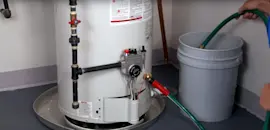
| Drain and flush the tank | Every 6 months | Removes sediment that can cause noise, inefficiency, and overheating |
| Inspect anode rod | Every 3 years (annually with artificially softened water) | Protects the glass-lined tank from corrosion |
| Check for leaks at fittings/valves | During maintenance | Small leaks can cause damage and accelerate corrosion |
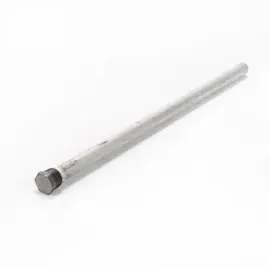
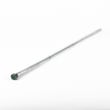
If your anode rod is depleted, replacing it (for example, the anode rod 100108571) helps protect the tank from corrosion.
Signs your gas water heater is nearing end of life
These symptoms often show up as the tank or key controls wear out:
- Rusty or discolored hot water
- Water around the base of the heater (not just normal condensation)
- Rumbling, popping, or sizzling sounds that persist after flushing
- Hot water runs out faster than it used to
- Pilot or burner problems that keep returning after cleaning and adjustment
Why it matters
Once the tank begins to corrode internally, it eventually develops a leak. Staying on top of flushing and anode rod checks is the most practical way to extend the life of a gas water heater and avoid unexpected water damage.
Last updated: February 2026
What brand of gas water heater is the most reliable?
Reliability varies most by build quality, correct installation, water conditions, and maintenance, not just the logo on the tank. For a gas tank water heater like your American N40S91-403, the most reliable choice is the brand and model that matches your venting and gas type, is installed to code, and is maintained on schedule; use the owner's manual to confirm requirements and upkeep.
What “most reliable” usually means for gas water heaters
When we compare brands, reliability typically comes down to these practical factors:
- Correct gas type and setup (natural gas vs. L.P. gas) and proper shut-off valve
- Proper venting and combustion air for a Category I, non-direct vent installation
- Stable burner operation (pilot, thermocouple, and gas control performance)
- Tank protection and water quality control (anode rod condition, sediment management)
- Safe pressure and temperature control (T&P relief valve condition)
Brand selection checklist (what to compare before you buy)
Use this checklist to compare any gas water heater brand or model you are considering:
- Venting and combustion air: confirm it matches your home’s vent system and location
- Gas type: confirm the unit is built for your fuel (never mix natural gas and L.P. gas)
- Serviceability: availability of common replacement parts (pilot assembly, gas valve, drain valve)
- Maintenance access: room to service the anode rod, drain valve, and burner area
- Warranty terms: compare tank and parts coverage in the warranty paperwork
Common reliability-related parts (and what they do)
These are parts that often affect day-to-day reliability on a gas water heater:
| Part | What it affects | Common symptom when failing |
|---|---|---|
| Water heater pilot assembly 100112330 | Ignition and flame stability | Pilot will not stay lit |
| American water heater water heater gas valve and temperature control assembly 100112336 | Gas flow and temperature control | No heat, overheating, or erratic temps |
| Water heater temperature and pressure relief valve 100108279 | Safety pressure relief | Dripping, leaking, or discharge |
| Anode rod 100108571 | Tank corrosion protection | Rusty water, shortened tank life |
Why it matters
A “top” brand can still perform poorly if the gas type, venting, or installation environment is wrong. Your N40S91-403 manual emphasizes code-compliant installation and proper location and clearances; those details are what protect performance and safety over the long term.
Last updated: February 2026
What is the most common problem with gas water heaters?
The most common gas water heater problem is the pilot light not staying lit. On American model N40S91-403, this is often tied to the pilot system (pilot assembly, thermocouple/thermopile function), combustion air issues, or a dirty flame arrestor that restricts airflow.
What to check first (fast triage)
- Confirm the pilot lights but goes out shortly after releasing the control.
- Check the area around the heater for lint, dust, or dirt; a dirty environment can clog the flame arrestor and affect combustion air.
- Make sure the water heater has enough make-up air, especially if it is in a closet or small enclosed space.
- Listen for popping or rumbling; sediment buildup can cause noise and reduce efficiency.
- Look for dripping at the discharge pipe; a leaking T&P relief valve can indicate overheating or pressure issues.
Common causes and what they typically lead to
| Symptom | Likely cause | What it affects |
|---|---|---|
| Pilot will not stay lit | Weak/failed pilot system, clogged pilot orifice, dirty flame arrestor, insufficient combustion air | No hot water, repeated shutdowns |
| High operating costs | Thermostat set too high, sediment in tank, hot water waste | Higher gas use, slow recovery |
| Sizzling/popping noises | Normal condensation or sediment buildup | Efficiency, tank life |
| Water at relief line | T&P valve weeping or overheating condition | Safety discharge, potential damage |
Parts that commonly solve gas water heater issues
If troubleshooting points to a failed component, these model-matched parts are common fixes:
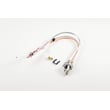
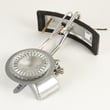
- Water heater pilot assembly 100112330 (pilot will not light or remain lit)
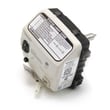
- Water heater gas valve and temperature control assembly 100112336 (temperature control problems, shutdowns after overheat)
- Water heater temperature and pressure relief valve 100108279 (leaking or discharging)
Why it matters
A pilot that will not stay lit stops the burner from running, so you lose hot water. Airflow restrictions and overheating protection can also shut the heater down to prevent unsafe operation. Sediment buildup increases noise, reduces efficiency, and can shorten tank life.
For model-specific lighting, airflow, and maintenance steps, follow the owner's manual.
Last updated: February 2026