- Kenmore refrigerator water filters
- Whirlpool refrigerator water filters
- Samsung refrigerator water filters
- GE refrigerator water filters
- LG refrigerator water filters
- Frigidaire refrigerator water filters
- KitchenAid refrigerator water filters
- Maytag refrigerator water filters
- Kenmore Elite refrigerator water filters
- Estate refrigerator water filters
- GE Profile refrigerator water filters
- Amana refrigerator water filters
- Bosch refrigerator water filters
- Dacor refrigerator water filters
- Electrolux refrigerator water filters
Top DIY repair help
View All Repair Categories
Appliances
Lawn & Garden
Power Tools
Home Improvement
Sports & Leisure
Heating & Cooling
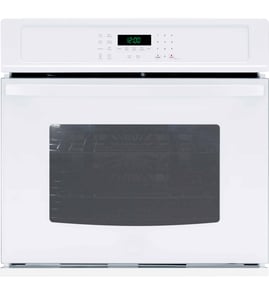
GE Wall oven Parts — Browse All Models
Finding the right GE wall oven parts is easy when you begin with your model number. Enter it into the search bar or browse our full list of GE wall ovens to see diagrams and OEM components that fit your exact model. You can quickly identify the parts needed to fix heating issues, temperature problems or door failures. If you want help pinpointing your symptom before ordering, our DIY wall oven repair help page offers clear troubleshooting guidance for the most common oven problems.


 Installation guide
 Owner’s manual
 Error Codes
Frequently bought GE parts
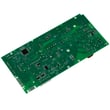
G.e. Main Control Board For Front-load Washer
Part #WH22X37840
This item is not returnable
In Stock
$259.26
$12.00 OFF Phone Price : $271.26

Qty


Drain Pump & Filter
In Stock
$220.59
Qty
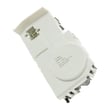
G.e. Washer Door Lock
In Stock
$71.36
8% OFF Phone Price : $77.36
Qty
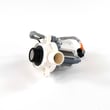
G.e. Washer Drain Pump Assembly
In Stock
$54.67
10% OFF Phone Price : $60.67
Qty
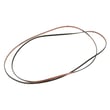
G.e. Dryer Drum Belt
In Stock
$52.52
10% OFF Phone Price : $58.52
Qty
Ge Profile Refrigerator Temperature Sensor
In Stock
$23.42
20% OFF Phone Price : $29.42
Qty
Popular maintenance items for Wall Ovens
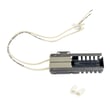
Frigidaire Range Oven Burner Igniter
In Stock
$21.50
22% OFF Phone Price : $27.50
Qty
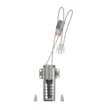
G.e. Range Oven Burner Igniter
In Stock
$59.63
9% OFF Phone Price : $65.63
Qty
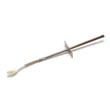
Cooking Appliance Oven Temperature Sensor
In Stock
$21.96
21% OFF Phone Price : $27.96
Qty
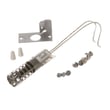
G.e. Kenmore Range Oven Burner Igniter
In Stock
$83.29
7% OFF Phone Price : $89.29
Qty
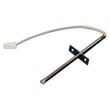
Frigidaire Range Oven Temperature Sensor
In Stock
$47.72
19% OFF Was : $58.60
Qty
Dishwasher Door Seal, Lower
In Stock
$27.61
18% OFF Phone Price : $33.61
Qty
Troubleshooting common GE wall oven problems
Oven will not heat
If the oven will not heat at all, the bake element may be burned out or the temperature sensor may not be signaling the control. A failed igniter is also common on GE gas wall ovens. Power surges can sometimes open the thermal fuse, cutting heat to the appliance.
Oven temperature is inaccurate
When the oven temperature is wrong or unstable, the sensor or control thermostat may be out of calibration. GE models sometimes display uneven cooking when the sensor is damaged or coated with residue.
Broil burner or element not working
If the broiler will not turn on, the broil element may have failed or the control board may not be sending power. In gas units, a weak igniter can prevent the burner from lighting even when the rest of the oven functions.
Oven door stuck locked
When the oven door will not unlock, the lock motor, latch assembly or hinges may be jammed. In GE wall ovens, a failed temperature sensor during a self-clean cycle can also prevent the door from releasing.
Oven shuts off or fails intermittently
If your wall oven behaves unpredictably, and sometimes the oven fails to work at all, electrical issues or failing relays may be interrupting power. GE models can also shut off if internal cooling fans fail to move air through the chassis.
Commonly replaced GE wall oven parts
- Bake element: Provides the main heat for baking. A worn element causes slow preheating or no heat.
- Temperature sensor: Sends heat readings to the control. A weak sensor leads to inconsistent temperatures.
- Thermal fuse: Shuts off power if the oven overheats. Replacing it restores operation.
- Door seal: Helps maintain temperature inside the oven. A damaged seal allows heat to escape and affects cooking results.
- Oven relay: Controls high-power heating circuits. A failing relay can cause intermittent heating or complete heat loss.
Why use Sears PartsDirect for your GE wall oven parts
Sears PartsDirect carries OEM GE components that match your model specifications for dependable fit and performance. Our diagrams and compatibility tools help you confirm the exact part before ordering. Using genuine GE replacements helps maintain even heating, reliable temperature control and long-term safety inside your kitchen.
GE wall oven FAQs
Why does my GE wall oven take a long time to preheat?
Slow preheating often results from a weakening bake element or a temperature sensor that is not reading accurately. Replacing the sensor usually improves preheat performance.
Why does my GE oven show F-code error messages?
F-codes generally indicate a sensor problem, an electronic control failure or an overheating condition. Checking wiring connections and reviewing the specific error code helps determine the exact cause.
Why does my GE oven cooling fan run loudly or constantly?
A noisy fan may be obstructed or beginning to wear out. GE ovens rely on strong airflow to protect electronics, so a failing fan motor can run louder as it struggles to move air.
Why is my GE oven browning unevenly?
Uneven browning may result from a damaged door seal, poor rack placement or a temperature sensor that is drifting out of range. Replacing the door gasket and adjusting rack positions usually improves results.
Why will my oven door not latch during a self-clean cycle?
Worn hinges or a weak lock motor can prevent the door from securing. Replacing the hinges or servicing the latch assembly often solves the issue.
Parts & More
Air Compressor
Dishwasher
Front-Engine Lawn Tractor
Gas Range
Gas Walk-Behind Mower
Lawn & Garden Engine
Parts
Refrigerator
Room Air Conditioner
Vacuum Cleaner