Error Codes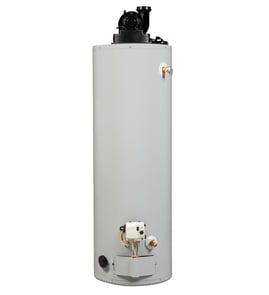



What is the average cost of a 40 gallon water heater installed?
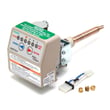
A typical installed price for a 40-gallon gas water heater like the Ao Smith GPSH40100 lands around $1,500 to $3,000 in many U.S. homes, with the final total driven mostly by labor, venting, code upgrades, and disposal of the old tank.
- New 40-gallon tank (standard efficiency vs. higher efficiency)
- Removal and disposal of the old water heater
- New shutoff connections and basic fittings
- Startup, leak check, and combustion safety checks
- Permit and inspection fees (where required)
- Gas venting changes (chimney liner, power venting, or rework)
- Code and safety upgrades (expansion tank, seismic straps, drip pan, drain piping)
- Water damage or corrosion at the shutoff valve or piping
- Location and access (tight closet, attic, crawlspace)
- Same-day emergency replacement vs. scheduled install
| Scenario | Typical installed range | Notes |
|---|---|---|
| Straight swap, easy access | $1,200 to $2,000 | Minimal piping and vent changes |
| Average replacement | $1,500 to $3,000 | Common permits and minor upgrades |
| Complex install or upgrades | $2,500 to $4,000+ | Venting, code work, access issues |
Installation quality affects safety, performance, and lifespan. A lower quote can be fine for a true like-for-like swap, but gas venting and code items are where costs rise and where mistakes cause nuisance shutdowns or poor hot water delivery.
If you are budgeting beyond installation, these common service parts for the GPSH40100 help prevent premature tank or ignition problems:
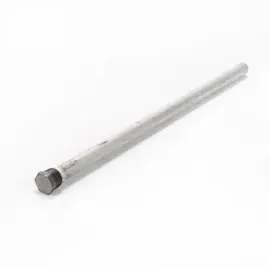
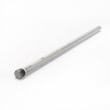
- Anode rod 100109624 (helps protect the tank from corrosion)
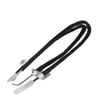
- Igniter assembly 100109355 (supports reliable burner ignition)
- Wiring harness 100110825 (addresses damaged or overheated wiring)
Last updated: February 2026
What is the life expectancy of an A. O. Smith gas water heater?
An A. O. Smith gas water heater typically lasts 8 to 12 years. For the Ao Smith GPSH40100, regular tank flushing and timely replacement of wear items (especially the anode rod) helps you reach the upper end of that range.
Most standard residential gas water heaters fall into a predictable lifespan range, but water quality and maintenance make a big difference.
- Hard water speeds up sediment buildup and overheating at the burner
- High water pressure increases stress on the tank and valves
- Infrequent flushing lets sediment accumulate and reduces efficiency
- Anode rod condition strongly affects tank corrosion rate
- Venting and combustion issues can cause nuisance shutdowns and poor heating
These are the highest-impact steps for a GPSH40100-STYLE gas tank water heater.
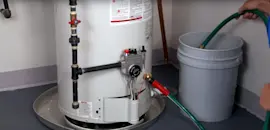
- Flush the tank at least once per year (more often with hard water)
- Inspect and replace the anode rod when it is heavily depleted (a common life-extender)
- Verify the temperature/pressure relief discharge piping is installed correctly and unobstructed
- Keep the burner area clean and ensure adequate combustion air
- Address ignition problems quickly to prevent repeated failed starts
If you are maintaining the tank, the anode rod is the part we see most often tied to longer tank life:
| Water heater age | What we typically see | What to do now |
|---|---|---|
| 0 to 5 years | Normal operation | Start annual flushing; monitor performance |
| 6 to 10 years | Sediment, slower recovery | Check anode rod; watch for leaks/rust |
| 11 to 15 years | Higher leak risk | Plan replacement; keep up maintenance if continuing use |
Once the tank begins to corrode from the inside, repairs usually shift from “fixable parts” to “end of tank life.” Staying ahead of sediment and corrosion helps maintain hot water recovery, efficiency, and reliability.
Last updated: February 2026
Is A. O. Smith a good quality water heater?
Yes. Ao Smith water heaters, including the Ao Smith GPSH40100 gas water heater, are widely considered good quality when they’re correctly installed and maintained; most performance complaints trace back to water conditions, venting or gas supply issues, or skipped maintenance that shortens tank and burner life.
A solid gas water heater delivers consistent hot water, lights reliably, and resists tank corrosion for years. For the GPSH40100, quality also depends on keeping key wear items in good shape.
Common quality indicators:
- Stable burner ignition and steady flame
- Minimal sediment buildup (quieter operation, better recovery)
- Corrosion protection from the anode rod
- Reliable safety controls (valves and switches)
These steps make the biggest difference in real-world reliability:
- Flush a few gallons from the tank periodically to reduce sediment
- Test the temperature and pressure relief function during routine checks
- Inspect for moisture at fittings and around the base
- Keep the burner area clean and unobstructed
- Replace corrosion protection parts on schedule
If you’re trying to keep an Ao Smith water heater running strong, these are the parts we see tied most directly to long-term performance:
| Part | What it does | When it matters most |
|---|---|---|
| Anode rod 100109624 | Helps prevent tank corrosion | Rusty water, frequent hot water use |
| Igniter assembly 100109355 | Lights the burner | No-heat or intermittent ignition |
| Wiring harness 100110825 | Connects controls and sensors | Intermittent operation, error conditions |
Two homes can have very different results with the same brand because water chemistry, installation quality, and maintenance habits vary a lot.
Most common reasons owners report problems:
- Hard water and heavy sediment (reduces efficiency and recovery)
- Skipped anode rod replacement (tank corrodes sooner)
- Venting or combustion air restrictions (poor burner performance)
- Electrical connection issues on electronic ignition models
A gas water heater is a safety-critical appliance; “good quality” is the combination of a sound tank plus properly working ignition and safety controls. Keeping up with basic maintenance and replacing wear parts on time is what turns a decent heater into a long-lasting one.
Last updated: February 2026