
What is the most common part to fail on a furnace?
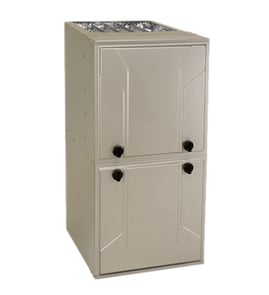
On the Thermal Zone gas furnace model GU040M12A, the most common “failure point” we see is the air filter becoming clogged, which restricts airflow and causes the furnace to overheat and shut down on safety. After airflow issues, the next most common failures are ignition and flame-sensing components.
Most common furnace failures (in order)
- Dirty or clogged air filter: restricts airflow; can trip the high-limit safety
- Flame sensor: gets coated and stops proving flame; burners light then shut off
- Igniter (hot surface igniter): cracks or burns out; no ignition
- Pressure switch: fails to close due to venting/condensate issues or a weak switch
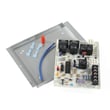
- Control board: relay or logic failure; intermittent starts or no response
- Blower motor or capacitor: poor airflow, overheating, or no air movement
Quick checks you can do safely
- Set thermostat to HEAT and raise the setpoint 3 to 5 degrees.
- Replace the air filter first (most common fix and lowest cost).
- Check the furnace power switch and the breaker; reset once if tripped.
- Look for a diagnostic LED on the control board door panel and note the blink pattern.
- If the burners light briefly then shut off, the flame sensor is a top suspect.
What symptoms usually point to which part?
| Symptom | Most likely cause | What it means |
|---|---|---|
| Runs a short time, then shuts off; repeats | Clogged filter, blower issue, high-limit trip | Overheating from low airflow |
| Inducer runs, but burners never light | Igniter, gas valve signal, pressure switch | Ignition sequence not completing |
| Burners light, then shut off in 2 to 10 seconds | Flame sensor | Flame not being “proven” |
| Nothing happens at all | Power, door switch, control board | No call for heat or no control power |
Why it matters
Airflow problems (especially a clogged filter) can mimic “bad parts” and trigger safety shutdowns. Fixing airflow first prevents repeat lockouts and reduces stress on the heat exchanger, blower, and control board.
For electrical testing steps (like checking a fuse, switch, or sensor), we use the same approach shown in how to use a multimeter to test electrical parts video.
Last updated: February 2026
What is the most expensive part to fix on a furnace?
For a Thermal Zone gas furnace like model GU040M12A, the heat exchanger is typically the most expensive component to repair or replace because it is labor-intensive and directly tied to safe combustion. Other high-cost repairs often involve the blower motor assembly, control board, or inducer motor.
Most expensive furnace repairs (typical)
Costs vary by furnace size, efficiency, and labor rates, but these are the repairs that most often land at the top of the bill:
- Heat exchanger: highest-cost repair; major disassembly and setup time
- Blower motor or blower assembly: can include motor, wheel, and housing
- Control board (furnace control): diagnostics plus electrical handling
- Draft inducer motor: affects venting and ignition sequence
- Gas valve: requires careful setup and leak checks
Quick cost comparison (typical ranges)
| Component | Why it gets expensive | Typical total repair range |
|---|---|---|
| Heat exchanger | Most labor; core combustion component | $1,000 to $3,500+ |
| Blower motor/assembly | High part cost; can require airflow setup | $400 to $1,500+ |
| Control board | Part cost plus troubleshooting time | $300 to $1,500+ |
| Inducer motor | Venting-related; may include pressure switch checks | $300 to $1,200+ |
| Gas valve | Safety checks and adjustments | $200 to $1,000+ |
Why it matters
The “most expensive part” is usually expensive for one of two reasons: it is deep inside the furnace cabinet (high labor) or it is critical to safe operation (more testing and setup). On a gas furnace, the heat exchanger checks both boxes.
What we recommend before approving a big repair
- Confirm the exact model number GU040M12A from the rating plate so the correct parts list is used
- Ask for the failed part to be identified by name (heat exchanger, inducer, control board, etc.)
- If the issue is electrical, verify power and wiring condition first (loose connections can mimic part failure)
- If a fuse is involved, test it correctly before replacing other components
For safe DIY checks on electrical items, use our guides: how to tell if a fuse is blown and how to use a multimeter to test electrical parts video.
Last updated: February 2026
Is it worth fixing a 20 year old furnace?
It’s usually not worth fixing a 20-year-old furnace, including a Thermal Zone gas furnace like model GU040M12A, unless the repair is minor and low-cost. At that age, reliability drops and efficiency is typically far behind modern units, so repeated repairs often cost more than replacing the furnace.
Quick decision checklist
- Choose repair if it’s a simple fix (for example: dirty flame sensor, loose wire, clogged filter) and the furnace has been otherwise dependable.
- Choose replacement if you’ve had multiple service calls in the last 2 to 3 heating seasons.
- Choose replacement if you’re seeing comfort issues (uneven heat, short cycling, long run times).
- Choose replacement if the repair involves major components (inducer motor, blower motor, control board, gas valve).
- Choose replacement if the repair estimate is 50% or more of the installed cost of a new furnace.
What “minor” vs “major” repairs typically look like
| Repair type | Common examples | Typical outcome |
|---|---|---|
| Minor maintenance-level | Filter change, cleaning flame sensor, tightening electrical connections, clearing drain/vent issues | Often restores heat quickly and buys time |
| Mid-level component | Igniter, pressure switch, limit switch, capacitor | Can be reasonable if the furnace is otherwise stable |
| Major component | Heat exchanger-related issues, blower motor, inducer assembly, control board, gas valve | Usually points toward replacement value |
Why it matters (cost, comfort, and downtime)
A 20-year-old furnace is at the point where age-related wear shows up as nuisance shutdowns, harder starts, and more frequent part failures. Even if one repair gets you running today, the next failure often follows soon, and emergency no-heat calls tend to happen during the coldest weather.
If you decide to repair: what we recommend doing first
- Turn off power to the furnace at the switch or breaker before inspecting anything.
- Replace the air filter and confirm return vents are open.
- Check the thermostat batteries (if applicable) and verify heat call settings.
- Look for obvious wiring damage or loose spade connectors.
- If you’re comfortable testing, use a meter to confirm you have proper voltage at the control circuit.
For safe electrical testing basics, use our guide: how to use a multimeter to test electrical parts video.
Last updated: February 2026
What are the most common furnace repairs?
For the Thermal Zone GU040M12A gas furnace, the most common repairs are airflow problems (dirty filter or blocked return), ignition and flame-sensing issues, and electrical control problems (blown fuse, loose wiring, bad capacitor). These faults often show up as no heat, short cycling, or the blower running without heat.
Most common repairs we see (and what they look like)
- Air filter and airflow restrictions: weak airflow, overheating, frequent shutdowns
- Thermostat or low-voltage (24V) control issues: furnace does nothing, intermittent heat calls
- Flame sensor cleaning/replacement: burners light then shut off within seconds
- Ignition system problems (hot surface igniter or spark): clicking or trying to light with no flame
- Blower motor or capacitor issues: humming motor, slow start, no airflow, or constant blower
- Safety switch trips (door switch, rollout, limit switch): furnace stops mid-cycle, may reset after cooling
Quick checks you can do before replacing parts
- Set thermostat to HEAT and raise setpoint 3 to 5 degrees.
- Replace the air filter and confirm supply registers and return grilles are open.
- Check the furnace power switch and circuit breaker.
- If your furnace has a control-board LED, note the blink pattern.
- Inspect for loose, burnt, or damaged wires (power off first).
If you need help with safe DIY basics, use our guide: are diy appliance repairs safe.
What typically causes each symptom
| Symptom | Common cause | Typical fix |
|---|---|---|
| Blower runs, no heat | Flame not proven, ignition failure | Clean flame sensor; test igniter circuit |
| Starts then stops quickly | Overheating or flame-sense issue | Replace filter; check vents; clean sensor |
| No response at all | No power, blown fuse, bad thermostat circuit | Restore power; test fuse and 24V |
| Repeated clicking | Ignition attempt failing | Check igniter, gas supply, and grounding |
Why it matters
These repairs are common because a furnace depends on steady airflow, reliable ignition, and tight electrical connections. Fixing the root cause (like a clogged filter or weak capacitor) prevents nuisance shutdowns, protects the blower motor, and keeps heat consistent.
Last updated: February 2026