Installation guide
 Owner’s manual




What is the most expensive part to fix on a furnace?
On the Icp H8MPN075B12A1 gas furnace, the most expensive repair is typically a major component replacement, especially the heat exchanger. Other high-cost repairs often include the blower motor and gas valve because the parts are expensive and diagnosis and labor are more involved (see the owner's manual).
Most expensive furnace repairs (common examples)
These are the repairs that most often drive the highest total cost (parts plus labor):
- Heat exchanger replacement (often the top-cost repair)
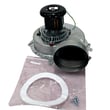
- Blower motor replacement, such as the furnace blower fan motor, 1/2-hp 1013341
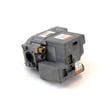
- Gas valve replacement, such as the gas valve SV9641M4510
- Ignition system repairs (igniter, flame sensor, wiring)
- Airflow and overheat-related failures tied to dirty filters or blocked vents
What makes a repair “expensive”
High-cost furnace repairs usually have one or more of these factors:
- The part itself is a high-dollar component
- The repair requires significant disassembly and reassembly
- Setup and verification steps are required (gas, combustion, airflow)
- The failure can be intermittent, increasing diagnostic time
- Multiple parts are replaced together to restore safe operation
Quick cost comparison (parts only)
Actual totals vary by region and labor, but this shows why certain repairs are considered “big ticket.”
| Repair area | Why it gets expensive | Example part on this model |
|---|---|---|
| Heat exchanger | Major internal component; labor-intensive | Exchanger (part ID 1175198) |
| Blower motor | High part cost; affects whole-home airflow | Blower motor (part ID 1013341) |
| Gas valve | Precision gas control; setup and testing | Gas valve (part ID SV9641M4510) |
Why it matters
The heat exchanger is central to safe, efficient heating. The manual also emphasizes following all cautions and warnings and using qualified service for installation, adjustment, and maintenance; that is especially important when diagnosing major repairs and any combustion-related components.
Last updated: February 2026
What is the most common part to fail on a furnace?
On the Icp H8MPN075B12A1 80+ single-stage gas furnace, the most common “failure” we see is actually airflow restriction from a dirty air filter, which can overheat the furnace and trigger safety shutdowns. After that, ignition and safety parts (igniter/flame sensing and limit/door switches) are frequent culprits. See the owner's manual for the maintenance and safety checks that prevent repeat shutdowns.
Most common furnace trouble spots (in order)
- Air filter: A clogged filter is the most common cause of poor heating performance and can lead to overheating trips.
- Ignition and flame sensing: If the furnace will not light or will not stay lit, ignition components are often involved.
- High-limit safety: Overheating can open the limit switch and stop the burners.
- Door safety switch: If the blower door is not seated, the furnace may not run.
- Gas delivery: A failing gas valve or supply issue can prevent ignition.
Parts on this model that commonly relate to “no heat” symptoms
| Symptom you notice | What it often points to | Example part for this model |
|---|---|---|
| Blower runs, little or no heat | Overheat condition from restricted airflow | Furnace temperature limit switch 1013102 |
| Furnace does nothing when thermostat calls | Safety interlock open | Furnace door switch 1171981 |
| Tries to light, then shuts down | Ignition/flame sensing issue | Furnace pilot igniter and sensor 1009524 |
| No ignition at all | Ignition or gas delivery problem | Gas valve SV9641M4510 |
Quick checks that prevent repeat failures
- Turn off electrical power before removing panels or doing any maintenance.
- Inspect the air filter monthly; clean or replace it before it becomes clogged.
- Keep the furnace area clear and free of combustibles; do not block furnace or duct openings.
- Make sure the return air duct connection is sealed and physically sound.
- If overheating occurs, shut off the gas valve to the furnace before shutting off electrical power.
Why it matters
Most “bad part” calls start with airflow. A dirty filter or blocked return reduces airflow, the furnace overheats, and safeties like the limit switch shut the system down. Fixing the airflow issue first helps protect expensive components like the blower motor and heat exchanger.
Last updated: February 2026
What is the cost to replace a furnace part?
For the Icp H8MPN075B12A1 80+ single-stage gas furnace, the cost to replace a part depends on which component failed and whether you’re paying for labor. On this model, common replacement parts range from about $25 for a safety switch to over $1,000 for a major component like the heat exchanger.
Typical part price ranges for this model
Below are examples of part prices we commonly see for the H8MPN075B12A1 (parts only):
- Low-cost safety parts: door switch, limit switch
- Mid-range ignition parts: igniter, flame sensor assemblies
- Higher-cost gas train parts: gas valve
- Highest-cost assemblies: blower motor, heat exchanger
| Part (example) | What it affects | Typical parts-only cost on this model |
|---|---|---|
| Furnace temperature limit switch 1013102 | Prevents overheating shutdowns | Low (around $25) |
| Furnace door switch 1171981 | Proves blower door is closed | Low (around $40) |
| Furnace pilot igniter and sensor 1009524 | Ignition and flame proving | Mid (around $200) |
| Gas valve SV9641M4510 | Gas flow to burners | High (around $750) |
| Exchanger 1175198 | Heat exchanger assembly | Very high (around $1,100) |
What else changes the total replacement cost
Parts are only one piece of the total. These factors usually drive the final bill:
- Labor time: simple switches are quick; blower motors and heat exchangers take longer
- Diagnostic fee: many service calls include a trip and diagnosis charge
- Setup and testing: combustion checks, temperature rise, and safety verification
- Access and condition: tight installs, corrosion, or damaged wiring can add time
- Warranty coverage: some components may be covered if installation and maintenance requirements are met (details vary by component and model series)
For warranty terms and maintenance requirements, use the owner's manual.
Why it matters
Replacing the right part the first time protects comfort and safety. On gas furnaces, a “small” failure (like a limit switch opening) can be caused by a bigger airflow issue (dirty filter, blocked return, failing blower motor), so accurate diagnosis helps prevent repeat breakdowns.
Last updated: February 2026
Is it worth fixing a 20 year old furnace?
For an Icp H8MPN075B12A1 (80+ single-stage gas furnace) that is about 20 years old, a small repair is usually worth it, but a major repair often is not. At this age, you are at the point where efficiency, reliability, and the risk of additional failures typically make replacement the better long-term value.
A practical way to decide (repair vs. replace)
Use these checkpoints to make a clear call:
- Repair makes sense when the issue is isolated (no-heat caused by a switch, igniter, or gas valve problem) and the furnace has been otherwise reliable.
- Replace makes sense when repairs are frequent, the repair is expensive, or the failure involves core components like the heat exchanger.
- Safety first: if you suspect a combustion or venting problem, stop using the furnace and have it inspected.
What your model’s warranty language suggests
Your documentation for the H8MPN model series indicates heat exchanger coverage up to 20 years from the original installation date for defects (terms vary by ownership and proof of purchase). Check the exact warranty terms and dates in the owner's manual.
Quick comparison
| Situation | Usually worth repairing? | Why |
|---|---|---|
| One-time no-heat, simple part failure | Yes | Lower cost, fast restore of heat |
| Blower motor failure | Sometimes | Higher part cost; consider overall condition |
| Limit switch trips repeatedly | Sometimes | Could be airflow issue; may be fixable |
| Heat exchanger problem | No | High cost and a key end-of-life indicator |
Common repairs on this furnace that can be “worth it”
If diagnosis points to one of these, repair is often reasonable:
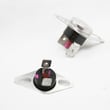
- Furnace temperature limit switch 1013102 (overheat protection trips)
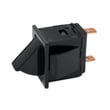
- Furnace door switch 1171981 (won’t run with door off or switch failed)
- Furnace pilot igniter and sensor 1009524 or igniter 1149856 (ignition problems)
- Gas valve SV9641M4510 (no gas flow, valve failure)
- Furnace blower fan motor, 1/2-hp 1013341 (no airflow, noisy motor)
Why it matters
A 20-year-old furnace can still run, but the cost of repeated repairs plus lower efficiency can exceed the cost advantage of keeping it. Making the decision based on repair cost, frequency of breakdowns, and heat exchanger condition prevents spending heavily on a system near end-of-life.
Last updated: February 2026