Installation guide
 Owner’s manual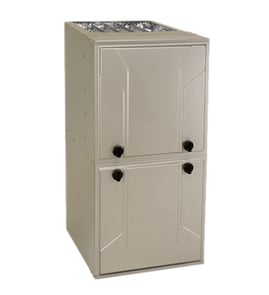

What is the most common part to fail on a furnace?
On a Payne PG8MAA066110AAJA furnace, the most common “failure point” is usually a maintenance or safety-related item: a dirty air filter (overheating and limit trips), a dirty flame-sensing circuit, or an ignition/control problem. In actual part replacements, igniters and control boards are among the most frequently serviced items.
Most common culprits (what we see most often)
- Air filter restriction: reduced airflow can overheat the furnace and open a limit switch.
- High-temperature limit or rollout safety opening: the furnace shuts down to prevent overheating.
- Ignition problems: a worn igniter can prevent burner ignition.
- Control board issues: failed relays or damaged electronics can stop heating cycles.
- Loose wiring or poor connections: can cause intermittent shutdowns.
- Blower wheel/motor dirt buildup: reduces airflow and contributes to overheating.
Parts on this model that commonly relate to “no heat” or shutdowns
| Symptom you notice | Common area to check | Example part for this model |
|---|---|---|
| Furnace tries to start but will not light | Ignition system | Furnace burner igniter LH33ZS004 |
| Furnace runs briefly then shuts off | Overheat protection | Furnace temperature limit switch HH18HA495 |
| Random behavior, no response, or repeated lockouts | Controls/electronics | Control board HK42FZ034 |
Quick checks that prevent repeat failures
- Replace or clean the air filter monthly during heavy use.
- Keep the blower wheel and motor clean each heating season.
- Confirm the blower compartment door is installed; many furnaces will not run safely with the door off.
- Inspect the burner compartment for dust, rust, or soot before heating season.
- Avoid storing or using strong household chemicals near combustion air; corrosive air can shorten furnace life.
Why it matters
Most “failed furnace” calls are the furnace protecting itself. Restricted airflow and contaminated combustion air can trigger safety shutdowns and also shorten the life of major components like the heat exchanger. The maintenance steps above reduce nuisance trips and help parts like limit switches and control boards last longer.
For model-specific maintenance intervals and safety notes, follow the installation guide.
Last updated: February 2026
What is the most expensive part to fix on a furnace?
The most expensive furnace repair is typically replacing the heat exchanger because it is a major, labor-intensive component tied directly to safe combustion. On a Payne PG8MAA066110AAJA, other high-cost repairs often include the control board and blower-related parts; confirm service procedures in the installation guide.
What usually costs the most (and why)
Heat exchanger replacement is usually the top-cost repair because it involves significant disassembly and setup, and the furnace must be reassembled and tested correctly afterward.
Other repairs that commonly land in the “expensive” category include:
- Heat exchanger (major internal component)
- Electronic control board (diagnostics and system control)
- Blower motor or blower wheel (airflow and comfort)
- Inducer and venting related issues (combustion airflow)
Model-specific examples for PG8MAA066110AAJA
These are examples of parts on this model that can be among the pricier fixes, depending on what failed and the labor involved:
| Component type | Example part on this model | Why it can be costly |
|---|---|---|
| Heat exchanger | Furnace heat exchanger (part number 326600-751) | Major teardown and reassembly |
| Control board | Control board HK42FZ034 | Central control for ignition, blower timing, safeties |
| Blower wheel | Furnace blower fan wheel LA22ZA120 | Airflow performance; may require blower assembly removal |
What to check before replacing expensive parts
We recommend ruling out common causes that can mimic a “bad major part” diagnosis.
- Verify the air filter is installed and not clogged; the unit should never run without a filter or with the filter door removed.
- Inspect the blower wheel and motor for dirt buildup each heating season; clean as needed.
- Check electrical connections for tightness and signs of overheating.
- Inspect the burner compartment for rust, corrosion, soot, or heavy dust.
- Inspect the vent pipe/vent system for rust or corrosion.
Why it matters
A furnace that is overheating, short-cycling, or showing soot and corrosion can push stress onto high-dollar components. The installation instructions also note that heavy soot and carbon buildup on heat exchangers is a sign an underlying combustion problem must be corrected, and replacement is preferred over trying to clean severe buildup.
Last updated: February 2026
Is it worth replacing the blower motor in a furnace?
Yes, it’s usually worth replacing the blower motor in a Payne PG8MAA066110AAJA furnace when the rest of the system is in good condition, because the blower is a core reliability and comfort part. If the furnace is near end-of-life or has multiple major failures, replacement can make more sense.
Quick decision checklist
- Furnace age: Under ~12 years, blower motor replacement is typically a strong value.
- Condition: No recurring lockouts, no chronic overheating, no major corrosion.
- Symptoms are blower-related: Weak airflow, squealing/grinding, intermittent blower operation.
- Repair scope: Motor only versus motor plus module, wheel, capacitor, or control issues.
- Airflow setup: After repair, heating fan speed must be set to maintain proper temperature rise.
What to check before you buy parts
A blower motor problem is often caused by airflow restriction or a failing electrical component. We recommend checking these items first:
- Replace or clean the air filter; never run the furnace without a filter or with the filter access door removed.
- Inspect the blower wheel for heavy dust buildup; cleaning the blower wheel and motor annually helps efficiency.
- Confirm the blower wheel is not bent and spins freely (a dropped wheel can go out of balance).
- Check wiring connections for tightness and signs of heat damage.
- If your model uses a run capacitor for the blower, test it and replace if weak (a bad capacitor can mimic a bad motor).
Common parts that may be involved
| What you’re diagnosing | What commonly fails | Example part on this model page |
|---|---|---|
| Blower will not start or hums | Run capacitor | Capactr run 12908 |
| Blower runs at wrong times or won’t shut off | Control board | Control board HK42FZ034 |
| Overheating and shutdown | Temperature limit switch | Furnace temperature limit switch HH18HA495 |
| Vibration or noise | Blower wheel | Furnace blower fan wheel LA22ZA120 |
Why it matters
The blower motor does more than move warm air; it also protects the furnace by keeping airflow high enough to prevent overheating. The installation guidance for this furnace notes that heating fan speed(s) must be adjusted to provide proper air temperature rise, which directly affects performance and component life.
Where to confirm settings and service steps
For blower access, safety steps (power off), and airflow-related setup details, use the installation guide.
Last updated: February 2026
What are the common problems with Payne furnaces?
Common problems on Payne furnaces like model PG8MAA066110AAJA usually come down to airflow restrictions, ignition failures, or safety switch trips. These issues often show up as no heat, short cycling, or the burners shutting off, and they are frequently tied to limit switch operation, wiring/controls, or combustion air problems (see the installation guide).
Most common symptoms and what they point to
- No heat, blower runs: ignition system not lighting or flame not being proven
- Burners light then shut off: flame sensing issue, combustion air or venting problem, or a safety switch opening
- Short cycling: thermostat settings, overheating from low airflow, or limit switch trips
- Rapid flashing LED, won’t run: incorrect 115V polarity/ground or control wiring issue
- Overheating smell or frequent shutdowns: restricted filter/ductwork, blower issue, or temperature limit opening
Model-specific items we see in the documentation
The PG8MAA series uses multiple safety and control checks that commonly relate to “no heat” complaints:
| What happens | Common cause | What to check first |
|---|---|---|
| Furnace won’t operate and LED flashes rapidly | 115V polarity/ground problem | Verify correct line voltage wiring and ground |
| Furnace shuts down for overheating/rollout | Manual-reset limit/rollout switch opened | Correct combustion air or airflow issue before resetting |
| Poor heat, condensation risk, nuisance trips | Temperature rise set too low | Adjust temperature rise toward the midpoint of the rated range |
| Problems after install at elevation | Input not derated above 2,000 ft | Confirm proper derate and gas input setup |
Parts that commonly relate to these problems
If troubleshooting points to a failed component (not just a dirty filter or blocked vent), these model-compatible parts are commonly involved:
- Control and diagnostics: control board HK42FZ034
- Overheat protection: furnace temperature limit switch HH18HA495 (also verify which limit switch location your unit uses)
Why it matters
Most “common furnace problems” are the furnace protecting itself. Overheating, flame rollout, and improper combustion air can repeatedly trip safety switches and can also lead to premature component wear. Fixing the root cause (airflow, venting, wiring, setup) prevents repeat shutdowns.
Last updated: February 2026