
Is a 10 or 12-inch miter saw better?
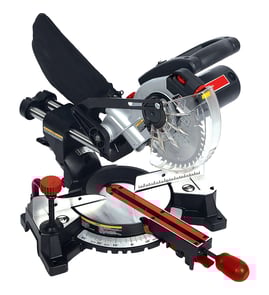
For most DIY and trim work, a 10-inch miter saw is the better all-around choice because it’s lighter, easier to handle, and blades cost less; a 12-inch saw is better when you regularly need more cut capacity for wide boards and tall molding. Craftsman model 137212030 is a 10-inch compound miter saw, so it uses 10-inch blades.
Quick comparison: 10-inch vs 12-inch
| Feature | 10-inch miter saw | 12-inch miter saw |
|---|---|---|
| Best fit for | Trim, baseboard, casing, light framing | Wide stock, tall crown molding, heavier-duty work |
| Portability | Lighter, easier to move | Heavier, bulkier |
| Blade cost | Typically lower | Typically higher |
| Cut capacity | Smaller | Larger |
| Typical feel | Easier to control for fine trim | More mass; can feel less nimble |
What to choose based on your work
- Choose 10-inch when you want portability, lower blade cost, and you cut mostly 1x and 2x material.
- Choose 12-inch when you frequently cut wider boards and want to avoid flipping the workpiece.
- Choose the size your saw is built for; using the correct blade diameter keeps guard coverage and cutting geometry correct.
What matters most for clean, accurate cuts (either size)
- Use the correct arbor size and blade type (fine-tooth for trim, fewer teeth for framing).
- Keep the fence and table square; re-check after transporting the saw.
- Support long stock so it stays flat on the table.
- Let the blade reach full speed before entering the cut.
- Replace worn items (blade, guard components, switch) when performance or safety is affected.
Why it matters
Blade diameter drives cut capacity, tool weight, and blade cost. For Craftsman 137212030, sticking with a 10-inch blade ensures proper clearance, safe guarding, and predictable cut accuracy.
Parts and model match tip
When you’re buying replacement parts, match them to the exact model number 137212030. If you don’t see what you need listed for this model, search by model number on Sears PartsDirect.
Last updated: February 2026
What brand makes the best mitre saw?
There is no single “best” miter saw brand for everyone; the best choice depends on how you use your saw (trim work vs. framing), how often you cut, and what accuracy features you need. For owners of the Craftsman 137212030 compound miter saw, we focus on keeping your saw cutting safely and accurately with the right maintenance and replacement parts from Sears PartsDirect.
How to choose the best miter saw brand for your needs
When you compare brands, we recommend prioritizing these factors over the name on the badge:
- Cut accuracy and repeatability: solid miter detents, minimal head play, stable fence
- Capacity: blade size and crosscut width for the material you actually cut
- Adjustment and calibration: easy-to-set bevel stops, miter scale readability
- Dust collection: effective port design and bag or vacuum compatibility
- Serviceability: common wear parts available (switch, brushes, guard components)
Quick brand comparison (what typically separates them)
These are the differences customers most often notice across major miter saw lines.
| What you care about | What to look for | Why it matters |
|---|---|---|
| Finish-trim precision | Tight detents, rigid rails, stable fence | Cleaner miters and fewer re-cuts |
| Jobsite durability | Robust base, smooth pivot points, proven motor design | Less downtime and fewer alignment issues |
| Value | Good calibration features at a lower price | Better results without overbuying |
| Long-term ownership | Parts availability and straightforward repairs | Keeps a saw useful for years |
What we recommend for Craftsman 137212030 owners
If you already own the Craftsman 137212030, the “best” upgrade is usually getting it back to peak performance:
- Square the fence and blade before judging cut quality
- Verify the miter detents hit true 0°, 45° left, and 45° right
- Check the bevel stop at 0° and common bevel angles
- Inspect the blade for dull teeth, pitch buildup, or wobble
- Confirm the guard returns freely and the trigger switch feels consistent
Why it matters
A well-calibrated compound miter saw can outperform a more expensive saw that is out of alignment. Accuracy, safety (blade guard and switch), and repeatable settings are what make a saw feel “best” in real use.
Last updated: February 2026
What should you never cut with a miter saw?
On a Craftsman 137212030 compound miter saw, never rip-cut lumber (with the grain), never cut ferrous metals (steel or iron) or masonry, and never cut any workpiece that is too small or too thick to be held firmly against the fence and table. Use the correct tool for those jobs.
Materials and cuts to avoid
- Rip cuts (with the grain): miter saws are built for crosscuts and miter/bevel crosscuts, not ripping.
- Ferrous metals (steel, iron): can grab the blade, throw sparks, and damage the saw.
- Masonry (brick, tile, concrete): abrasive dust and binding can overload the saw and reduce control.
- Tiny, unsupported pieces: short offcuts and narrow parts can shift, lift, or kick back.
- Warped or twisted wood (unclamped): rocking or pinching increases binding and kickback risk.
- Freehand cuts: cutting without the work tight to the fence and table is unsafe.
Use the saw within its cutting capacity
Your 137212030 is designed around a specific blade size and cutting envelope. The safest rule is simple: if the material cannot sit flat on the table and tight to the fence while still clearing the blade guard and allowing a controlled, complete stroke, do not cut it.
| If you need to do this | Use this instead | Why it matters |
|---|---|---|
| Rip a board | Table saw with rip fence, or circular saw with a straightedge | Prevents the board from twisting and climbing the blade |
| Cut steel/iron | Metal-cutting saw with the correct blade | Reduces tooth grab and loss of control |
| Cut brick/tile | Masonry saw or angle grinder with masonry wheel | Built for abrasive cutting and dust |
| Cut very small parts | Clamp plus a stop block, or cut from longer stock | Keeps hands away and prevents shifting |
Why it matters
Most miter saw injuries and damaged blades happen when the workpiece moves. Keeping the material fully supported, clamped when needed, and matched to the saw’s intended cut type prevents binding, kickback, and loss of control.
Parts and help
If you need replacement parts (guard pieces, switches, fences, hardware), match parts by the full model number 137212030 and shop through the model’s parts list or search by model on Sears PartsDirect.
Last updated: February 2026
Why is 31.6 on a miter saw?
On a Craftsman 137212030 compound miter saw, the 31.6° miter mark is there to simplify common crown molding corner cuts. It is a standard “compound” setting used with a matching bevel angle (often 33.9°) to produce tight inside and outside corner joints when crown is cut using typical spring angles.
What the 31.6° setting is used for
Most miter saws include common detents for framing and trim; 31.6° is a specialty detent aimed at crown molding.
- Helps create a 45° corner joint without doing trigonometry on the job
- Commonly paired with a 33.9° bevel for compound crown cuts
- Used when crown molding is cut using a compound setup (miter plus bevel)
- Reduces trial-and-error when you are repeating the same corner type
- Speeds up production work for trim carpentry and DIY projects
Typical angle pairings (quick reference)
These are the most common “built-in” crown molding compound settings you will see on many saws.
| Crown molding spring angle | Typical miter setting | Typical bevel setting |
|---|---|---|
| 38° spring angle (common) | 31.6° | 33.9° |
| 45° spring angle (less common) | 35.3° | 30.0° |
How to use it without confusion
The exact steps depend on whether you cut crown nested (against the fence) or laid flat (using compound angles). In general, the 31.6° mark is most helpful when you are using the compound method.
- Confirm the crown’s spring angle (often printed on the molding or packaging)
- Decide inside corner vs outside corner, then set the miter direction accordingly
- Set the bevel to the matching value (commonly 33.9° when using 31.6°)
- Make a test cut on scrap and check the corner fit before cutting finish pieces
- Keep the workpiece firmly supported; crown is tall and can shift during the cut
Why it matters
Crown molding corners are unforgiving; a small angle error creates visible gaps. The 31.6° detent exists to make a repeatable, accurate setup faster, especially when you are cutting multiple corners.
For parts and diagrams for your saw, start with the model-specific parts list and then search by model number on Sears PartsDirect.
Last updated: February 2026