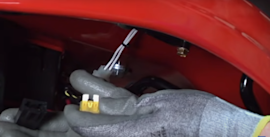
Installation guide
 Owner’s manual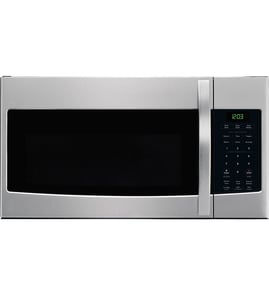




What is the life expectancy of a whirlpool microwave?
Most Whirlpool microwaves, including over-the-range models like WMH31017HS9, typically last 7 to 10 years with normal household use. Regular cleaning, good ventilation, and avoiding misuse (like running it empty) help the magnetron, control panel, and door switches last longer; see the WMH31017HS9 owner's manual for care and operating guidance.
Typical lifespan and what affects it
A microwave’s service life depends more on usage and environment than brand alone.
- Daily run time: frequent reheating and long cook cycles shorten life
- Heat and grease exposure: common with microwave/hood combos over ranges
- Power quality: repeated breaker trips or surges stress the electronic control
- Door use: slamming the door can damage interlock switches
- Cleaning habits: grease buildup restricts airflow and traps heat
Signs your microwave is nearing end of life
If you see these symptoms repeatedly, repair or replacement becomes more likely:
- Food heats slowly or unevenly (possible magnetron or high-voltage issue)
- Unit goes dead or resets (fuse, control, or power supply problem)
- Loud buzzing/humming beyond normal fan noise
- Door won’t close cleanly or won’t start (interlock or latch alignment)
- Burning smell or visible arcing (stop using until inspected)
Common repairs vs replacement (quick guide)
| Symptom | Common area involved | Typical next step |
|---|---|---|
| Completely dead | Fuse or control | Check power, then test/replace fuse or board |
| Runs but does not heat | High-voltage circuit | Professional diagnosis recommended |
| Won’t start when door closes | Door interlock system | Inspect/replace interlock parts |
| Poor venting or greasy airflow | Filters and venting | Clean/replace grease filter, confirm vent path |
Why it matters
A microwave/hood combo like WMH31017HS9 lives in a hot, greasy zone above the cooktop. Keeping airflow clear and components clean reduces heat stress, which is a major driver of early failures.
Last updated: February 2026
What is WMH31017HS9 used for?
The Whirlpool WMH31017HS9 is a microwave/hood combo used to heat and cook food in the microwave cavity while also venting smoke, steam, and cooking odors from the cooktop below through its built-in hood fan and venting system. See the WMH31017HS9 user guide for safe, intended use.
What you can do with this microwave/hood combo
We typically see WMH31017HS9 used for everyday kitchen tasks such as:
- Reheating leftovers and beverages
- Cooking microwave-safe foods (frozen meals, vegetables, popcorn)
- Defrosting by time or weight (depending on settings)
- Lighting the cooktop area with the cooktop lamp
- Venting the range area using the hood fan and damper/duct setup
How the “hood” side is used (venting basics)
Your installation determines how well the hood function performs. The installation instructions cover venting design specifications, damper installation, and mounting steps that affect airflow.
| Setup area | What it affects | What to check |
|---|---|---|
| Damper and duct path | Airflow and backdraft prevention | Damper opens freely, duct not crushed |
| Mounting height and alignment | Noise, vibration, fit | Microwave sits level on mounting plate |
| Upper cabinet prep | Power cord routing and clearance | Hole locations match template |
For the correct venting and mounting approach, use the WMH31017HS9 installation guide.
Safety and “intended use” reminders
Microwave/hood combos are designed for food heating and ventilation, not for non-food uses.
- Use only microwave-safe containers
- Do not heat sealed containers (they can burst)
- Do not operate with a damaged cord or plug
- Make sure the unit is properly grounded
- Install and locate the microwave only as described in the installation instructions
Why it matters
Using the WMH31017HS9 as intended helps prevent overheating, arcing, and ventilation problems; correct installation and venting also improves odor removal and protects cabinets from steam and grease.
Last updated: February 2026
What are common problems with whirlpool microwaves?
Common problems on Whirlpool microwaves like model WMH31017HS9 include a dead unit (no power), the microwave not heating, the turntable not turning, sparking or burning smells, loud humming, and vent or light issues. Many start with power, door, or settings checks before any part replacement.
Most common symptoms and what they usually point to
- Microwave will not operate at all: tripped breaker, blown household fuse, door not fully latched, or a blown internal fuse
- Runs but does not heat: high-voltage system issue (magnetron, diode, capacitor, transformer) or an overheat thermostat opening
- Starts then stops: door interlock problem, overheating, or control board fault
- Turntable not turning: turntable drive issue or a setting that disables turntable
- Sparking or arcing: metal in the cavity, damaged waveguide cover, or burn marks inside
- Buttons or display not responding: control lock, moisture/grease contamination, or electronic control failure
Quick checks we recommend first (safe, no tools)
- Confirm the outlet has power; reset the breaker if needed.
- Open and close the door firmly; a mis-latched door can prevent operation.
- Try heating 1 cup of water for 2 minutes on High; this is a standard heating check referenced in the WMH31017HS9 owner's manual.
- Check for obvious causes of arcing (foil, twist ties, metal-rimmed dishes).
- If the unit is completely dead, internal fuse or door switch issues are common.
Parts that commonly fail (and when to suspect them)
| Symptom | Common suspect parts | Notes |
|---|---|---|
| No power, no display | Internal fuse, door interlock switches | Often follows a door-slam or power surge |
| No heat but runs | Magnetron, high-voltage diode, capacitor | High-voltage circuit requires extra caution |
| Intermittent operation | Interlock assembly, control board | Door alignment and switch timing matter |
If you are diagnosing a dead microwave, the microwave fuse W11707984 and the interlock WPW10156813 are two model-matched parts that often relate to “won’t start” complaints.
Why it matters
Microwave/hood combos contain high-voltage components that can store a dangerous charge even when unplugged. Doing the basic checks first helps avoid unnecessary parts returns and points you to the right repair path.
Last updated: February 2026