Installation guide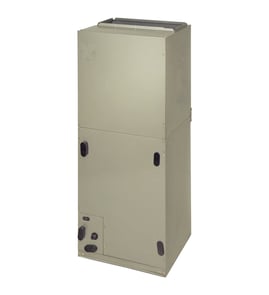

What is the life expectancy of a Mitsubishi mini split?
A Mitsubishi mini split system typically lasts 15 to 20 years. For a Mitsubishi split-type air conditioner like model MSZ-GE12NA, consistent filter cleaning, keeping the indoor coil and drain system clear, and correct installation practices are what most directly determine whether you land closer to 15 years or push past 20.
Typical lifespan at a glance
| System type | Typical life expectancy | What most affects it |
|---|---|---|
| Ductless mini split (Mitsubishi class) | 15 to 20 years | Maintenance, installation quality, runtime load |
| Conventional central AC (typical) | 12 to 15 years | Duct condition, outdoor exposure, maintenance |
What shortens mini split life fastest
- Dirty indoor air filters that restrict airflow and stress the blower
- Clogged condensate drain or a dirty drain pan that leads to water issues
- Low refrigerant from a leak (long runtimes, poor cooling, compressor strain)
- Outdoor unit blocked by debris (reduced heat transfer)
- Electrical issues such as loose connections or damaged wiring
Maintenance that helps you reach 20 years
We recommend these habits for Mitsubishi mini splits and air handlers:
- Clean or replace filters on a regular schedule (more often with pets or dust)
- Keep the indoor coil area clean and ensure the drain pan stays clear
- Confirm the condensate drain line flows freely and does not back up
- Keep the outdoor unit clear on all sides for proper airflow
- Have electrical connections inspected during routine service
Why it matters
Mini splits are efficient, but they run long cycles. Good airflow and proper drainage reduce strain on the blower motor, electronics, and compressor, which is what preserves long-term reliability.
For installation and safety reminders specific to this Mitsubishi setup (including power-disconnect and control box handling guidance), use the installation guide.
Last updated: February 2026
What are common Mitsubishi HVAC problems?
Common problems we see with Mitsubishi split-type systems like model MSZ-GE12NA include weak heating or cooling, water leaking from the indoor unit, unusual noises, remote or sensor issues, and intermittent shutdowns with error codes. Most of these trace back to airflow restrictions, condensate drainage problems, or electrical/control faults.
Most common symptoms and what they usually mean
- Reduced heating/cooling: dirty air filters, blocked indoor coil, or restricted airflow
- Water leaks or dripping: clogged condensate drain, improper pitch, or a full drain pan
- Strange noises (rattling, buzzing, clicking): loose panels, fan issues, or vibration
- Unit won’t start or stops randomly: power supply issues, communication faults, or control board problems
- Error codes: often tied to sensors (thermistors), wiring connections, or protection shutoffs
Quick checks you can do safely
Before any service work, turn off power at the disconnect/breaker.
- Confirm the air filter is clean and fully seated
- Make sure supply and return airflow are not blocked by furniture or dust buildup
- Check for water in the drain pan and signs of a slow drain (musty odor, intermittent dripping)
- Inspect for loose wiring plugs or rubbed-through wire insulation (do not tug on connectors)
- If an error code appears, write it down before resetting power
Drain and overflow protection (leak-related issues)
Condensate leaks are one of the most common indoor-unit complaints. Many Mitsubishi indoor units can be protected by a drain pan level sensor/control that shuts the unit down before overflow; when it activates, it can trigger a thermistor-related fault that must be corrected before restart. Follow the wiring and placement details in the installation guide.
| Symptom | Likely area | Typical fix |
|---|---|---|
| Dripping from indoor unit | Drain line/pan | Clear blockage, correct slope, clean pan |
| Musty smell | Standing water | Flush drain, clean pan and blower area |
| Shuts down with fault | Overflow protection or sensor | Fix drainage cause, then reset |
Why it matters
Airflow and drainage problems do more than reduce comfort; they can cause repeated shutdowns, water damage around the air handler, and extra strain on electrical components like sensors and control boards.
Last updated: February 2026
How to reset Mitsubishi Air Handler?
To reset your Mitsubishi MSZ-GE12NA split-type air conditioner indoor unit (air handler), power-cycle it: turn the system OFF, cut power at the breaker or disconnect for about 1 minute, then restore power and turn it back ON. This clears many temporary control faults.
Reset steps (safe, standard power reset)
- Set the unit to OFF using the remote or wall controller.
- Turn OFF the indoor unit circuit at the breaker or service disconnect.
- Wait 60 seconds (lets the control board fully discharge).
- Turn power back ON.
- Turn the unit ON and test cooling, heating, and fan operation.
If it still will not restart after a reset
Some Mitsubishi indoor units will not restart if a safety device or condensate overflow control has tripped. For example, a drain pan level sensor/control can shut the indoor unit down and trigger a thermistor-related fault that must be corrected before the unit will run again.
What to check next
- Condensate drain: confirm the drain line is not kinked, clogged, or frozen.
- Drain pan: check for standing water in the pan.
- Air filters and coil area: heavy dirt can contribute to icing and excess water.
- Wiring/connectors: look for loose plugs at the indoor control box (power OFF first).
- Battery-powered overflow control (if installed): replace the battery with the same type and correct polarity.
Quick guide: reset vs. fix
| Situation | What a reset does | What you do next |
|---|---|---|
| Minor glitch (fan or louvers acting odd) | Clears temporary logic errors | Power reset and retest |
| Unit shuts down with water present | May restart briefly, then stop again | Clear drain issue first |
| Thermistor-related fault after overflow control trips | Will not restart until fault is resolved | Fix condensate cause, then reset |
Why it matters
A reset is useful for clearing temporary control issues, but repeated shutdowns usually point to a real problem (most often condensate drainage, a sensor trip, or a wiring/connector issue). Fixing the cause prevents water damage and repeat lockouts.
For model-specific installation and service access details, use the installation guide.
Last updated: February 2026
What is the meaning of MSZ-GE12NA?
For Mitsubishi split-type air conditioner indoor units, MSZ-GE12NA is the model number that identifies the exact air handler (indoor unit) series and capacity; it is not a general acronym like “more sensitive zone.” Use this model number when matching parts, wiring, and installation details for your Mitsubishi unit.
What each part of the model number typically indicates
Mitsubishi model numbers are structured so the letters identify the product family and the numbers identify the size.
- MSZ: Indoor unit (wall-mounted style) family designation used on many Mr. Slim systems
- GE: Series identifier (a specific design generation/feature set)
- 12: Capacity class (commonly the 12,000 BTU class)
- NA: Region/version code (commonly North America)
Why the exact model number matters for parts and wiring
Even within the same brand and series, connectors, thermistors, and control-board plugs can differ. The installation documentation for related Mitsubishi indoor units shows model-family specific connector points (for example, MSZ/Y harness connections to thermistor plugs such as CN111/CN112). Checking the correct document for MSZ-GE12NA prevents ordering the wrong electrical component or miswiring a sensor.
Quick reference table
| Model string | What it’s used for | Example of what it affects |
|---|---|---|
| MSZ | Indoor unit family | Indoor control layout and harness style |
| GE | Series | Panel design, board revisions |
| 12 | Size class | Capacity matching and performance |
| NA | Version/region | Documentation and approved accessories |
Where to confirm the exact interpretation for your unit
Use the installation documentation for your model to confirm series details, accessory compatibility, and wiring references.
- Check the model tag on the indoor unit to confirm MSZ-GE12NA exactly
- Use the installation guide for model-specific setup and accessory notes
- If you are troubleshooting wiring or sensors, match connector IDs and harnesses before reconnecting power
Why it matters
Using the correct model number is the fastest way to get the right Mitsubishi air handler parts and avoid installation issues like incorrect thermistor connections or accessory misapplication.
Last updated: February 2026