
What is the most common problem with wine coolers?
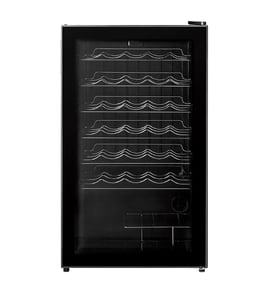
The most common problem we see with wine coolers like the GE ZDW24YA is inconsistent temperature (too warm, too cold, or wide swings). It’s usually caused by restricted airflow, dirty condenser areas, a weak door seal or frequent door opening, or a failing cooling-air fan.
Quick checks that fix many “not cooling right” complaints
- Confirm the unit has breathing room; blocked vents make temperatures drift.
- Keep the door closed as much as possible; frequent openings cause big swings.
- Make sure bottles are not packed tight against interior air passages.
- Verify the door closes squarely and stays shut; a misaligned door can leak warm air.
- Listen for the fan; if you do not hear airflow, inspect the fan area and shroud.
Common symptoms and the most likely causes
| Symptom | Most likely cause | What to do first |
|---|---|---|
| Runs a lot, still warm | Poor ventilation, dirty condenser area, weak airflow | Improve clearance, clean dust, check fan airflow |
| Temperature swings | Door openings, overloading, airflow blocked | Reduce loading, improve circulation |
| Water inside or under unit | Drain path issue or pan problem | Check drain path and pan placement |
| Light stays on or won’t turn on | Door switch issue | Test/replace switch |
Parts that often relate to these problems on ZDW24YA
If troubleshooting points to a failed component, these model-matched parts are commonly involved:
- Light switch WR23X37285 (door switch can affect light operation and sometimes door-closed sensing)
- Drip pan WR17X3503 (helps manage normal moisture and defrost water)
- Fan shroud WR17X3502 (damaged or loose shrouds can reduce airflow and cooling consistency)
Why it matters
Wine and beverages store best when the cooler holds a steady set temperature. Airflow problems and door sealing issues force longer run times, create hot spots, and can shorten the life of cooling components.
Last updated: February 2026
What is the best 24 inch beverage fridge?
The “best” 24-inch beverage fridge depends on your goal: built-in fit, quiet operation, stable temperatures, and easy-to-get replacement parts. If you already own a GE ZDW24YA wine and beverage cooler, the best choice is keeping it running with the correct GE parts for your exact model, such as the power cord WR23X10300 or light switch WR23X37285.
What to look for in a great 24-inch beverage fridge
We recommend prioritizing these features because they directly affect performance and long-term ownership:
- True 24-inch built-in compatibility: front-venting design and correct clearance for cabinetry
- Temperature stability: fewer swings means better beverage quality
- Low vibration and noise: especially important for wine storage
- Door seal quality and hinge alignment: prevents warm air leaks and condensation
- Serviceability: parts availability for common wear items (switches, cords, racks)
Quick comparison: how to choose the “best” for your home
| If you care most about... | Choose a unit that emphasizes... | Why it matters |
|---|---|---|
| Built-in look | Front ventilation, flush door design | Prevents overheating in cabinets |
| Coldest temps for cans | Strong cooling system, good airflow | Faster pull-down and recovery |
| Wine-friendly storage | Low vibration, stable mid-range temps | Protects flavor and sediment |
| Easy ownership | Replaceable parts and simple access | Lower repair downtime |
If you already have a GE ZDW24YA
For this model, “best” often means fixing the specific symptom instead of replacing the whole cooler. Common, straightforward fixes include:
- Interior light not working: check the door switch and wiring
- Unit dead or intermittent power: inspect the cord and outlet connection
- Poor cooling after a sealed-system repair: correct refrigerant-side components matter
Helpful model-matched parts we stock include:
Why it matters
A 24-inch beverage fridge is usually a built-in investment. Choosing for fit, stability, and parts support prevents temperature problems, noise complaints, and expensive replacements later.
Last updated: February 2026
What is the difference between a wine cooler and a beverage cooler?
A wine cooler is built to protect wine flavor and cork condition with steadier, slightly warmer temperature control and bottle-friendly storage, while a beverage cooler is built to chill mixed drinks colder and faster with flexible shelving for cans and bottles. Your GE ZDW24YA is a wine and beverage cooler, so it is designed to do both.
Key differences that matter day to day
- Temperature range and stability: Wine storage typically targets about 45 to 65°F with tight stability; beverage storage often runs colder (about 35 to 50°F) for quick chilling.
- Humidity and vibration control: Wine coolers commonly prioritize low vibration and more stable humidity to protect corks and aging.
- Shelving design: Wine coolers often use horizontal racks sized for 750 ml bottles; beverage coolers use adjustable shelves for cans, tall bottles, and mixers.
- Door and light considerations: Wine-focused units often emphasize reduced light exposure (especially for long storage).
Which one should you choose?
Use this quick guide:
| If you mostly store... | Best fit | Why |
|---|---|---|
| Reds and whites for weeks to months | Wine cooler | Stable temps, bottle racks, gentler environment |
| Soda, beer, sparkling water, mixers | Beverage cooler | Colder temps, flexible shelf spacing |
| A mix of wine and drinks | Wine and beverage cooler (like ZDW24YA) | Balanced design for both types |
Why it matters
Wine is sensitive to temperature swings, vibration, and light; those factors can change taste over time. Beverages like soda and beer mainly benefit from colder temperatures and convenient access, so shelf flexibility and fast chilling matter more.
Parts that support cooling and everyday use
If your unit is not cooling consistently or the interior light behavior is off, these model-matched parts are commonly involved:
- Refrigerator filter dryer WR86X25269 (sealed-system component tied to cooling performance)
- Light switch WR23X37285 (controls interior light when the door opens and closes)
- Drip pan WR17X3503 (manages condensation and defrost moisture)
Last updated: February 2026
Can wine coolers be repaired?
Yes. GE wine and beverage coolers like model ZDW24YA are repairable in many common failure cases (no power, door not closing, interior light issues, fan noise, minor leaks). Sealed-system and compressor problems can be repaired, but they are usually the most expensive and often determine whether repair is worth it.
What we recommend checking first (most common, most repairable)
- Power and display dead: verify outlet power, then inspect the cord and connections.
- Light does not turn on or stays on: check the door switch.
- Warm cabinet but unit runs: check for blocked airflow and listen for the evaporator/condenser fan.
- Water inside or under unit: check the drain path and drip pan.
- Rattling or vibration: check shrouds, fasteners, and that the unit is level.
Parts that commonly fix repairable symptoms on ZDW24YA
If your symptom matches, these are examples of model-matched parts we stock:
| Symptom | Likely area | Example part for ZDW24YA |
|---|---|---|
| No power, intermittent power | Electrical supply | Power cord WR23X10300 |
| Light issues when door opens/closes | Door switch circuit | Light switch WR23X37285 |
| Water collecting or dripping | Drain/evaporation | Drip pan WR17X3503 |
| Poor cooling after a refrigerant repair | Sealed system service | Refrigerator filter dryer WR86X25269 |
When repair may not be the best value
Sealed-system failures (compressor not starting, refrigerant leak, restriction) require specialized tools and EPA-certified handling. If the cooler is not cooling and you hear repeated clicking, or the compressor runs constantly with little temperature drop, a sealed-system diagnosis is the next step.
Why it matters
A quick electrical or airflow fix can restore proper temperature control and protect wine and beverages from temperature swings. Identifying whether the issue is a simple switch/cord problem versus a sealed-system problem prevents wasted parts and repeat breakdowns.
Last updated: February 2026