




Are all GE over the range microwaves the same size?
No. GE over-the-range microwaves are not all the same size. Many are built to fit a standard 30-inch cabinet opening (so the width is often similar), but height, depth, venting layout, and mounting points can vary, so you still need to match the cutout and installation requirements.
What is usually “the same” vs. what changes
Most over-the-range microwaves are designed around common cabinet widths, but the other dimensions and fit details are where replacements go wrong.
- Often similar: overall width for 30-inch cabinet openings
- Commonly different: height and depth (front projection)
- Can be different: top vent and rear vent locations, damper style, and exhaust direction
- Can be different: mounting plate hole pattern and upper cabinet bolt locations
- Can be different: door swing clearance and handle depth
Quick fit checklist before you buy
Use this checklist to confirm a replacement will install cleanly and vent correctly.
| What to compare | Why it matters | What to do |
|---|---|---|
| Cabinet opening width | Prevents side gaps and mounting issues | Measure the opening and compare to the spec sheet |
| Height and depth | Avoids hitting cabinets and sticking out too far | Measure from wall to cabinet face and available height |
| Venting type | Ensures the fan exhaust matches your setup | Confirm recirculating vs. outside venting (top or rear) |
| Mounting points | Prevents re-drilling and misalignment | Compare mounting template details |
Why it matters (especially for your model page)
This page is for a GE built-in microwave model PES7227SL5SS, not an over-the-range unit. Built-in and over-the-range microwaves use different mounting methods and trim or cabinet cutouts, so sizing and installation requirements are not interchangeable.
Helpful related guidance
If you are troubleshooting an existing microwave while planning a replacement, use why is my microwave not heating to narrow down whether the issue is a simple power or component problem.
Last updated: January 2026
What replaced PES7227SL5SS?
GE typically replaces a built-in microwave model like PES7227SL5SS with a newer model that matches the same cabinet cutout and trim-kit requirements; the right “replacement” is the one that fits your opening and power setup without cabinet changes. To confirm fit, we match your cutout dimensions and compare them to the new model’s installation specs.
How to choose the correct replacement
When you replace a built-in microwave, the cabinet cutout and mounting method matter more than the exterior look.
- Measure the cabinet cutout height, width, and depth (in inches).
- Confirm the electrical supply (most built-ins use a standard 120V outlet, but verify).
- Check whether your unit uses a trim kit or built-in frame and whether it can be reused.
- Compare door swing clearance and venting clearances.
- If your current unit has a turntable, confirm the new unit supports the same cooking style.
Quick fit checklist (what to compare)
Use this as a simple side-by-side checklist before ordering a replacement.
| Item to match | Why it matters | What to do |
|---|---|---|
| Cabinet cutout (H x W x D) | Prevents gaps and cabinet rework | Measure opening and compare to replacement specs |
| Mounting/trim kit style | Ensures the microwave can be secured properly | Verify trim kit compatibility or plan to replace it |
| Electrical requirements | Avoids nuisance tripping or no-power issues | Confirm outlet type and circuit rating |
| Control location and door clearance | Prevents usability problems | Check reach, swing, and nearby cabinet interference |
If you are replacing due to a turntable issue
If the reason you are shopping is a noisy, stuck, or broken turntable system, replacing the failed part is often faster and cheaper than replacing the whole microwave.
Common turntable-related parts for GE PES7227SL5SS include:
Why it matters
A built-in microwave replacement that does not match the cutout and mounting style can turn into a cabinet modification project. Verifying fit first helps you avoid returns, delays, and installation surprises.
Last updated: January 2026
What are common problems with GE Profile microwaves?
Common problems in GE Profile microwaves (including the GE PES7227SL5SS built-in microwave) are no heat, intermittent heating, sparking/arcing, a dead display or unresponsive keypad, and door-latch or turntable issues. Many fixes start with basic power checks and inspecting the door interlock system.
Most common symptoms and what they usually point to
- Microwave runs but does not heat: often a high-voltage component issue (magnetron, diode, capacitor) or an interlock problem.
- Microwave is completely dead: commonly a blown fuse, failed door switch, or power supply/control issue.
- Sparking/arcing inside the cavity: frequently caused by food splatter, damaged waveguide cover, or using metal/foil.
- Buttons do not respond or display is erratic: control panel or electronic control board problems.
- Turntable not rotating: worn coupler, roller ring problems, or tray not seated correctly.
Quick checks we recommend before replacing parts
- Reset power: unplug for 2 minutes (or switch the breaker off and back on).
- Confirm the door is closing firmly: a misaligned latch can prevent heating.
- Check for arcing causes: remove any metal, clean splatter, inspect for burned spots.
- Verify turntable seating: make sure the tray sits flat on the roller ring and engages the coupler.
- Test with a cup of water: heat 1 cup for 60 seconds to confirm a true “no heat” condition.
Parts that commonly relate to turntable complaints on this model
If your issue is turntable-related on GE PES7227SL5SS, these are the most common wear items:
| Symptom | Common related part | What it does |
|---|---|---|
| Tray wobbles, is chipped, or won’t sit flat | Microwave glass turntable tray WB48X29704 | Holds food and rotates for even heating |
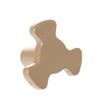
| Tray does not rotate but motor hums | Tt couper WB02X29702 | Couples the turntable motor shaft to the tray |
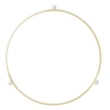
| Tray drags, squeaks, or binds | Rotating ring asm WB31X29703 | Supports the tray and helps it roll smoothly |
Why it matters
A microwave that is not heating or is sparking can indicate a safety-related electrical or cavity issue. Addressing the root cause early helps prevent repeat failures and protects the control system, door switches, and cooking cavity.
Helpful DIY guidance
- Use why is my microwave not heating when the unit runs but food stays cold.
- Use how to replace a microwave fuse if the microwave is dead or goes dead when starting.
- Use never do these things with a microwave to avoid common causes of arcing and cavity damage.
Last updated: January 2026
What is the average lifespan of a GE microwave?
A GE microwave typically lasts 8 to 10 years with normal household use. For model PES7227SL5SS, lifespan depends most on how often you run it, keeping airflow clear, and preventing arcing or turntable drag that can strain internal components.
Typical lifespan ranges
- Light use (reheating, short cycles): about 9 to 10 years
- Moderate daily use: about 8 to 10 years
- Heavy use (multiple long cycles daily): about 6 to 8 years
- Poor ventilation or frequent overheating: shortens magnetron and control life
- Power surges/outages: can shorten fuse and electronic control life
Care steps that extend service life
- Keep the cavity, ceiling, and door area clean to prevent carbon buildup and arcing.
- Never run the microwave empty; it overheats key components.
- Use microwave-safe cookware; avoid foil and metal trim.
- Make sure the turntable system rotates smoothly; replace worn pieces when the tray drags.
- Keep vents clear and avoid blocking airflow around the unit.
Symptoms: repairable vs. replacement signals
| Symptom | Often repairable? | Common cause |
|---|---|---|
| Runs but does not heat | Sometimes | High-voltage system or door interlocks |
| No power or dead display | Often | Fuse, wiring, or control issue |
| Grinding or thumping while rotating | Often | Turntable tray or ring wear |
| Sparks or burn marks inside | Sometimes | Food splatter, damaged interior surface |
Why it matters
Knowing the typical 8 to 10 year lifespan helps you decide whether to repair or replace. If the problem is limited to the turntable system, replacing a wear item like the microwave glass turntable tray WB48X29704 can restore smooth operation and reduce strain on the drive components.
Last updated: January 2026


