


How much does a GM096K16B furnace cost?
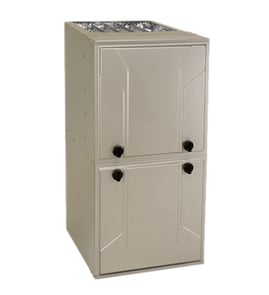
A Thermal Zone GM096K16B gas furnace’s total cost depends on whether you mean the furnace unit only or a full installed replacement. Most homeowners see the biggest price swing from installation labor, venting changes, and any needed electrical or gas-line work.
What you are really paying for
Furnace pricing usually breaks into two buckets:
- Equipment (furnace unit): the cabinet, blower, gas valve, control board, and heat exchanger
- Installation: removal of the old furnace, setting the new unit, venting, gas hookup, electrical, condensate drain, startup, and safety checks
Typical cost ranges (what most customers see)
Because we do not have model-specific pricing for the GM096K16B itself, these common ranges help set expectations for a 90%+ efficiency gas furnace replacement.
| Cost item | Typical range | What changes it most |
|---|---|---|
| Furnace unit (equipment only) | $1,500 to $3,500 | size/BTU, brand tier, efficiency level |
| Installed total (equipment + labor) | $4,000 to $9,000 | venting/condensate work, permits, duct changes, region |
| Major repair vs replace decision point | $500 to $2,000 | whether the issue is a motor, board, or ignition component |
Quick ways to narrow your estimate
Use these checks to get closer to a real number:
- Confirm the exact model number on the rating plate: GM096K16B
- Note whether your current setup is upflow, downflow, or horizontal (installation complexity)
- Check if you have PVC venting and a condensate drain already in place (common on high-efficiency furnaces)
- Identify if you are replacing just a failed component (for example, a weak blower motor run capacitor)
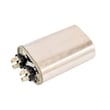
- Price out common service parts first; for this model we list a capacitor 12908
Why it matters
If the furnace is not starting, short-cycling, or the blower is humming, the fix can be a relatively small electrical part. Confirming the failure before replacing the whole furnace can save significant cost and downtime.
Last updated: February 2026
Where is the reset button on the thermal zone furnace?
On the Thermal Zone GM096K16B gas furnace, the “reset” is typically a small red or yellow safety button on a limit switch inside the cabinet; you’ll usually find it near the burner area (high-limit) or in the blower compartment (rollout/aux limit). Some GM096K16B units do not have a single, obvious reset button and instead use an auto-reset limit.
Where to look on the GM096K16B
Turn off power at the furnace switch or breaker first, then remove the access panel and check these common locations:
- Burner compartment: near the burners and heat exchanger area (high-limit switch)
- Near the flue/vestibule area: rollout switch locations vary by design
- Blower compartment: on or near the blower housing or supply-air plenum area
- Control board area: some furnaces use a fault code light instead of a manual reset
How to reset it safely
If you find a button-style reset, press it once firmly. If it trips again, stop and correct the cause.
- Shut off power to the furnace
- Let the furnace cool 10 to 15 minutes
- Press the reset button (if present) one time
- Restore power and call for heat
- Watch for repeated shutdowns or unusual blower behavior
What a tripped reset usually means (and why it matters)
A tripped limit or rollout switch means the furnace detected unsafe heat or flame conditions. Resetting without fixing the root cause can lead to repeated lockouts and overheating.
| What you notice | Common cause | What to check first |
|---|---|---|
| Blower runs but no heat | Overheat limit opened | Dirty filter, blocked vents, closed registers |
| Furnace starts then shuts down quickly | Flame rollout/overheat | Burner area obstruction, venting issue, airflow restriction |
| Humming, hard starts, weak blower | Motor/capacitor issue | Test capacitor and motor amperage |
Parts that can be involved
If the blower motor struggles to start or run, the run capacitor is a common suspect. For this model, we list the capacitor 12908.
For electrical checks like verifying power, continuity, and capacitor testing, use our guide: how to use a multimeter to test electrical parts video.
Last updated: February 2026
What is the average lifespan of GM096K16B?
A Thermal Zone gas furnace like model GM096K16B typically lasts 15 to 20 years. Lifespan depends most on annual maintenance, correct airflow (clean filter and open registers), and avoiding repeated overheating or short-cycling.
Typical lifespan and what affects it
- Maintenance history: yearly inspection and cleaning extends life.
- Airflow: a dirty filter or blocked returns overheats the heat exchanger.
- Duct condition: leaks and restrictions increase run time and wear.
- Electrical health: weak capacitors and loose wiring stress the blower motor.
- Operating environment: dust, humidity, and corrosion shorten component life.
Quick checklist to help your furnace reach 20 years
- Replace or clean the air filter on schedule (often every 1 to 3 months).
- Keep supply and return vents open and unobstructed.
- Confirm the thermostat is set up correctly (proper cycle rate and fan settings).
- Have a technician check combustion, venting, and safety controls annually.
- Address unusual noises, burning smells, or frequent cycling right away.
Common age-related failures (what you may see first)
| Furnace age | Common issues | What it usually means |
|---|---|---|
| 0 to 7 years | Minor electrical or sensor issues | Tune-up or small part replacement |
| 8 to 15 years | Blower wear, ignition/control problems | Higher repair frequency |
| 15 to 20 years | Major component wear | Repair vs. replace decision time |
Why it matters
Knowing the 15 to 20 year average helps you plan: if your GM096K16B is near that range and repairs are becoming frequent, it is smart to price parts and service before a no-heat situation.
If you are troubleshooting blower performance, a weak run capacitor is a common, fixable cause; see the capacitor 12908.
Last updated: March 2026