Owner’s manual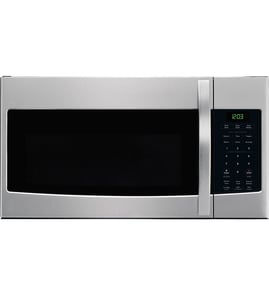




How do I reset my Samsung microwave SE error?
On Samsung microwave/hood combo model ME11A7510DG, an “SE” message is typically caused by the touch panel sensing a stuck or continuously pressed key. We reset it by powering the microwave off briefly, then cleaning and drying the control panel before restoring power; if it returns, service is needed.
Reset steps (safe, quick)
- Press STOP/CLEAR once.
- Unplug the microwave (or switch off the breaker) for at least 30 seconds.
- Plug it back in and set the clock again.
- Wipe the keypad and surrounding trim with a soft, dry cloth; remove grease and moisture.
- Let the control panel air-dry for a few minutes, then test a few keys.
For model-specific guidance and safety notes, follow the ME11A7510DG user manual.
Why the error comes back
Moisture, cleaner residue, or grease can create false “touch” signals on the membrane keypad. A failing touch panel or control board can also trigger the same symptom.
Quick checks
- Make sure the panel is dry (especially after steaming on the cooktop).
- Avoid spraying cleaner directly on the keypad.
- Check that no object is pressing the keypad (cabinet trim, tape, etc.).
- If the display shows other information codes, follow the manual’s code table.
What to do if it will not clear
Because microwaves contain dangerous high voltage components, we recommend not opening the cabinet for diagnosis. If the error returns immediately after the reset and cleaning, schedule service.
| What you see | What it usually means | What we recommend |
|---|---|---|
| SE returns after reset | Keypad is still sensing a pressed key | Dry/clean panel again, then retest |
| SE returns repeatedly | Touch panel or control issue | Arrange professional service |
| Buttons do not respond normally | Input circuit problem | Stop using and service the unit |
Why it matters
A stuck-key condition can prevent normal operation and may cause the microwave to beep, run incorrectly, or ignore commands. Resetting and drying the control area often fixes false signals quickly.
Last updated: January 2026
How to use Samsung microwave grill function?
On the Samsung ME11A7510DG microwave/hood combo, the grill-style cooking feature is typically used by placing food on the included rack, selecting the Microwave+Grill mode, setting time, then starting. For exact button names and rack placement, follow the steps in the ME11A7510DG user manual.
Steps to use Microwave+Grill
- Open the door and place food on the grill rack (not directly on the glass tray unless the recipe says to).
- Close the door firmly.
- Press Microwave+Grill.
- Use the arrow keys or number pad (depending on your control panel) to set the cooking time.
- Press START.
- Use +30 sec to add time while cooking (when available).
Settings and limits to know
Most Samsung microwave grill modes are time-based and may limit maximum run time.
| Item | What to expect | Why it matters |
|---|---|---|
| Max cook time | Often up to about 60 minutes | Prevents overheating and overcooking |
| Rack use | Commonly required for grill/browning | Improves airflow and browning |
| Power stages | Some models allow 2-stage cooking | Helps combine grill and microwave heating |
Safety and best practices
- Keep the door seals and latch area clean so the door closes fully.
- Use microwave-safe cookware approved for grill use; avoid metal unless the manual specifically allows it with the rack.
- Stop cooking if you notice burning smell, smoke, or unusual noises; unplug the unit and arrange service.
- Do not remove the outer cover or attempt internal repairs; microwaves contain dangerous high voltage.
Why it matters
Using the correct rack position and mode settings helps the ME11A7510DG heat evenly, reduces arcing risk, and prevents nuisance shutdowns from overheating protection.
Last updated: January 2026
What is the lifespan of a Samsung microwave?
Most Samsung microwaves, including the Samsung ME11A7510DG microwave/hood combo, typically last 7 to 10 years with normal household use. Heavy daily use, poor ventilation, and skipped cleaning can shorten lifespan; consistent cleaning and proper use help the magnetron and door system last longer.
Typical lifespan and what affects it
A microwave’s life is mostly driven by heat stress, power quality, and how hard the door and controls are used.
- Usage frequency: multiple long cook cycles per day wear components faster
- Ventilation and grease buildup: clogged filters trap heat and strain the vent fan
- Power issues: surges and voltage fluctuations can damage electrical components
- Overheating/overcooking: repeated overheating shortens magnetron life
- Door wear: slamming the door can damage interlocks and latches
Signs your microwave is nearing end of life
If you see these symptoms, it is time to troubleshoot and price out repair versus replacement.
- Food takes much longer to heat (weak heating performance)
- Burning smell, smoke, or unusual noises (stop using and unplug)
- Turntable stops rotating or intermittently stalls
- Fan gets loud or airflow drops noticeably
- Door won’t close cleanly or the unit won’t start consistently
Repair vs. replace: a quick guide
Use age plus symptom severity to decide your next step.
| Microwave age | Common approach | Why |
|---|---|---|
| 0 to 5 years | Repair is usually worthwhile | More remaining service life |
| 6 to 10 years | Compare repair cost to replacement | Major parts can be expensive |
| 10+ years | Replace in most cases | Multiple components often near wear-out |
Why it matters
A microwave/hood combo works in a hot, greasy environment above the range. Keeping airflow strong and the cavity clean reduces heat buildup, which helps protect high-voltage components and improves long-term reliability. For model-specific care and safety steps, follow the ME11A7510DG user manual.
Last updated: January 2026