Error Codes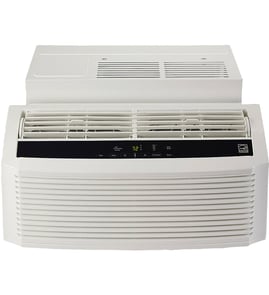




How big a room will a 10,000 BTU AC cool?
A 10,000 BTU room air conditioner like GE model APLH10WWF1 typically cools about 400 to 450 square feet in average conditions. Real coverage depends on sun exposure, insulation, ceiling height, and how often doors open.
Quick sizing guide (10,000 BTU)
Use these common room-size targets when choosing capacity:
- 350 to 450 sq ft: typical “good fit” range
- 300 to 350 sq ft: cools faster, cycles less under heavy heat load
- 450 to 550 sq ft: may struggle on hot days or in direct sun
- High ceilings (over 8 ft): plan for more BTUs
- Kitchens or very sunny rooms: plan for more BTUs
What changes the real cooling area
These factors can make the same 10,000 BTU unit feel stronger or weaker:
- Direct sunlight through windows (west-facing rooms run hotter)
- Poor insulation or air leaks around windows and doors
- Ceiling height (more air volume to cool)
- Heat sources (cooking, computers, TVs)
- Occupancy (more people adds more heat)
Room size vs. conditions (simple comparison)
| Room conditions | Expected coverage for 10,000 BTU |
|---|---|
| Shaded, well-insulated, 8 ft ceiling | 425 to 450 sq ft |
| Average home conditions | 400 to 450 sq ft |
| Sunny, leaky, or high-heat room | 300 to 400 sq ft |
Why it matters
Right-sizing prevents common comfort problems. An undersized AC runs constantly and still feels warm; an oversized AC can short-cycle, leaving the room clammy and less comfortable.
Related help for GE room air conditioners
If your unit is running but not cooling as expected, we use error codes and symptoms to narrow it down quickly; start with GE error codes.
Last updated: January 2026
What are the most common issues with APLH10WWF1?
The most common issues we see with the GE APLH10WWF1 room air conditioner are weak cooling from restricted airflow, water leaking from a full or mismanaged drain system, and control problems caused by remote or sensor/setting issues. Many fixes start with basic cleaning and correct setup.
Most common symptoms and what usually causes them
- Not cooling well: dirty or clogged air filter, blocked intake/exhaust, incorrect mode or temperature setting
- Water leaking or not draining: drain plug not seated, unit not level, drain pan filling during high humidity
- Won’t turn on or shuts off: power/reset issue, internal protection delay, loose connection
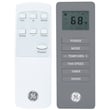
- Remote not working: weak batteries, blocked signal path, remote failure (replace with portable ac remote control RAP03)
- Noisy or hard to roll: worn or broken casters (replace with caster WJ01X22291)
Quick checks we recommend first
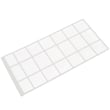
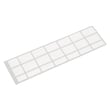
- Clean the filters and reinstall them fully; this model uses filter styles like air filter WJ85X24097 and air filter WJ85X24098.
- Confirm airflow: keep the exhaust hose straight, minimize kinks, and keep the rear intake clear.
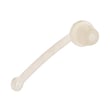
- Check drainage: make sure the drain plug is installed and snug (use drain plug WJ01X26226 if yours is missing or damaged).
- Verify settings: use COOL mode, set temperature lower than room temp, and use a higher fan speed for faster pull-down.
- Power reset: unplug for 5 minutes, then restore power to clear minor control glitches.
Symptom-to-fix guide
| Symptom | Most likely cause | Best first action |
|---|---|---|
| Weak cooling | Dirty filter or blocked airflow | Clean/replace filter; clear intake/exhaust |
| Water on floor | Drain issue or unit not level | Reseat drain plug; level unit |
| No response to remote | Remote/batteries | Replace batteries; replace remote |
| Hard to move | Damaged caster | Replace caster |
Why it matters
Portable AC performance depends on airflow and proper condensate management. A clogged filter or missing drain plug can reduce cooling, increase noise, and lead to water leaks.
Last updated: March 2026
What is the average lifespan of APLH10WWF1?
A GE room air conditioner like model APLH10WWF1 typically lasts 10 years with normal seasonal use and basic maintenance. Keeping airflow unrestricted and the filter clean is the biggest factor in reaching that lifespan.
What affects lifespan the most
- Airflow and filtration: a clogged filter makes the compressor work harder
- Coil cleanliness: dirty evaporator or condenser coils reduce cooling and raise run time
- Drainage and humidity: poor draining can lead to internal moisture and corrosion
- Operating conditions: extreme heat, long run times, and poor ventilation shorten life
- Power quality: frequent outages or low voltage can stress electronics and the compressor
Maintenance schedule we recommend
| Task | How often | What to do |
|---|---|---|
| Clean or replace air filter | Every 2 to 4 weeks in heavy use | Wash, dry fully, reinstall; replace if damaged |
| Check drain and pan | Monthly in humid weather | Make sure water can drain; clear debris |
| Clean coils (light cleaning) | Seasonal | Vacuum dust; keep vents unobstructed |
| Inspect cord and plug | Seasonal | Look for heat damage, looseness, or cuts |
Parts that commonly extend service life
If cooling is weak or airflow is reduced, starting with the filter is the fastest win. For APLH10WWF1, we stock model-matched filters such as the air filter WJ85X24097 and air filter WJ85X24098.
Why it matters
A portable or room AC that runs with restricted airflow can overheat and short-cycle; that increases energy use and accelerates wear on the compressor, fan motor, and control board.
Last updated: March 2026